
Can Clay Insulation Brick Reduce Energy Costs
Clay insulation bricks, produced and installed by Zhengzhou Caihua Kiln Masonry Installation Co., Ltd (CH REFRACTORIES), play a vital role in enhancing energy efficiency across a range of high-temperature industries such as metallurgy, ceramics, glass, and petrochemicals. These bricks are engineered with high porosity and low thermal conductivity, resulting in excellent insulation properties that minimize heat loss from kilns and furnaces. By significantly reducing the amount of energy required to maintain operational temperatures and shortening heat-up times, clay insulation bricks can lead to energy cost savings of 10% to 40%, depending on the application.
CH REFRACTORIES’ expertise in kiln masonry ensures proper installation, which is crucial for maximizing the bricks’ performance and lifespan. The company also leverages modern manufacturing techniques and integrates its insulation solutions with smart energy management systems, further elevating their contribution to fuel savings, lower emissions, and environmental sustainability. Numerous real-world case studies attest to the substantial economic and operational benefits of upgrading to advanced clay insulation brick systems from CH REFRACTORIES, making them an essential component for any facility aiming to reduce energy costs and meet future sustainability targets.
Understanding Clay Insulation Bricks
Energy efficiency in industrial operations is a primary concern for businesses worldwide, particularly those in industries that require high-temperature processing, such as metallurgy, ceramics, glass, and petrochemicals. At the center of modern thermal management solutions lies the humble clay Insulation Brick, an advanced refractory product engineered to reduce energy consumption. Zhengzhou Caihua Kiln Masonry Installation Co., Ltd, commonly known as CH REFRACTORIES, is a leading innovator in the production and installation of clay insulation bricks for industrial applications.
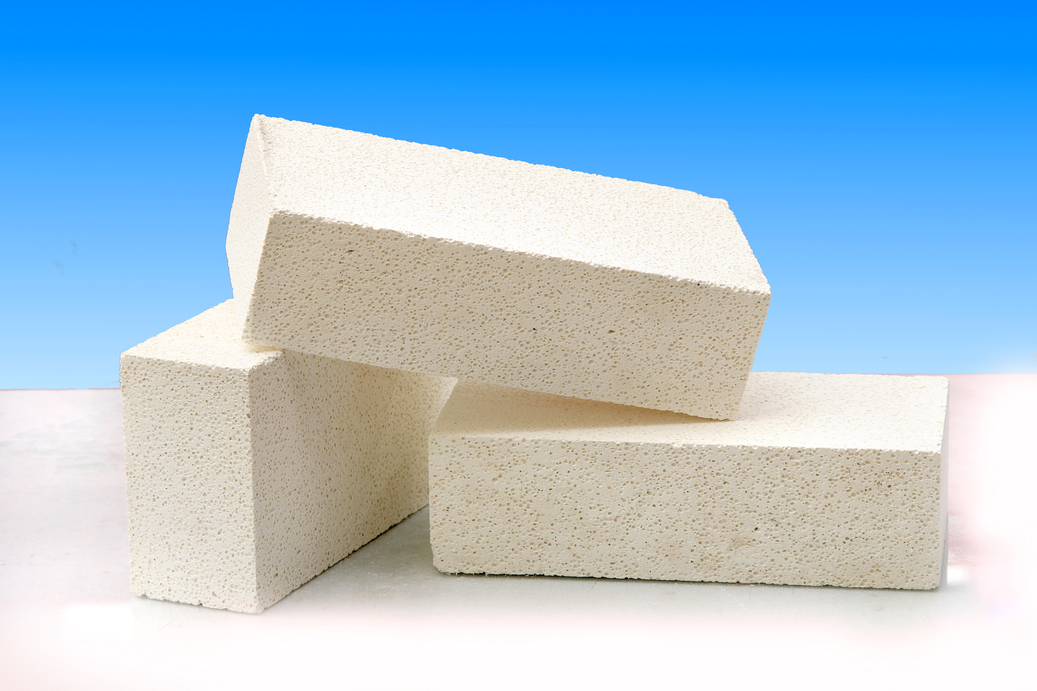
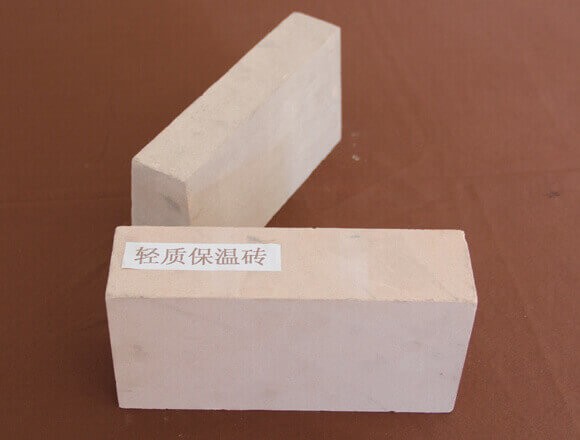
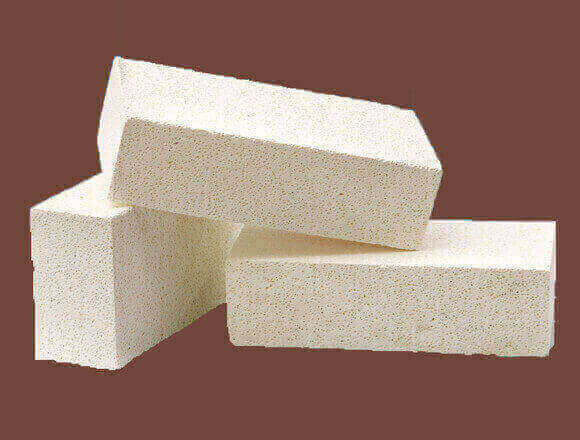
Clay insulation bricks are specially designed lightweight refractory materials known for their low thermal conductivity and high porosity. Unlike traditional dense bricks, these bricks are developed to act as barriers that minimize heat loss from furnaces, kilns, and other high-temperature environments. Their unique engineering and composition make them essential in any energy-saving strategy.
The Science Behind Clay Insulation Bricks
Material Composition and Properties
CH REFRACTORIES produces clay insulation bricks primarily from selected clays and other refractory raw materials. These bricks are manufactured through a process that incorporates controlled pore-forming agents to ensure a uniform structure with low density. The bricks typically contain 30-48% alumina, with the balance being silica and other minor oxides. This composition grants them excellent thermal stability, chemical resistance, and enhanced insulation properties.
undefined
- Low thermal conductivity: Clay insulation bricks act as efficient insulators, reducing the rate of heat transfer. This property is critical for energy savings, as it reduces the amount of heat lost to the surrounding environment.
- High porosity: The presence of numerous air-filled pores within the brick structure aids in trapping heat, offering superior insulation compared to solid bricks.
- Lightweight nature: Being lighter than dense refractory bricks, they reduce the overall weight of kiln structures, minimizing the heat capacity of the lining and, consequently, the energy required for heating up and cooling down processes.
How Clay Insulation Bricks Save Energy
Thermal Efficiency in Kilns and Furnaces
The primary role of clay insulation bricks is to form an effective thermal barrier in high-temperature industrial equipment. By reducing the amount of heat that escapes through the walls of kilns and furnaces, CH REFRACTORIES’ bricks ensure that more of the energy supplied remains within the workspace, directly lowering fuel consumption. This enhanced thermal containment means the heating systems require less energy to maintain desired operational temperatures, resulting in significant cost savings over time.
Reduction in Preheating and Heat-Up Time
One often overlooked aspect of insulation is its impact on heat-up and cooldown phases. Facilities that use dense refractory linings typically expend more energy during these cycles, as dense bricks absorb and retain more heat. In contrast, the lightweight construction of clay insulation bricks leads to shorter heat-up times, as less energy is used to raise the temperature of the kiln lining itself. This characteristic is especially valuable for batch operations and facilities with frequent start-stop cycles.
Economic Impact: Cost Savings Through Energy Efficiency
Energy Consumption Reduction
Energy costs constitute a major portion of operational expenditures in high-temperature industries. By minimizing heat loss, clay insulation bricks from CH REFRACTORIES can reduce fuel and power usage by 10% to 40%, depending on the specific application and operating conditions. These savings are not limited to fuel costs alone; reduced energy consumption also means lower emissions, helping facilities meet environmental regulations and avoid penalties.
| Parameter | Dense Brick | Clay Insulation Brick |
|---|---|---|
| Thermal Conductivity | 1.3 W/mK | 0.2-0.5 W/mK |
| Typical Wall Thickness | 230 mm | 115 mm |
| Heat Loss Reduction | – | Up to 40% |
| Fuel Consumption | High | Low |
Applications of Clay Insulation Bricks
CH REFRACTORIES supplies clay insulation brick solutions to a broad spectrum of industries, each with unique thermal requirements and energy-saving goals. Some common applications include:
- Metallurgical furnaces: Blast furnaces, hot blast stoves, and ladle linings benefit from the superior insulation provided by clay bricks, reducing heat loss and improving fuel efficiency.
- Ceramic kilns: Energy retention is crucial for product quality and consistency. Clay insulation bricks ensure even temperature distribution and minimal heat escape.
- Glass industry: Melting tanks and regenerators utilize insulation bricks to stabilize temperature and optimize energy use.
- Chemical and petrochemical processing: Process heaters, incinerators, and reactors rely on insulation bricks to keep operational costs in check.
The Installation Advantage: Expertise of CH REFRACTORIES
The performance of clay insulation bricks depends not only on their composition but also on how they are installed. CH REFRACTORIES brings decades of experience in kiln masonry and refractory installation, offering comprehensive solutions from consultation and design to installation and maintenance. Proper brick selection, layout, and jointing are critical to avoid air leaks, cold spots, and premature failure, all of which can compromise energy efficiency and increase costs.
CH REFRACTORIES’ engineering team customizes insulation solutions based on a thorough analysis of the client’s operational needs, thermal profiles, and environmental factors. This tailored approach ensures maximum energy savings and prolongs the service life of the refractory lining.
Technological Innovations in Clay Insulation Bricks
Advanced Manufacturing Techniques
Modern clay insulation bricks benefit from advancements in material science and manufacturing technology. CH REFRACTORIES employs high-pressure extrusion, vacuum forming, and controlled firing processes to achieve precise density, porosity, and strength targets. Such innovations have led to the development of bricks with even lower thermal conductivity and improved durability, further enhancing their energy-saving potential.
Integration with Smart Energy Systems
The integration of refractory insulation with smart energy management systems is another emerging trend. By combining real-time temperature monitoring, predictive maintenance, and automated controls, facilities can optimize kiln performance, adjust for thermal losses, and further minimize energy consumption. CH REFRACTORIES partners with clients to provide tailored solutions that are compatible with these smart systems, maximizing both energy savings and operational reliability.
Environmental Benefits: Beyond Cost Savings
In addition to reducing direct energy costs, clay insulation bricks contribute to broader sustainability goals. Lower energy consumption translates into reduced greenhouse gas emissions, aiding companies in their pursuit of carbon neutrality. Furthermore, the lightweight nature of these bricks often allows for the use of thinner walls, reducing the amount of raw material required for construction and minimizing the overall environmental footprint of the project.
Practical Considerations for Implementation
Assessment and Selection
Before transitioning to clay insulation brick systems, facilities must undertake a comprehensive assessment of their existing thermal structures. Key considerations include operating temperature, atmospheric conditions (such as exposure to corrosive gases), mechanical stress, and desired service life. CH REFRACTORIES offers technical consultation and site surveys to help clients select the appropriate brick grades and installation techniques for maximum energy savings.
Maintenance and Longevity
The long-term performance of clay insulation bricks is contingent on regular inspection and prompt repair of damaged sections. CH REFRACTORIES provides ongoing maintenance services and training to ensure that insulation systems continue to deliver optimal results throughout their lifespan. Properly maintained, these bricks can offer reliable performance for many years, further amplifying their cost-saving impact.
Case Studies: Real-World Energy Savings
Numerous industrial clients have reported substantial energy cost reductions after upgrading to CH REFRACTORIES’ clay insulation brick systems. For instance, a ceramics manufacturer in East Asia noted a 25% decrease in fuel use following a kiln retrofit, resulting in annual savings exceeding $100,000. Similarly, a steel plant experienced improved temperature uniformity and reduced heat loss, enabling them to lower their energy bill while enhancing product quality.
These real-world examples demonstrate the transformative potential of advanced insulation materials and expert installation, reinforcing the value proposition offered by CH REFRACTORIES.
Future Trends and Continuous Improvement
The drive for energy efficiency in industrial processes will only intensify as fuel prices rise and environmental regulations become stricter. CH REFRACTORIES is committed to ongoing research and development, constantly exploring new raw materials, manufacturing techniques, and installation methods that can deliver even greater energy savings for clients worldwide.
As digitalization and Industry 4.0 technologies continue to reshape the refractory industry, clay insulation bricks will evolve to offer smarter, more sustainable solutions that align with global energy and climate goals.