
Can Fire Brick Factory Manufacturing Improve Industrial Efficiency
Fire brick manufacturing plays a pivotal role in enhancing industrial efficiency, especially in sectors that demand high-temperature and chemically resilient materials. Zhengzhou Caihua Kiln Masonry Installation Co., Ltd (CH REFRACTORIES) stands out as a leader in this field due to its commitment to advanced material science, precision manufacturing, sustainability, and customization. Their innovations result in fire bricks that offer superior thermal insulation, durability, and resistance to both mechanical and chemical stress, translating to reduced heat loss, longer operational life, and lower maintenance costs for industrial clients. CH REFRACTORIES’ approach also includes environmental responsibility, such as recycling refractory waste and minimizing emissions, aligning with modern green manufacturing standards. The company’s focus on individualized solutions ensures that each client receives refractory products tailored to their unique operational requirements, further boosting process optimization and efficiency. With the integration of digital technologies and smart manufacturing, CH REFRACTORIES is setting new industry standards, providing real-time process monitoring, predictive maintenance, and greater resource optimization. Collectively, these advancements enable industries to operate more reliably, sustainably, and cost-effectively, proving that improvements in fire brick factory manufacturing significantly contribute to overall industrial efficiency.
Introduction to Fire Brick Manufacturing and Industrial Efficiency
In the rapidly evolving industrial sector, the demand for advanced materials capable of withstanding extreme conditions has never been higher. Fire bricks, also known as refractory bricks, are a cornerstone of high-temperature industrial operations. Zhengzhou Caihua Kiln Masonry Installation Co., Ltd (abbreviated as CH REFRACTORIES), a leading name in the refractory industry, has been at the forefront of fire brick manufacturing. Their commitment to innovation and quality has sparked discussions about how fire brick manufacturing can enhance industrial efficiency on a global scale.
This article delves into the vital role played by fire bricks in various industries, examines how innovations at CH REFRACTORIES are transforming manufacturing processes, and assesses the impact of these improvements on overall industrial efficiency. We will analyze the technical advancements, operational strategies, and the tangible benefits industries can derive from the latest developments in fire brick manufacturing.
undefined
The Critical Role of Fire Bricks in Industrial Processes
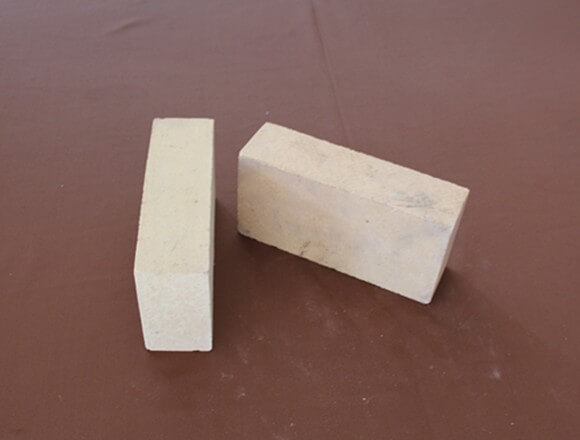
Fire bricks are engineered ceramic materials specifically designed to resist high temperatures, mechanical wear, and chemical corrosion. These attributes make them essential components in kilns, furnaces, incinerators, and reactors across sectors such as metallurgy, cement production, glass manufacturing, and petrochemical processing. The efficiency of these industries hinges on the reliability and performance of their refractory linings, with fire bricks playing a central role.
Traditional fire brick production often struggled with inconsistencies in quality, leading to frequent maintenance shutdowns and elevated operational costs. However, companies like CH REFRACTORIES have revolutionized the field by implementing precise manufacturing methodologies, advanced material formulations, and rigorous quality control systems.
Innovations in Fire Brick Manufacturing at CH REFRACTORIES
Advanced Material Science
At CH REFRACTORIES, extensive research and development efforts are focused on enhancing the chemical composition and microstructure of fire bricks. By integrating alumina, silica, magnesia, and other high-purity minerals, their products achieve superior resistance to thermal shock, abrasion, and chemical attack. This ensures prolonged service life and minimal need for unscheduled maintenance.
- Optimized raw material selection for enhanced durability
- Customized formulations tailored to specific industry needs
- Enhanced energy efficiency in production processes
Precision Manufacturing Techniques
Modern fire brick manufacturing at CH REFRACTORIES employs state-of-the-art machinery and computer-aided design for precise shaping and consistency. Automated presses, controlled curing environments, and high-temperature kilns ensure that every batch meets stringent dimensional and performance standards.
- Computerized batching and mixing
- Automated molding and pressing
- Continuous quality monitoring
Environmental Sustainability
With increasing regulatory and societal pressures for environmental responsibility, CH REFRACTORIES has adopted greener manufacturing practices. These include the recycling of refractory waste, energy-efficient kiln operations, and reduced emissions during production. Not only do these measures benefit the environment, but they also lower costs and improve operational efficiency for industrial clients.
How Improved Fire Bricks Enhance Industrial Efficiency
| Aspect | Traditional Fire Bricks | CH REFRACTORIES Fire Bricks |
|---|---|---|
| Thermal Conductivity | Higher, leading to heat loss | Optimized, minimizing energy loss |
| Durability | Moderate, frequent replacements needed | High, extended service intervals |
| Resistance to Corrosion | Varies, prone to chemical attack | Superior, tailored for specific chemicals |
| Customization | Limited | Highly customizable for application |
| Environmental Impact | Higher emissions, waste | Lower emissions, recycled waste |
Upgraded fire bricks from CH REFRACTORIES offer tangible efficiency gains in several key areas:
- Reduced Heat Loss: Enhanced insulation properties lead to significant energy savings, lowering fuel consumption and operational expenses.
- Extended Operational Life: Improved wear and corrosion resistance mean less frequent shutdowns for repairs or replacements, maximizing production uptime.
- Consistent Product Quality: Stable thermal environments contribute to uniform product output, reducing waste and rework.
- Lower Maintenance Costs: Reliable refractory materials cut down on emergency maintenance and associated labor costs.
- Environmental Benefits: Energy efficiency and waste reduction align with green manufacturing initiatives, which are increasingly critical for regulatory compliance and corporate reputation.
Case Studies: Real-World Impact of CH REFRACTORIES Fire Bricks
Metallurgical Industry
In iron and steelmaking, refractory linings face extreme thermal and mechanical stress. A major steel plant adopted CH REFRACTORIES’ high-alumina bricks, resulting in:
- 30% increase in furnace campaign life
- 15% reduction in fuel usage
- Significant decrease in unplanned downtime
Cement Manufacturing
Cement rotary kilns are notorious for high wear rates due to abrasive clinker and fluctuating temperatures. By switching to CH REFRACTORIES’ magnesia spinel bricks, cement producers reported:
- Longer change-out intervals
- Improved clinker quality
- Lowered maintenance expenditure
Glass Production
In glass furnaces, the refractory lining must resist chemical attack from molten glass components. CH REFRACTORIES developed silica and zircon bricks specifically for glass industry needs, resulting in:
- Enhanced clarity and purity of glass products
- Stable temperature control and reduced defect rates
Process Optimization through Customized Solutions
CH REFRACTORIES recognizes that each industrial process poses unique challenges. Their approach centers on collaboration with clients to design and manufacture bricks that precisely match operational requirements. This customization includes:
- Adjusting chemical composition for specific corrosive atmospheres
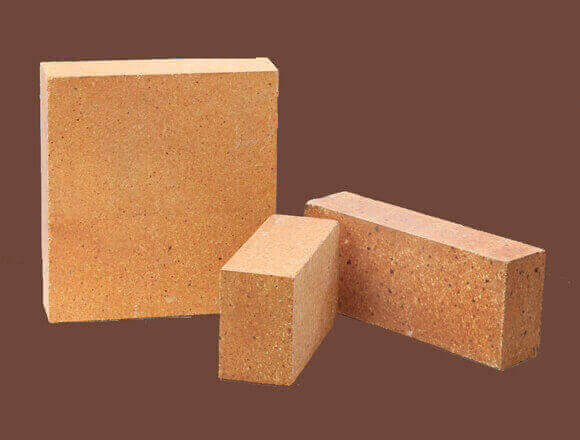
- Engineering shapes and sizes for complex kiln or furnace geometries
- Integrating sensors and monitoring tools for predictive maintenance
Such bespoke solutions not only optimize furnace performance but also pave the way for digitized plant operations and Industry 4.0 compatibility, further driving industrial efficiency.
Quality Assurance and Continuous Improvement
Consistency and continuous improvement are at the core of CH REFRACTORIES’ manufacturing philosophy. They employ comprehensive testing protocols at every stage of production, from raw material inspection to final product evaluation. Key quality assurance measures include:
- Thermal shock testing
- Chemical resistance analysis
- Mechanical strength assessment
- Dimensional accuracy checks
Continuous feedback from field performance and customer input drives ongoing improvements, ensuring that the bricks evolve with changing industrial demands.
Future Directions: Digitalization and Smart Manufacturing
The future of fire brick manufacturing is intimately tied to digital transformation. CH REFRACTORIES is investing in smart manufacturing technologies such as data analytics, real-time process monitoring, and automation. These innovations enable:
- Greater process control and traceability
- Predictive maintenance for refractory linings
- Faster response to client needs and market changes
- Resource optimization and waste minimization
By embracing these trends, CH REFRACTORIES aims to set new benchmarks for efficiency, sustainability, and customer satisfaction in the refractory sector.
Summary Table: Key Benefits of CH REFRACTORIES Fire Brick Manufacturing
| Benefit | Description |
|---|---|
| Enhanced Durability | Longer operational life, reduced downtime |
| Energy Efficiency | Minimized heat loss, lower energy bills |
| Customization | Tailored solutions for diverse applications |
| Environmental Responsibility | Eco-friendly processes and recycled materials |
| Digital Integration | Smart monitoring and predictive analytics |
Conclusion
Tags:Refractory for Glass industry,Refractory for Cement industry,Refractory application