
Can Porous Insulation Brick Enhance Thermal Performance
Zhengzhou Caihua Kiln Masonry Installation Co., Ltd, widely known as CH REFRACTORIES, is at the forefront of refractory materials innovation. As industries push for more energy-efficient solutions, the role of advanced materials such as porous insulation brick has become increasingly significant. In this article, we explore whether porous insulation brick can truly enhance thermal performance, and how CH REFRACTORIES is leading the way in this field.
Industry Update: The Drive for Better Thermal Solutions
The demand for high-performance insulation materials is surging across sectors like metallurgy, glass, ceramics, and petrochemicals. With rising energy costs and stringent environmental regulations, industries are seeking materials that offer superior thermal insulation without compromising structural integrity. In this context, porous insulation brick and thermal insulation brick have emerged as top contenders for kiln and furnace linings.
Recent industry news highlights a shift towards lightweight, durable, and energy-saving refractory products. Companies like CH REFRACTORIES are responding by developing bricks that not only withstand extreme conditions but also minimize energy loss. These advancements are reshaping the way factories approach thermal management.
What Are Porous Insulation Bricks?
Porous insulation bricks are lightweight refractory products characterized by a network of tiny, interconnected pores. These pores trap air, which is a poor conductor of heat, resulting in exceptional thermal insulation properties. The bricks are typically made from high-alumina, silica, or clay-based materials, and are engineered to balance low density with high mechanical strength.
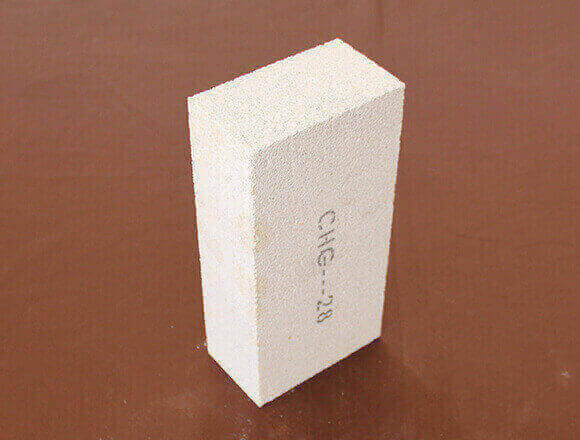
- Low Thermal Conductivity: The primary advantage of porous insulation bricks is their ability to significantly reduce heat transfer, keeping external surfaces cooler and conserving energy.
- Lightweight Structure: Their low bulk density reduces the overall weight of kiln linings, making installation easier and reducing structural load.
- Chemical Stability: These bricks resist corrosion from gases and slags, ensuring long service life in harsh industrial environments.
Enhancing Thermal Performance: Evidence and Applications
Thermal performance is measured by how effectively a material limits heat flow. CH REFRACTORIES, through extensive research and testing, has demonstrated that porous insulation bricks outperform traditional dense bricks in reducing energy consumption. Their products are widely used in the insulation layers of rotary kilns, tunnel kilns, and glass furnaces.
A key factor in their effectiveness is the combination of porosity and material composition. For example, high-alumina porous insulation bricks offer both high refractoriness and low thermal conductivity, making them ideal for high-temperature applications. These bricks have been shown to reduce fuel consumption by up to 30% compared to conventional materials, translating into significant cost savings and lower carbon emissions.
Case Study: Glass Furnace Upgrade
In a recent project, CH REFRACTORIES supplied porous insulation bricks for a major glass manufacturing plant. The upgrade resulted in improved temperature uniformity, reduced heat loss, and extended furnace lifespan. The client reported a notable decrease in energy bills and maintenance costs, underscoring the practical benefits of advanced insulation solutions.
Comparing Porous Insulation Brick with Other Insulation Materials
While thermal insulation brick is a broad category, porous insulation bricks stand out due to their unique structure. Compared to fiber blankets and castables, they offer better dimensional stability and are less prone to shrinkage at high temperatures. Their modular shape also simplifies installation and replacement, reducing downtime during maintenance.
| Material | Thermal Conductivity (W/m·K) | Max. Service Temp (°C) | Weight | Durability |
|---|---|---|---|---|
| Porous Insulation Brick | 0.15 – 0.35 | 1200 – 1700 | Lightweight | High |
| Dense Fire Brick | 1.0 – 1.5 | 1400 – 1800 | Heavy | Very High |
| Ceramic Fiber Blanket | 0.04 – 0.08 | 1000 – 1400 | Very Lightweight | Moderate |
The above comparison highlights the balance porous insulation bricks provide between insulation efficiency and mechanical strength, making them a preferred choice for many demanding applications.
Industry Trends and Future Outlook
The development of next-generation refractory materials is closely tied to global trends in sustainability and smart manufacturing. CH REFRACTORIES is investing in R&D to create bricks with even lower thermal conductivity, improved resistance to thermal shock, and enhanced environmental performance.
Digital monitoring and predictive maintenance are also influencing kiln design. By integrating advanced insulation materials like porous insulation brick, manufacturers can optimize process control, reduce downtime, and extend equipment life. This trend is expected to accelerate as more plants adopt Industry 4.0 technologies.
Conclusion: CH REFRACTORIES Leads the Way
In conclusion, porous insulation brick is a game-changer for industries seeking to enhance thermal performance and energy efficiency. With proven benefits in reducing heat loss, lowering operational costs, and supporting sustainable practices, these bricks are an essential component of modern kiln and furnace design.
Zhengzhou Caihua Kiln Masonry Installation Co., Ltd (CH REFRACTORIES) continues to set industry standards with its commitment to quality, innovation, and customer satisfaction. As the market evolves, CH REFRACTORIES remains your trusted partner for advanced refractory solutions, including porous insulation brick and thermal insulation brick, tailored to the needs of the future.
For the latest updates on refractory materials and industry trends, stay connected with CH REFRACTORIES.
Tags:Insulation Brick supplier,Fire Brick supplier,Refractory for Iron steel industry