
Can Soft Fire Brick Lining Enhance Kiln Performance
In the ever-evolving landscape of industrial kilns and high-temperature processing, optimizing kiln efficiency and longevity is a paramount concern. As a leading expert in refractory solutions, Zhengzhou Caihua Kiln Masonry Installation Co., Ltd (abbreviated as CH REFRACTORIES) is committed to advancing kiln technology through innovative materials and techniques. One such advancement is the use of soft fire brick lining, a solution that has gained significant traction in recent years. This article explores how soft fire brick lining can enhance kiln performance, with insights from CH REFRACTORIES and the broader refractory industry.
Understanding Soft Fire Brick Lining
Soft fire bricks, also known as insulating fire bricks, are lightweight refractory materials designed to withstand high temperatures while providing excellent thermal insulation. Unlike dense fire bricks, soft fire bricks are made from materials with high porosity, allowing them to trap air and reduce heat loss. This unique structure makes them ideal for lining kilns, furnaces, and other high-temperature environments where energy efficiency is crucial.
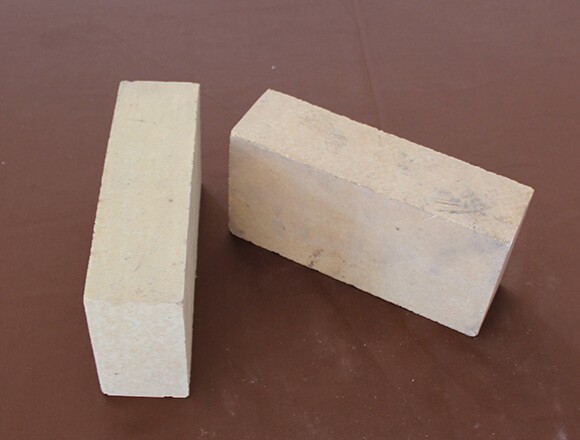
At CH REFRACTORIES, the selection and installation of soft fire brick lining are tailored to meet the specific needs of each kiln, ensuring optimal performance and durability. The company’s expertise in kiln masonry installation guarantees that every project benefits from the latest advancements in refractory technology.
The Advantages of Soft Fire Brick Lining
- Enhanced Thermal Insulation: Soft fire bricks significantly reduce heat loss, maintaining consistent internal temperatures and reducing energy consumption.
- Lightweight Construction: The low density of soft fire bricks minimizes the overall weight of the kiln lining, reducing structural stress and facilitating easier installation.
- Improved Energy Efficiency: By minimizing heat loss, kilns lined with soft fire bricks require less fuel to maintain operating temperatures, resulting in lower operational costs.
- Ease of Maintenance: Soft fire brick linings are easier to repair and replace compared to traditional dense brick linings, reducing downtime and maintenance expenses.
These benefits make soft fire brick lining an attractive option for industries ranging from ceramics and metallurgy to glass manufacturing and chemical processing.
Industry Trends: The Shift Toward Energy Efficiency
The global refractory industry is witnessing a significant shift toward sustainable and energy-efficient solutions. As environmental regulations tighten and energy costs rise, manufacturers are increasingly seeking ways to reduce their carbon footprint and operational expenses. Soft fire brick lining is at the forefront of this movement, offering a practical and cost-effective way to enhance kiln efficiency without compromising performance.
CH REFRACTORIES has been instrumental in promoting the adoption of soft fire brick lining across various industries. The company’s commitment to research and development ensures that customers benefit from the latest innovations in refractory materials. Recent industry reports highlight a growing demand for insulating fire bricks, driven by the need for lightweight, high-performance materials that can withstand the rigors of modern manufacturing processes.
Latest Developments in Refractory Technology
Recent advancements in refractory technology have led to the development of soft fire bricks with improved thermal shock resistance and higher maximum service temperatures. These innovations have expanded the range of applications for soft fire brick lining, making it suitable for even the most demanding kiln environments. CH REFRACTORIES continues to invest in cutting-edge research, collaborating with industry partners to develop materials that set new standards for performance and sustainability.
Installation and Maintenance: Best Practices from CH REFRACTORIES
The effectiveness of soft fire brick lining depends not only on the quality of the materials but also on the expertise of the installation team. CH REFRACTORIES employs a team of skilled technicians with extensive experience in kiln masonry installation. The company follows a rigorous process to ensure that every lining is installed to the highest standards, maximizing the benefits of soft fire brick technology.
- Site Assessment: Detailed analysis of kiln operating conditions and requirements.
- Material Selection: Choosing the appropriate grade and thickness of soft fire bricks for optimal performance.
- Precision Installation: Ensuring tight joints and proper alignment to minimize heat loss and prevent brick movement.
- Regular Maintenance: Scheduled inspections and repairs to address wear and extend the life of the lining.
By adhering to these best practices, CH REFRACTORIES helps clients achieve long-term reliability and efficiency in their kiln operations.
Industry Applications and Case Studies
Soft fire brick lining is used extensively in industries such as ceramics, metallurgy, and glass production. For example, in the ceramics industry, maintaining a consistent firing temperature is critical to product quality. Soft fire bricks’ superior insulation properties help achieve this stability while reducing fuel consumption. Similarly, in the metallurgy sector, soft fire brick lining protects the kiln structure from extreme heat and chemical attack, prolonging equipment lifespan.
CH REFRACTORIES has completed numerous projects where soft fire brick lining has resulted in measurable improvements in energy efficiency and product quality. These case studies underscore the value of partnering with a trusted refractory supplier and installer.
Integrating Related Technologies: Kiln Burner and Refractory Castable
While soft fire brick lining plays a central role in kiln performance, integrating other advanced technologies can further enhance operational efficiency. For instance, the selection of a high-quality kiln burner is crucial for achieving optimal combustion and temperature control. CH REFRACTORIES offers comprehensive solutions that include kiln burner selection and installation, ensuring seamless integration with soft fire brick linings.
Additionally, the use of refractory castable materials can complement soft fire brick linings in areas exposed to particularly high wear or complex geometries. Refractory castable provides excellent mechanical strength and resistance to chemical attack, making it an ideal choice for specific kiln zones. CH REFRACTORIES’ expertise in both soft fire brick and refractory castable solutions enables clients to benefit from a holistic approach to kiln design and maintenance.
Conclusion: The Future of Kiln Lining with CH REFRACTORIES
As industries continue to prioritize energy efficiency, sustainability, and operational excellence, soft fire brick lining stands out as a transformative solution. With its superior insulation properties, lightweight construction, and ease of maintenance, soft fire brick lining can significantly enhance kiln performance. CH REFRACTORIES remains at the forefront of this innovation, offering tailored solutions that meet the evolving needs of modern manufacturing.
For companies seeking to upgrade their kiln lining or embark on new projects, partnering with an experienced provider like Zhengzhou Caihua Kiln Masonry Installation Co., Ltd ensures access to the latest refractory technologies and industry best practices. By embracing soft fire brick lining and related advancements, manufacturers can achieve new heights of efficiency, reliability, and sustainability in their kiln operations.
For more information on soft fire brick lining and other refractory solutions, contact CH REFRACTORIES today and discover how your kiln performance can be transformed.