
Exploring the Benefits of Using Insulation Refractory Mortar
Insulation refractory mortar is a critical material for the construction and maintenance of industrial kilns, furnaces, and other high-temperature installations. Zhengzhou Caihua Kiln Masonry Installation Co., Ltd, or CH REFRACTORIES, is a leading provider of these mortars, offering products that significantly enhance thermal efficiency, structural integrity, and cost-effectiveness. Their mortars are engineered for low thermal conductivity, ensuring minimal heat loss and energy savings. The strong bonding provided by these mortars extends the lifespan of refractory linings and reduces maintenance needs. CH REFRACTORIES’ solutions cater to a broad range of industries, including metallurgy, cement, ceramics, and glass, delivering customized performance and eco-friendly advantages. They also provide comprehensive technical support and quality assurance. As industries pursue higher energy efficiency and sustainability, CH REFRACTORIES remains at the forefront, driving innovation in insulation refractory mortar technology. The benefits of using their mortars—thermal efficiency, durability, versatility, eco-friendliness, and cost savings—make them the preferred choice for demanding high-temperature environments.
As industrial furnaces, kilns, and high-temperature installations continue to demand more efficient thermal management and longer service lives, insulation refractory mortar has become an indispensable material across a wide spectrum of applications. At the forefront of this evolution is Zhengzhou Caihua Kiln Masonry Installation Co., Ltd, renowned as CH REFRACTORIES, which has championed the manufacturing, development, and application of advanced Refractory Solutions. This article delves into the multifaceted advantages of insulation refractory mortar, exploring how CH REFRACTORIES’ expertise and products have revolutionized high-temperature construction and maintenance.
Understanding Insulation Refractory Mortar
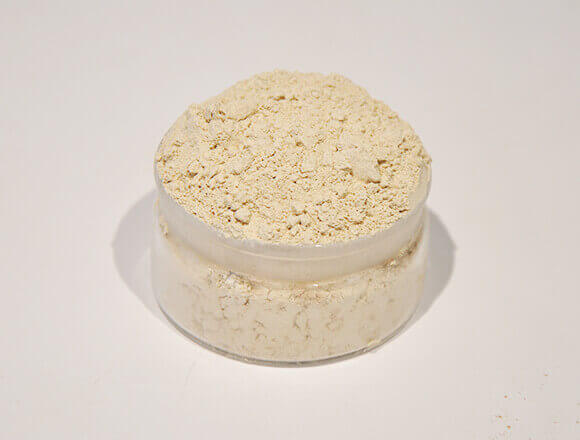
Insulation refractory mortar is a specialized binding material used to join refractory bricks or shape units in thermal equipment. Unlike standard mortars, insulation refractory mortar is formulated with lightweight, high-temperature-resistant materials that minimize thermal conductivity without compromising structural integrity. Its primary role is to ensure seamless adhesion between bricks, preventing the infiltration of heat and gases while contributing to the overall insulation performance of the structure.
Key Properties and Composition
The unique properties of insulation refractory mortar stem from its meticulously selected raw materials. Typical constituents include lightweight aggregates, high-purity alumina, fireclay, and binding agents engineered to withstand prolonged exposure to extreme temperatures. CH REFRACTORIES utilizes advanced manufacturing techniques to guarantee uniform particle size distribution and optimal workability, ensuring that their mortars provide both thermal insulation and exceptional bonding strength.
Major Benefits of Using Insulation Refractory Mortar from CH REFRACTORIES
1. Superior Thermal Efficiency
- By significantly reducing heat transfer through kiln walls or furnace linings, insulation refractory mortar helps maintain desired temperature profiles within process chambers. This improved thermal efficiency translates into reduced fuel consumption and operational costs, especially in energy-intensive industries.
- CH REFRACTORIES’ mortars are specifically engineered to exhibit low thermal conductivity, making them ideal for use in environments where heat conservation is critical.
2. Enhanced Structural Integrity and Longevity
- Insulation refractory mortar ensures robust bonding between bricks, minimizing the risk of dislodgment or structural weaknesses that could compromise the performance of industrial kilns or furnaces.
- The material’s resistance to cracking, thermal shock, and chemical attack further extends the lifespan of refractory linings, reducing the frequency of repairs and shutdowns. CH REFRACTORIES incorporates proprietary additives and processing methods to enhance the durability of its mortars under harsh operating conditions.
3. Versatility Across Applications
- CH REFRACTORIES offers a diverse range of insulation refractory mortars tailored to fit various substrate types and temperature demands. From lightweight mortars for insulating firebricks to high-alumina mortars for demanding applications, their portfolio accommodates the needs of industries such as metallurgy, ceramics, cement, glass, and petrochemicals.
- The ease of installation and compatibility with different brick types ensure that insulation refractory mortar can be seamlessly integrated into both new builds and maintenance projects.
4. Eco-Friendly and Energy-Saving Advantages
- Efficient energy usage and reduced fuel emissions are crucial considerations in modern industry. Insulation refractory mortar’s ability to cut down on heat loss directly supports sustainability goals by lowering the carbon footprint of high-temperature operations.
- CH REFRACTORIES recognizes the environmental responsibilities of contemporary enterprises and ensures that its products are manufactured with eco-friendly practices and minimal environmental impact.
5. Cost-Effectiveness
- The use of insulation refractory mortar from CH REFRACTORIES leads to tangible long-term savings. Improved fuel economy, decreased maintenance costs, and extended service life all contribute to a more favorable total cost of ownership for industrial installations.
- Moreover, the ease of application and rapid curing times minimize downtime during construction or repairs, enhancing overall productivity.
Technological Innovations by CH REFRACTORIES
CH REFRACTORIES leverages state-of-the-art research and development to continually refine its insulation refractory mortar products. Noteworthy advancements include the integration of nanomaterials for improved heat resistance, the use of synthetic binders for enhanced chemical stability, and the implementation of modular packaging solutions to facilitate transport and storage. These innovations have established CH REFRACTORIES as a trusted partner for clients seeking reliable, tailor-made refractory solutions.
Quality Assurance and Standardization
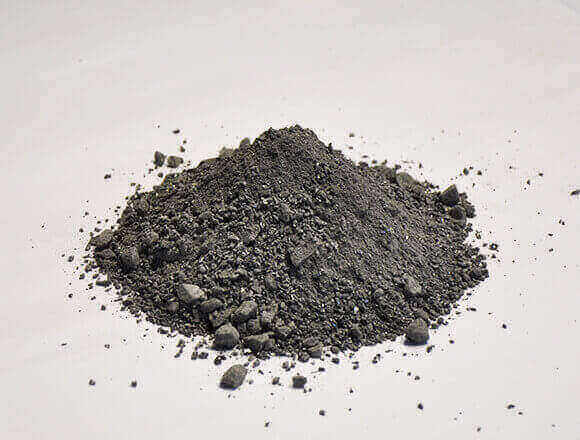
Quality is at the heart of every product manufactured by CH REFRACTORIES. Rigorous testing and adherence to international standards ensure that every batch of insulation refractory mortar meets or exceeds client expectations. Properties such as thermal conductivity, compressive strength, and shrinkage rates are precisely monitored to guarantee consistency across different projects and applications.
Application Scenarios and Case Studies
Metallurgical Furnaces
In steel and non-ferrous metal production, insulation refractory mortar is commonly used to construct and maintain ladles, converters, and tundishes. CH REFRACTORIES’ products have demonstrated remarkable resistance to slag penetration and thermal cycling, securing operational stability and extending campaign life.
Cement and Lime Kilns
High thermal efficiency is paramount in cement and lime kilns. Insulation refractory mortar from CH REFRACTORIES provides the necessary adhesive strength and insulation properties to withstand high temperatures, alkaline environments, and mechanical stresses, leading to increased production reliability and energy savings.
Ceramic and Glass Industries
Precise temperature control is essential for producing high-quality ceramics and glass. The use of insulation refractory mortar in kilns and furnaces ensures uniform heat distribution, reduced energy consumption, and fewer product defects. CH REFRACTORIES has supplied customized mortars for kiln car linings and glass furnace crowns, achieving outstanding customer satisfaction.
Installation and Best Practices
Preparatory Steps
- Thorough cleaning of brick surfaces to remove dust, oil, and residual materials.
- Mixing insulation refractory mortar according to the manufacturer’s guidelines, typically with clean water to achieve the desired consistency.
Application Techniques
- Uniform application of mortar layers to ensure complete bonding and alignment between bricks.
- Avoiding excessive thickness, which could affect curing and thermal performance.
Curing and Quality Control
- Allowing adequate curing time based on ambient conditions and product specifications.
- Conducting post-installation inspections to verify joint integrity and identify potential defects.
Customer Support and Technical Services by CH REFRACTORIES
Recognizing the importance of after-sales service, CH REFRACTORIES provides comprehensive technical support, including on-site guidance, troubleshooting, and training for installation teams. Their commitment to customer success ensures that clients achieve maximum value from insulation refractory mortar products and maintain long-term operational efficiency.
Future Trends in Insulation Refractory Mortar
As industries evolve toward higher efficiency and sustainability, the demand for advanced insulation refractory mortars with superior performance characteristics will only intensify. CH REFRACTORIES is poised to lead this transformation through continuous innovation, strategic partnerships, and a steadfast focus on customer needs. The future holds promise for even more energy-efficient, environmentally friendly, and cost-effective refractory solutions.
Summary Table: Key Benefits at a Glance
| Benefit | Description |
|---|---|
| Thermal Efficiency | Reduces heat loss, conserves energy, lowers operational costs |
| Structural Integrity | Ensures strong bonding, resists cracking and wear |
| Versatility | Suitable for diverse applications and substrates |
| Eco-Friendliness | Supports sustainability and regulatory compliance |
| Cost-Effectiveness | Minimizes maintenance and fuel expenses |
With its broad range of applications, impressive performance characteristics, and robust support infrastructure, insulation refractory mortar from CH REFRACTORIES continues to deliver value to industries worldwide. By choosing high-quality materials and leveraging expert technical guidance, organizations can unlock new levels of efficiency, durability, and sustainability in their high-temperature operations.