
Exploring the Future of Stopper Rod Design for Precision Control
The article explores the next generation of stopper rod design for precision control in the steel and metallurgical industries, with a focus on Zhengzhou Caihua Kiln Masonry Installation Co., Ltd (CH REFRACTORIES). Stopper rods play a vital role in continuous casting, serving as primary valves for controlling molten steel flow, which directly affects product quality and safety. CH REFRACTORIES leads the industry through innovations in materials—using alumina graphite, magnesia carbon, and zirconia composites for enhanced durability—and custom engineering, including finite element analysis for optimal design. Emerging trends include smart sensor integration for real-time data monitoring, advanced coatings for improved lifespan, and increasing automation in rod handling and diagnostics. Precision control is achieved by optimizing rod geometry, incorporating multi-layered structures for thermal management, and enabling digital closed-loop systems. The company addresses challenges such as high-temperature corrosion, mechanical wear, and thermal shock through advanced materials, process engineering, and training. Sustainability efforts focus on eco-friendly sourcing, lifecycle management, and recycling, aligning with global environmental goals. Collaborative innovation with industry stakeholders drives continuous improvement, as demonstrated by real-world case studies showcasing reduced downtime and improved steel quality. The future of stopper rod design is set to be marked by further advances in digitalization, automation, and sustainable practices, positioning CH REFRACTORIES as a key innovator in precise molten metal control.
In the evolving landscape of steel and metallurgical processes, the demand for precision, reliability, and efficiency has never been greater. Among the many crucial components in continuous casting, the stopper rod has emerged as a linchpin for flow control and metallurgical performance. Zhengzhou Caihua Kiln Masonry Installation Co., Ltd, widely known as CH REFRACTORIES, stands at the forefront of innovations in stopper rod design, striving to set new benchmarks for quality, durability, and automation in molten metal control technologies.
The Role of Stopper Rods in Modern Metallurgy
Stopper rods are indispensable to continuous casting machines, functioning as the primary control valves for molten steel flow from tundish to mold. Their effectiveness directly influences product quality, yield rates, and the overall operational safety of steel plants. With fluctuations in demand and stricter quality requirements, the industry has shifted its focus towards technological advancements that enhance the precision and reliability of these devices.
CH REFRACTORIES: Pioneering Excellence in Stopper Rod Manufacture
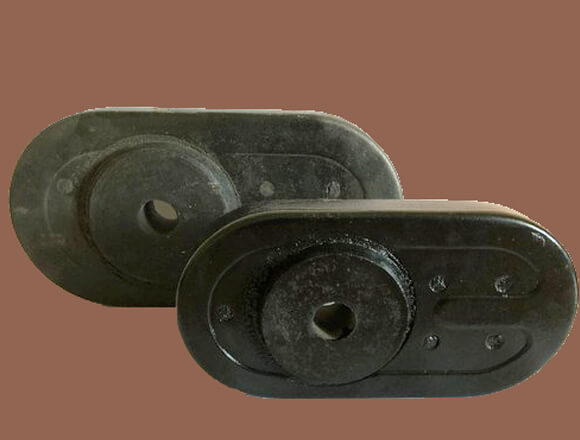
As a leading manufacturer and installer of Refractory Solutions, CH REFRACTORIES leverages decades of research and development to innovate stopper rod design. The company’s approach integrates both advanced material science and engineering expertise, allowing for tailored products that meet specific operational challenges across different casting environments.
Material Innovations
One of the cornerstones of CH REFRACTORIES’ strategy is the development of high-performance materials able to withstand intense thermal and chemical stresses. Through the utilization of isostatically pressed alumina graphite, magnesia carbon, and zirconia composites, the stopper rods demonstrate exceptional thermal shock resistance, erosion resistance, and longevity. Such advancements not only reduce downtime but also contribute to cleaner steel production by minimizing inclusions and contaminant release.
Custom Engineering
CH REFRACTORIES offers customizable stopper rod solutions, addressing the unique needs of each casting operation. By collaborating closely with clients, the company’s engineering team adapts rod geometries, diameters, and surface treatments, ensuring optimal sealing and fluidity control. The integration of finite element analysis and digital modeling has further enabled predictive performance assessments, accelerating design cycles and enhancing product reliability.
Emerging Trends in Stopper Rod Design
The future of stopper rod technology is being shaped by several notable trends, driven by digitalization, automation, and the pursuit of sustainability.
Smart Stopper Rods
CH REFRACTORIES is actively exploring the integration of smart sensors and IoT (Internet of Things) connectivity into stopper rod assemblies. These intelligent rods are capable of real-time monitoring of temperature gradients, erosion rates, and positional data. Such capabilities empower plant operators with predictive maintenance tools and precise control over steel flow, minimizing the risk of breakouts and improving overall product consistency.
Advanced Coatings and Surface Treatments
To combat the aggressive environments within tundishes and molds, CH REFRACTORIES is developing advanced anti-oxidation and anti-erosion coatings. These surface treatments extend the operational life of stopper rods, reduce maintenance intervals, and help maintain tighter dimensional tolerances during casting.
Automation and Robotics
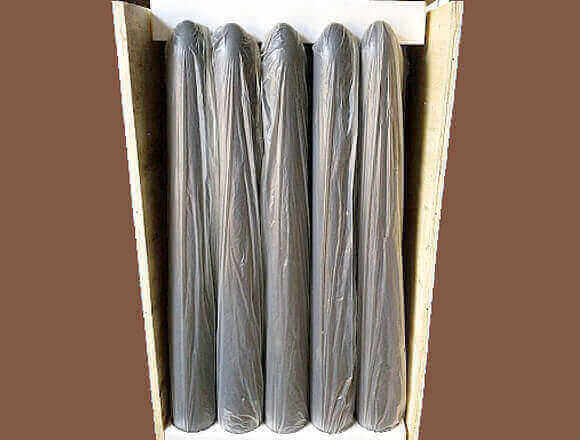
Automation has already begun transforming the installation, manipulation, and maintenance of stopper rods. CH REFRACTORIES envisions fully automated rod handling systems utilizing robotic arms, vision systems, and AI-driven diagnostics. Such advancements promise not only to enhance operator safety but also further boost process repeatability and reduce human error.
Precision Control: The Heart of Modern Casting
The essence of next-generation stopper rod design lies in its ability to provide ultra-precise flow regulation. For high-quality steel grades, especially ultra-low carbon or specialty alloys, even minor deviations in flow rate or temperature can result in defects. CH REFRACTORIES’ commitment to precision control manifests through:
- Optimized Flow Path Engineering: Careful attention to the rod’s shape, tip design, and surface finish, ensuring laminar flow while minimizing turbulence and splashing.
- Thermal Management: Using multi-layered composite structures that maintain mechanical integrity and thermal insulation, reducing heat losses and extending rod lifespan.
- Digital Control Integration: Enabling closed-loop control systems where stopper rod positioning is automatically adjusted in response to real-time process feedback.
Industry Challenges and Solutions
Despite significant advancements, stopper rod technology faces ongoing challenges. The most pressing include:
- High-temperature corrosion and oxidation
- Mechanical wear from abrasive slag and steel
- Thermal shock due to rapid temperature changes
- Complex multi-grade steel casting requirements
CH REFRACTORIES addresses these issues through a multi-pronged approach:
- Material Selection: Employing hybrid composites and advanced refractories to enhance resistance to aggressive chemical and thermal environments.
- Process Engineering: Collaborating with clients to fine-tune operational parameters, such as pre-heating protocols, insertion speeds, and cooling cycles.
- Knowledge Sharing: Offering expert training programs and technical support to enable optimal use of advanced stopper rod systems.
Sustainability and Stopper Rod Lifecycle Management
The global push toward sustainability is shaping the way refractory products are designed and managed. For CH REFRACTORIES, this translates into both product and process innovations. Through targeted research and sustainable sourcing of raw materials, the company aims to reduce its environmental footprint. Moreover, lifecycle analysis and recycling strategies are being developed to extend the utility of used stopper rods, contributing to circular economy initiatives within the steel industry.
This proactive strategy not only demonstrates corporate responsibility but also delivers tangible value to clients in the form of reduced total cost of ownership and compliance with environmental regulations.
Collaborative Innovation: The Way Forward
To stay ahead of industry needs and anticipate future challenges, CH REFRACTORIES maintains robust partnerships with universities, research institutes, and steel producers worldwide. These collaborations fuel continuous improvement in product performance, digital integration, and sustainable design. The commitment to open innovation ensures that solutions are not only technologically advanced but also practical and adaptable to the real-world complexities of modern steelmaking.
Case Studies: Real-World Successes
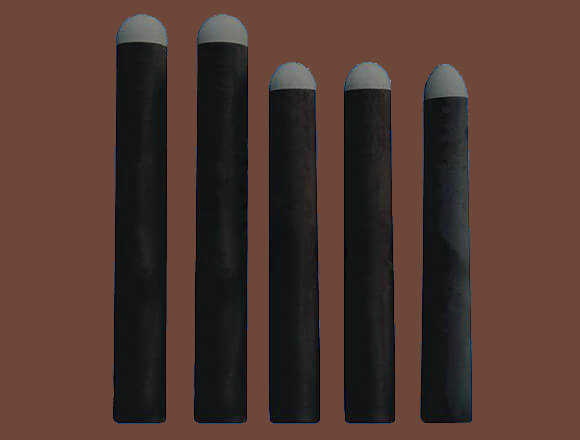
Several global steel producers have partnered with CH REFRACTORIES to implement state-of-the-art stopper rod solutions, resulting in measurable improvements. For example, a major mill in Southeast Asia reported a 30% reduction in unplanned downtime and a 15% increase in steel cleanliness after adopting CH REFRACTORIES’ advanced stopper rod assemblies. Another customer in Europe saw a significant extension in rod service life through the use of novel surface coatings, confirming the value of ongoing R&D investments.
Outlook: The Future of Precision Control
Looking ahead, CH REFRACTORIES remains committed to pushing the boundaries of stopper rod technology. The company envisions a future where precise, automated, and sustainable stopper rod systems are the norm in every casting facility, regardless of scale or specialty. As digitalization, AI, and advanced materials continue to converge, the steel industry will benefit from even greater accuracy, efficiency, and reliability in molten metal control.