
How Does Alumina Enhance Refractory Concrete Performance
Alumina (Al2O3) plays a pivotal role in enhancing the performance of refractory concrete by imparting exceptional refractoriness, mechanical strength, and chemical stability. Zhengzhou Caihua Kiln Masonry Installation Co., Ltd (CH REFRACTORIES) has pioneered the development and application of high-alumina refractory concrete for various industrial sectors, including steel, cement, incineration, and non-ferrous metallurgy. Alumina’s high melting point allows refractory concrete to operate at temperatures above 1500°C, while its inertness ensures resistance to aggressive slags and corrosive chemicals. Mechanical properties such as compressive strength and abrasion resistance are significantly improved, extending the operational life of linings and reducing maintenance costs. Through advanced processing, tailored compositions, and the integration of innovative additives, CH REFRACTORIES delivers solutions that offer superior thermal shock resistance and minimal heat loss. Stringent quality control, expert installation, and after-sales support further ensure the reliability of alumina-enriched refractory linings. As industries demand ever-greater performance and sustainability, CH REFRACTORIES continues to innovate, reinforcing alumina’s status as a cornerstone of modern refractory concrete technology.
Zhengzhou Caihua Kiln Masonry Installation Co., Ltd, operating under the abbreviation CH REFRACTORIES, has established itself as a leader in refractory technology and solutions. The high demands of industrial heating and metallurgical processes require refractory concrete with exceptional durability and thermal resistance. One crucial component that significantly impacts the performance of refractory concrete is alumina (Al2O3). This article delves deep into the role of alumina in enhancing refractory concrete, exploring its mechanisms, benefits, and applications as utilized and developed by CH REFRACTORIES.
Understanding Refractory Concrete
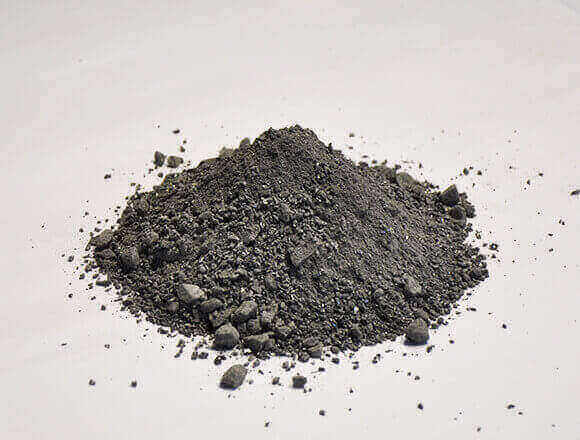
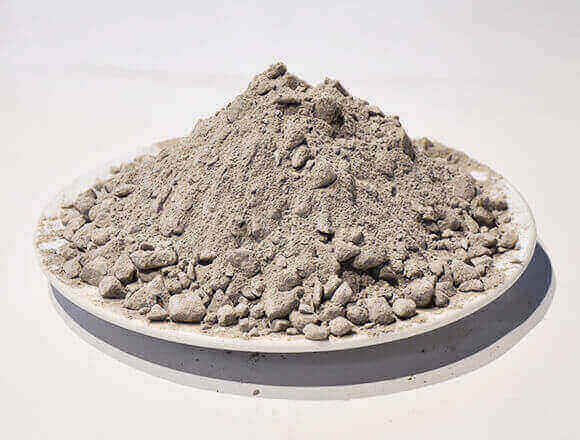
Refractory concrete, also known as castable refractory, refers to a mixture of aggregates, binders, and additives formulated to withstand high temperatures, mechanical stress, thermal cycling, and chemical attack. These materials are essential for lining furnaces, kilns, incinerators, and reactors. The selection of raw materials, especially the type and proportion of alumina, determines the concrete’s final properties, including its strength, refractoriness, slag resistance, and thermal shock resistance.
The Role of Alumina in Refractory Concrete
What Is Alumina?
Alumina (Al2O3) is a white, crystalline oxide of aluminum, renowned for its exceptional hardness, high melting point (over 2000°C), and chemical inertness. These characteristics make it a prime candidate for use in refractory materials. Alumina is typically sourced from bauxite ore and is available in various purity grades, each influencing the properties of refractory concrete differently.
Key Properties of Alumina That Enhance Refractory Concrete
- High Refractoriness: Alumina imparts the ability to withstand extremely high temperatures without deforming or melting.
- Chemical Stability: It resists attack from slags, acids, and basic environments, maintaining the integrity of concrete linings in harsh conditions.
- Mechanical Strength: Alumina increases the compressive strength and abrasion resistance of refractory concrete, extending service life and minimizing maintenance.
- Thermal Shock Resistance: The controlled pore structure and thermal expansion characteristics of alumina reduce the risk of cracking due to rapid temperature changes.
- Low Thermal Conductivity: Alumina-containing concrete acts as an insulator, minimizing heat loss during industrial operations.
CH REFRACTORIES’ Approach to Alumina-Enriched Refractory Concrete
Material Selection and Sourcing
CH REFRACTORIES prioritizes the use of high-purity alumina, sourced from reliable suppliers and subjected to rigorous quality control. By selecting optimal particle sizes and purity levels, the company tailors refractory concrete blends for diverse applications, from steelmaking to ceramics and petrochemicals.
Customized Mix Designs
Each industrial process has unique thermal and chemical requirements. CH REFRACTORIES engineers develop proprietary mix designs that maximize alumina’s benefits, adjusting the ratios of aggregate, binder, and additives to balance workability with high-temperature performance. Special dispersants and deflocculants are incorporated to improve the flow, setting, and curing of alumina-rich castables.
Advanced Processing Techniques
By utilizing advanced mixing, casting, and curing technologies, CH REFRACTORIES ensures that the alumina is uniformly distributed within the concrete matrix. This uniformity is crucial for achieving consistent properties throughout the material, reducing weak points that could lead to failure under service conditions.
Performance Advantages of Alumina-Enriched Refractory Concrete
Thermal Endurance
High-alumina refractory concrete can routinely operate at temperatures exceeding 1500°C, making it suitable for the lining of rotary kilns, steel ladles, and glass furnaces. The stability of alumina at these extreme temperatures prevents spalling, deformation, and infiltration by molten products.
Chemical Resistance
Alumina’s inertness means that refractory concrete resists the corrosive effects of slags (both acidic and basic), gaseous emissions, and other chemical agents encountered in furnaces and reactors. This resistance ensures that the structural integrity of the lining is maintained over prolonged operational periods.
Abrasion and Erosion Resistance
In industries such as non-ferrous metallurgy and cement production, mechanical wear poses a significant threat to refractory linings. Alumina imparts high hardness and toughness to the concrete, dramatically reducing wear rates and extending relining intervals.
Thermal Shock Resistance
Thermal cycling—rapid heating and cooling—can cause conventional refractories to crack or degrade. Alumina’s low thermal expansion helps distribute thermal stress more evenly, minimizing the propagation of cracks and maintaining the integrity of the lining during operational fluctuations.
Industrial Applications with CH REFRACTORIES’ Solutions
Steel and Iron Making
High-alumina refractory concrete from CH REFRACTORIES is widely used in blast furnaces, torpedo ladles, and tundish linings, where resistance to both extreme temperatures and aggressive slags is critical. The enhanced durability reduces downtime for repairs and increases steel plant productivity.
Cement and Lime Kilns
Rotary kilns in cement and lime plants require refractory linings that can withstand continuous abrasion from raw materials and chemical attack from fuel gases. Alumina-rich concrete ensures high performance and longevity, tailored by CH REFRACTORIES to specific kiln zones and operating conditions.
Incinerators and Waste Treatment
Waste incineration exposes refractory linings to corrosive chemicals and thermal cycling. The alumina content in CH REFRACTORIES’ concrete formulations provides exceptional resistance, reducing slag build-up and extending service intervals in waste-to-energy facilities.
Non-Ferrous Metallurgy
For aluminum, copper, and lead smelting, refractory concrete must resist both chemical attack and mechanical erosion. The alumina-based solutions offered by CH REFRACTORIES maintain the structural stability of smelting furnaces and reactors, even under harsh operating conditions.
Customization and Innovation: CH REFRACTORIES’ R&D Focus
Tailored Compositions for Unique Needs
CH REFRACTORIES invests heavily in research and development to create customized alumina-based refractory concretes. By working closely with clients, the company develops mixes that optimize density, permeability, strength, and thermal conductivity for specific process requirements.
Nanotechnology and Additive Engineering
Recent innovations include the incorporation of nano-alumina and reactive powders, which further enhance the mechanical and thermal properties of refractory concrete. These additives improve particle packing, reduce porosity, and boost hot strength, resulting in superior performance and longevity.
Quality Control and Testing
Ensuring consistent performance is a hallmark of CH REFRACTORIES. All batches undergo stringent quality checks, including:
- Chemical composition analysis
- Thermal shock testing
- Cold and hot modulus of rupture tests
- Abrasion resistance measurement
- Porosity and density evaluation
This comprehensive approach guarantees that every delivery meets or exceeds client expectations for safety and durability.
Installation and After-Sales Support
Proper installation is vital for maximizing the benefits of alumina-enriched refractory concrete. CH REFRACTORIES offers expert kiln masonry and installation services, including:
- On-site technical guidance
- Customized casting procedures
- Quality assurance during curing and drying
- Post-installation monitoring and maintenance advice
This integrated service ensures that clients achieve optimal results throughout the lifecycle of their refractory linings.
Global Impact and Sustainability
By enhancing the performance and lifespan of refractory concrete, alumina-based solutions from CH REFRACTORIES contribute to greater energy efficiency and reduced environmental impact. Longer-lasting linings mean less frequent shutdowns and lower resource consumption, aligning with global sustainability goals.
Future Trends in Alumina Refractory Concrete
As industrial processes continue to evolve, the demand for even higher-performance refractory materials is growing. CH REFRACTORIES is at the forefront of developing next-generation solutions, including:
- Hybrid alumina-silicon carbide concretes for ultra-high temperature applications
- Low-cement and no-cement castables with improved green strength
- Smart refractory systems with embedded sensors for real-time monitoring
These innovations ensure that alumina will remain a cornerstone of advanced refractory technology for years to come.
Summary Table: Alumina’s Contributions to Refractory Concrete
| Property | Impact of Alumina |
|---|---|
| Refractoriness | Enables use above 1500°C |
| Chemical Resistance | Prevents corrosion by slags/acids |
| Mechanical Strength | Improves load-bearing and abrasion resistance |
| Thermal Shock Resistance | Reduces cracking under rapid temperature changes |
| Thermal Conductivity | Minimizes heat loss |
Tags:Refractory for Power Petrochmical Industry,Refractory application