
How Does Calcium Aluminate Cement Enhance Refractory Performance
Calcium Aluminate Cement (CAC) has fundamentally transformed the performance and durability of refractory materials used in high-temperature industrial settings. Zhengzhou Caihua Kiln Masonry Installation Co., Ltd (CH REFRACTORIES) leverages CAC’s rapid strength development, superior chemical and thermal resistance, and excellent workability to provide robust refractory linings for industries such as steel, cement, glass, and waste incineration. CAC’s dense microstructure and stable hydration products enhance longevity, reduce porosity, and defend against corrosive slags, abrasion, and thermal shock. CH REFRACTORIES specializes in custom-engineered CAC solutions—ranging from castables and gunning mixes to monolithic linings—tailored to meet specific operational demands. With a focus on quality, adaptability, and innovation, CAC-based refractories from CH REFRACTORIES minimize downtime, lower maintenance costs, and extend service life. This positions CAC as a critical ingredient for ensuring the reliability and efficiency of modern high-temperature industrial operations.
Refractory materials form the backbone of high-temperature industrial applications, shielding critical equipment from thermal and chemical damage. Among the various binding agents used in refractory production, Calcium Aluminate Cement (CAC) has emerged as a game-changer. Zhengzhou Caihua Kiln Masonry Installation Co., Ltd (CH REFRACTORIES), a leading provider in this field, has continually innovated with CAC to optimize refractory properties. This article delves into the multifaceted role of Calcium Aluminate Cement in boosting refractory performance, drawing on the expertise and solutions offered by CH REFRACTORIES.
Understanding Calcium Aluminate Cement (CAC)
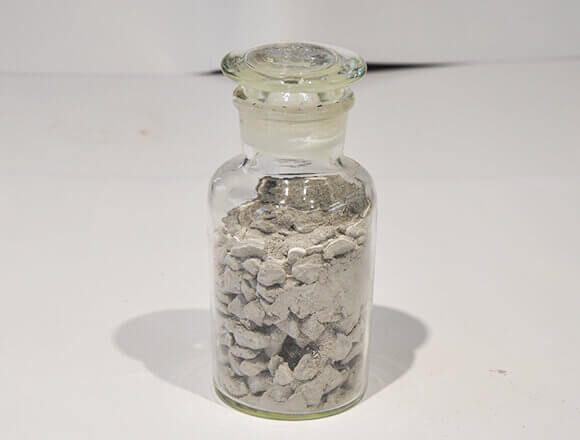
Calcium Aluminate Cement is a specialized hydraulic cement predominantly composed of calcium aluminates. Unlike ordinary Portland cement, CAC is engineered for high-temperature stability and rapid strength development. It is produced by sintering or fusing a blend of alumina and limestone, resulting in a cement with unique chemical and mineralogical characteristics. CH REFRACTORIES harnesses these properties to craft products that deliver robustness, versatility, and longevity in refractory applications.
Core Properties That Benefit Refractory Applications
1. Rapid Strength Development
CAC imparts refractories with fast-setting capabilities, crucial for installations requiring swift turnaround times. The hydration of calcium aluminates forms binding phases that quickly harden, allowing refractory linings to be placed and operational within shorter periods. This is particularly beneficial in repair and maintenance scenarios where downtime must be minimized. CH REFRACTORIES utilizes optimized CAC formulations to ensure that both strength and resilience are achieved promptly after casting or ramming.
2. Superior Chemical Resistance
Refractories often face corrosive slags, gases, and chemicals, especially in metallurgical and waste incineration industries. The matrix formed by CAC provides exceptional resistance to acids and alkalis due to the high alumina content. This chemical inertness extends the service life of refractory linings, reducing the frequency of costly shutdowns for repairs. CH REFRACTORIES engineers its products to enhance this resistance, making them ideal for aggressive operational environments.
3. Enhanced Thermal Stability
Thermal cycling and high operating temperatures frequently cause refractory degradation. CAC’s intrinsic high refractoriness – the temperature at which a material resists deformation – ensures dimensional stability, even under fluctuating thermal loads. The stable mineral phases created during CAC hydration resist sintering and melting, maintaining structural integrity. Companies like CH REFRACTORIES rely on these robust thermal properties to deliver linings suitable for furnaces, kilns, and incinerators that operate at extreme temperatures.
The Role of Calcium Aluminate Cement in Refractory Production
Formulation and Versatility
CH REFRACTORIES harnesses CAC in a wide variety of refractory compositions, ranging from castables and gunning mixes to high-strength bricks and monolithic linings. The adaptability of CAC allows engineers to tailor the setting time, mechanical strength, and resistance profile of the finished product, meeting the specific requirements of each application. Through careful selection of aggregate, additives, and CAC grade, CH REFRACTORIES delivers customized solutions for industries such as steel, cement, glass, petrochemicals, and non-ferrous metals.
Table: CAC-Enhanced Refractory Formulations by CH REFRACTORIES
| Refractory Type | Key CAC Benefits | Industrial Application |
|---|---|---|
| Low Cement Castables | High density, reduced porosity, improved strength | Steel ladles, rotary kilns |
| Ultra-Low Cement Castables | Maximum thermal shock resistance, dense microstructure | Incinerators, cement kilns |
| Gunning Mixes | Fast setting, minimal rebound | Maintenance, spot repairs |
| Self-Flow Castables | Excellent workability, uniform structure | Complex-shaped linings |
Mechanisms of Performance Enhancement
Optimized Hydration Reactions
When water is added to CAC-based refractory mixes, a series of hydration reactions yield calcium aluminate hydrates. These hydrates quickly form an interlocking matrix, granting precocious mechanical strength essential for early demolding and heat-up. CH REFRACTORIES exploits these reactions, controlling water addition and curing regimes to maximize green and fired strength.
Microstructural Advantages
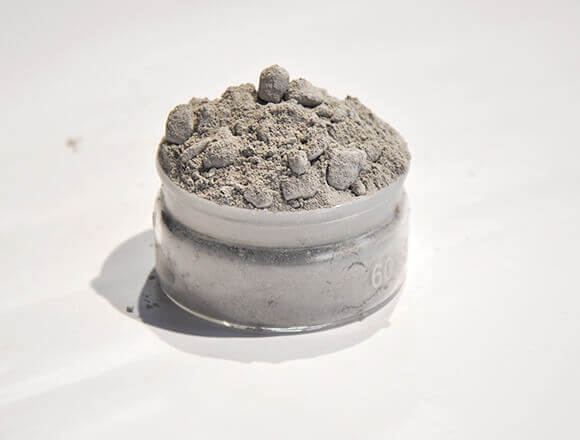
The dense microstructure achieved with CAC reduces open porosity, limiting ingress of corrosive agents. This is a key factor in prolonging refractory life, as a tightly bound matrix impedes chemical attack and mechanical erosion. CH REFRACTORIES incorporates advanced dispersants and deflocculants that further enhance packing density and reduce pore size, resulting in materials with exceptional impermeability and thermal shock resistance.
Thermal Shock Resistance
Frequent temperature fluctuations pose a major challenge for refractories. Materials bound with CAC exhibit impressive thermal shock resistance due to the formation of stable crystalline phases during both hydration and subsequent firing. This reduces the risk of spalling and structural failure. The design philosophy at CH REFRACTORIES centers on balancing thermal expansion and elasticity to optimize shock absorption for demanding applications.
Performance in Corrosive and Abrasive Environments
Outstanding Slag Resistance
In steelmaking and non-ferrous metallurgy, refractories are often exposed to basic and acidic slags. CAC’s alumina-rich matrix reacts minimally with these slags, providing a chemical shield against infiltration and erosion. CH REFRACTORIES leverages this resistance to offer linings that outperform traditional Portland-cement-based solutions, reducing slag penetration and extending service intervals.
Abrasion Resistance and Longevity
The high bonding strength and dense structure of CAC refractories provide formidable resistance to abrasive wear from solids, molten metals, or particulates. This is especially vital in rotary kilns, cyclone preheaters, and high-wear zones. CH REFRACTORIES develops formulations that withstand mechanical impact and continuous material flow, minimizing maintenance needs and optimizing lifecycle costs.
Workability and Installation Efficiency
Ease of Application
CH REFRACTORIES recognizes the importance of installation speed and quality, especially in shutdown situations. CAC-based castables, gunning mixes, and mortars are known for their excellent flow and self-leveling properties, facilitating efficient placement in difficult-to-reach areas. The rapid set and strength gain also allow for accelerated heat-up schedules, getting plants back online with minimal downtime.
Adaptability for Monolithic Solutions
Monolithic refractories, installed without joints, benefit greatly from the consistency and workability imparted by CAC. This reduces the risk of joint failure, enhances thermal insulation, and simplifies repair operations. CH REFRACTORIES provides tailored CAC mixes for both initial installations and spot repairs, ensuring seamless integration and long-term performance.
Long-Term Durability and Maintenance Savings
Minimizing Lifecycle Costs
Durability is a cornerstone of refractory value. By incorporating CAC, CH REFRACTORIES extends the operational life of linings, resulting in fewer shutdowns and lower replacement rates. The material’s resistance to chemical attack, thermal cycling, and mechanical wear translates directly into reduced maintenance costs and improved plant productivity. Strategic investments in CAC-enhanced refractories pay dividends through prolonged service intervals and increased equipment reliability.
Innovative Solutions from CH REFRACTORIES
Custom-Engineered CAC Products
As an industry leader, Zhengzhou Caihua Kiln Masonry Installation Co., Ltd (CH REFRACTORIES) continually innovates with new CAC-based formulations tailored to evolving industrial challenges. Through R&D and close collaboration with clients, CH REFRACTORIES develops products that match the specific chemical, thermal, and mechanical demands of each application. Their solutions range from high-purity, low-cement castables for steel ladles to abrasion-resistant mixes for waste incinerators.
Quality Control and Technical Support
Ensuring consistent performance requires stringent quality control throughout the production process. CH REFRACTORIES employs advanced analytical techniques to monitor raw material purity, particle size distribution, and hydration kinetics. This attention to detail translates into predictable setting times, uniform strength development, and reliable in-service performance. Comprehensive technical support, including installation guidance and post-installation monitoring, further distinguishes CH REFRACTORIES as a trusted partner in refractory excellence.
References to Industry Standards and Future Trends
The use of CAC in refractory design is supported by numerous international standards (such as ASTM C401 and ISO 1927) that specify performance criteria for high-alumina cements and castables. CH REFRACTORIES ensures compliance with these norms, while also staying abreast of emerging trends such as nanotechnology enhancements, green cement formulations, and digital monitoring of refractory health.
Key Benefits at a Glance
- Rapid strength development for accelerated installations
- Outstanding resistance to chemical attack and thermal cycling
- Reduced porosity and improved impermeability
- Superior performance in abrasive and high-wear environments
- Customization for diverse high-temperature industries
In summary, Calcium Aluminate Cement serves as a pivotal component in modern refractory engineering. Through advanced CAC technologies and expert application, CH REFRACTORIES enables industrial clients to achieve new benchmarks in safety, efficiency, and cost-effectiveness across a range of high-temperature operations. By continuously refining CAC formulations and installation techniques, CH REFRACTORIES remains at the forefront of refractory innovation and performance optimization.
Tags:Unshaped Refractory,Refractory company,refractories raw material supplier,Refractory application