
How Does Density Affect High Temperature Insulation Brick Performance
Density is a fundamental factor influencing the performance of high temperature insulation bricks, impacting thermal conductivity, mechanical strength, thermal shock resistance, and chemical stability. Zhengzhou Caihua Kiln Masonry Installation Co., Ltd (CH REFRACTORIES) engineers its insulation bricks in various density ranges to cater to specific industrial needs. Lower density bricks offer superior insulation and energy savings, ideal for backup layers and non-load-bearing applications. Higher density bricks provide enhanced strength and durability for zones with significant mechanical or chemical stress but at the cost of reduced insulating efficiency. CH REFRACTORIES utilizes advanced production and quality control methods to optimize density for each application. The company partners with clients in steel, ceramics, glass, and non-ferrous metallurgy industries, providing tailored solutions based on operational requirements. Proper density selection not only affects service life and maintenance but also drives energy efficiency and sustainability within industrial operations. Through ongoing innovation and expert consultation, CH REFRACTORIES ensures that customers receive the most suitable insulation brick density for long-term performance and cost-effectiveness.
High temperature insulation bricks are indispensable materials in various thermal engineering fields, such as steel production, ceramics, non-ferrous metallurgy, glass manufacturing, and power generation. At Zhengzhou Caihua Kiln Masonry Installation Co., Ltd (CH REFRACTORIES), understanding the complex relationship between material density and brick performance is critical for selecting the right insulation solutions. This comprehensive article explores how density influences the properties, applications, and service life of high temperature insulation bricks.
Understanding Density in Insulation Bricks
Density is defined as the mass per unit volume of a material, typically measured in g/cm³ or kg/m³. For high temperature insulation bricks, density impacts several thermal and mechanical properties that directly relate to their performance in kilns, furnaces, and other high-temperature environments. CH REFRACTORIES offers a diverse range of insulation bricks, each with carefully engineered densities to meet specific industry requirements.
The Science Behind Density and Insulation Performance
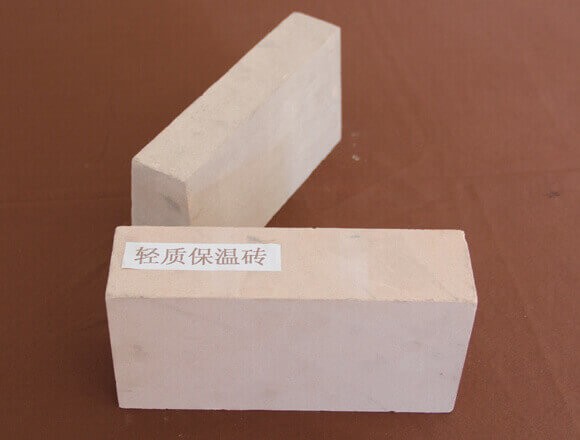
At the core of insulation brick performance lies the concept of heat transfer. Lower density bricks contain more enclosed air pockets, which act as thermal barriers, reducing heat conduction. Conversely, higher density bricks have fewer voids, which can increase their mechanical strength but diminish their insulating properties. This trade-off forms the basis of material selection for CH REFRACTORIES’ clients.
Key Factors:
- Thermal Conductivity: Lower density usually results in lower thermal conductivity, improving the brick’s insulation capability.
- Mechanical Strength: Higher density bricks are typically stronger and more resistant to mechanical stress.
- Thermal Shock Resistance: Properly balanced density helps resist thermal cycling and prevents cracking.
Categories of High Temperature Insulation Bricks by Density
CH REFRACTORIES classifies high temperature insulation bricks into several categories based on density:
| Brick Type | Density Range (kg/m³) | General Application |
|---|---|---|
| Ultra-lightweight | 400-700 | Back-up insulation layers |
| Lightweight | 700-1100 | Intermediate & hot face lining |
| Medium density | 1100-1400 | Structural layers & higher load zones |
| Dense | 1400+ | Severe mechanical conditions |
Each category is engineered for optimal performance in specified service conditions. The choice depends on balancing insulation needs against mechanical and thermal stresses.
Density’s Impact on Physical and Chemical Properties
1. Thermal Conductivity
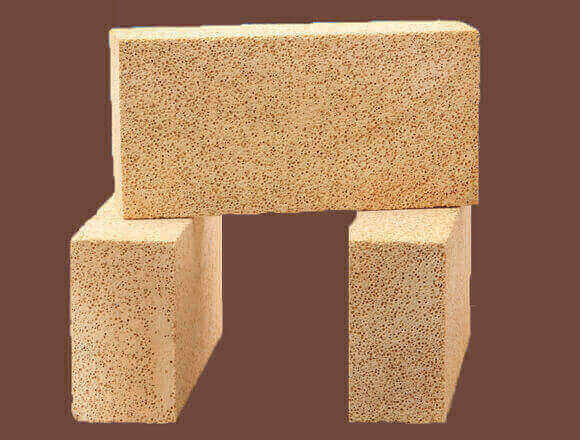
Thermal conductivity refers to the rate at which heat passes through a material. Lower density insulation bricks, like those produced by CH REFRACTORIES, trap more air. Air is a poor conductor of heat, thus bricks with lower density provide enhanced insulation. This makes them ideal for reducing heat loss in industrial kilns, which leads to significant energy savings over time.
2. Compressive Strength and Durability
As density increases, so does the compressive strength of the brick. High-density insulation bricks are better suited for applications where mechanical load, abrasion, or impact is significant. CH REFRACTORIES often recommends these for hot face linings in zones exposed to heavy wear and tear. However, the trade-off is a modest decrease in insulation capability.
3. Thermal Shock Resistance
Thermal shock occurs when bricks are subjected to rapid temperature changes. Bricks with balanced density—neither too light nor too dense—exhibit optimal thermal shock resistance. They can withstand repeated heating and cooling cycles without cracking or spalling. This property is crucial in processes with fluctuating operating temperatures.
4. Chemical Stability
Density also affects the porosity of the brick, which in turn impacts its resistance to chemical attack. Lower density bricks can absorb more gases or slags, potentially reducing their lifespan in aggressive environments. CH REFRACTORIES addresses this by engineering surface treatments and optimizing pore structure to enhance chemical resistance without sacrificing insulation values.
Practical Applications and Case Studies
Different industrial sectors have varying demands for insulation brick density. At CH REFRACTORIES, materials engineers work closely with clients to determine the right balance between density and performance for each application.
1. Steel Industry
Steel plants require insulation bricks with higher density for furnace walls and hearths, where mechanical stress and slag resistance are paramount. Lower density bricks serve as backup insulation to minimize heat loss and save energy.
2. Ceramics and Glass Industry
Here, low-density insulation bricks are prevalent, especially for kiln linings where temperatures are high and energy efficiency is critical. The bricks’ low thermal mass allows for quick heating and cooling, improving operational flexibility and reducing fuel consumption.
3. Non-Ferrous Metallurgy
Insulation bricks must balance resistance to aggressive slags and fumes with low thermal conductivity. CH REFRACTORIES tailors brick density to suit the specific thermal and chemical profiles of each plant.
Innovations in Density Control by CH REFRACTORIES
Zhengzhou Caihua Kiln Masonry Installation Co., Ltd is at the forefront of research and development in insulation brick technology. The company’s state-of-the-art production lines enable precise control over density through:
- Advanced raw material selection and blending
- Optimized forming and firing processes
- Incorporation of lightweight aggregates such as expanded perlite, vermiculite, or alumina bubbles
- Pore-forming agents to tailor microstructure
By leveraging these techniques, CH REFRACTORIES delivers bricks with densities fine-tuned for each customer’s thermal and mechanical requirements.
Performance Testing and Quality Assurance
Each batch of insulation bricks manufactured by CH REFRACTORIES undergoes rigorous testing for density, thermal conductivity, compressive strength, and chemical stability. This ensures consistent quality and optimal performance in demanding industrial environments. The company’s laboratory staff use advanced instruments to meticulously analyze each product, providing clients with reliable data for engineering calculations.
Economic Implications of Density Selection
The density of insulation bricks directly impacts project economics. Lower density bricks, while offering excellent insulation, may not be suitable for areas with high mechanical stress, potentially leading to premature failure and increased maintenance costs. Conversely, using overly dense bricks in all areas can result in excessive heat loss and higher fuel bills. CH REFRACTORIES assists customers in balancing initial material costs with long-term operational savings through tailored density solutions.
Energy Efficiency and Sustainability
Energy efficiency regulations are increasingly stringent worldwide. Selecting the proper density insulation brick can reduce a facility’s carbon footprint and operational expenses. CH REFRACTORIES partners with clients to design sustainable thermal linings that maximize energy conservation without compromising safety or durability.
Customization and Consultation
Every industrial facility has unique requirements based on process temperatures, load conditions, and chemical environments. CH REFRACTORIES provides personalized consultation, using state-of-the-art simulation and modeling to recommend the ideal combination of insulation brick densities for each project. This ensures optimal heat management, extended service life, and minimized operational costs.
Future Trends in Insulation Brick Density
Ongoing research at CH REFRACTORIES includes developing ultralight, high-strength insulation bricks through nanotechnology and improved pore engineering. These innovations aim to further enhance the energy efficiency and durability of refractory linings in high-temperature applications. The company’s commitment to continuous improvement ensures that clients benefit from the latest advances in insulation material science.
Choosing the Right Insulation Brick Density with CH REFRACTORIES
When selecting high temperature insulation bricks, consider the following factors:
- Maximum operating temperature
- Mechanical loads and abrasion risks
- Chemical exposure
- Energy efficiency targets
- Service life expectations
CH REFRACTORIES offers expert guidance at every stage of the project, from material selection to installation and after-sales support. With a robust technical team and extensive product portfolio, the company is a trusted partner for high-performance insulation solutions worldwide.
Summary Table: Density Effects on Insulation Brick Performance
| Density | Thermal Conductivity | Compressive Strength | Thermal Shock Resistance | Best for |
|---|---|---|---|---|
| Low | Very low (good insulation) | Lower | Moderate | Back-up insulation, energy conservation |
| Medium | Low | Balanced | High | General hot face lining |
| High | Higher (less insulation) | High | Medium | High load, wear-intensive zones |
Why Partner with CH REFRACTORIES?
As a leading manufacturer and installer of refractory materials, Zhengzhou Caihua Kiln Masonry Installation Co., Ltd (CH REFRACTORIES) combines technical expertise with decades of field experience. The company’s advanced manufacturing capabilities, stringent quality control, and commitment to innovation make it a preferred supplier for high temperature insulation solutions globally. Whether your priority is superior energy efficiency, enhanced mechanical durability, or balanced performance, CH REFRACTORIES delivers tailored products and professional support to ensure your project’s success.
Tags:Refractory application,Fire Brick,Functional Refractory,Functional Refractory supplier