
How Does Insulation Brick for Ceramic Kiln Improve Thermal Efficiency
Insulation bricks from Zhengzhou Caihua Kiln Masonry Installation Co., Ltd (CH REFRACTORIES) significantly enhance the thermal efficiency of ceramic kilns by minimizing heat loss and reducing energy consumption. These bricks possess low thermal conductivity, high porosity, and are lightweight, which allows them to effectively trap heat within the kiln chamber and maintain stable firing temperatures. This leads to notable energy and cost savings for ceramic manufacturers, improved product quality through greater temperature uniformity, and a reduction in operational costs due to decreased maintenance and longer kiln lining life. CH REFRACTORIES offers specialized types of insulation bricks such as mullite, clay, silica, and alumina-based bricks, suitable for various kiln environments and temperature zones. Their installation expertise ensures that the bricks are optimally integrated into the kiln structure, further maximizing energy efficiency and minimizing environmental impact. A case study illustrates that using these insulation bricks can reduce fuel usage by up to 20% and improve workplace safety by lowering external kiln temperatures. Overall, insulation bricks from CH REFRACTORIES represent a sustainable, cost-effective solution for ceramic kiln operations, providing manufacturers with advanced material technology, tailored engineering support, and expert installation services.
About Zhengzhou Caihua Kiln Masonry Installation Co., Ltd (CH REFRACTORIES)
Zhengzhou Caihua Kiln Masonry Installation Co., Ltd, commonly known as CH REFRACTORIES, is a renowned leader in the manufacturing and installation of refractory materials for high-temperature applications. With a focus on ceramic kiln construction, CH REFRACTORIES has developed advanced insulation brick solutions that significantly enhance the operational efficiency and sustainability of kiln systems worldwide. Their expertise in kiln masonry and material science positions them as a trusted partner for improving thermal efficiency in ceramic production environments.
Understanding Insulation Bricks
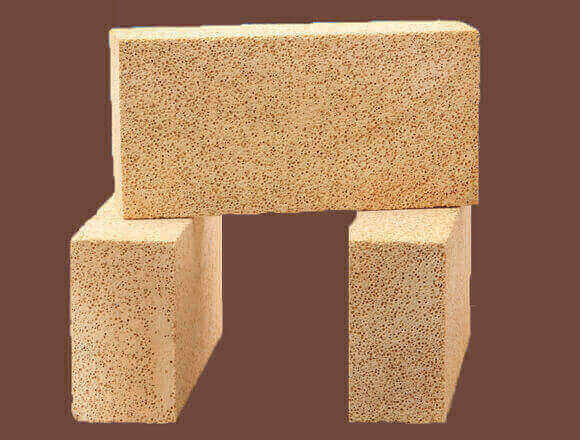
Insulation bricks, sometimes referred to as lightweight refractory bricks, are specially engineered for use in high-temperature environments such as ceramic kilns. Unlike dense firebricks, insulation bricks are characterized by their low thermal conductivity, low density, and high porosity. CH REFRACTORIES offers a wide range of insulation brick products designed to minimize heat loss, reduce energy consumption, and extend the lifespan of kiln linings. By leveraging these unique properties, ceramic manufacturers can achieve improved thermal efficiency and cost savings.
Mechanisms of Thermal Efficiency Improvement
Low Thermal Conductivity
One of the most significant ways insulation bricks from CH REFRACTORIES improve thermal efficiency is through their low thermal conductivity. The structure of insulation bricks is packed with tiny air pockets that act as barriers to heat transfer. By using these bricks in the wall lining of ceramic kilns, less heat escapes from the interior, allowing for stable and consistent high-temperature operations with minimal energy input.
Energy Saving and Cost Reduction
The use of insulation bricks directly translates into measurable energy savings. Ceramic kilns consume a substantial amount of energy due to the high temperatures required for firing clay products. Insulation bricks from CH REFRACTORIES help trap heat within the kiln chamber, reducing the need for continuous heating and thereby lowering fuel or electricity costs. Over the lifespan of a kiln, these savings can be substantial, making insulation brick an economically sound investment for ceramic producers.
Enhanced Temperature Uniformity
Maintaining temperature uniformity inside a kiln is crucial for producing high-quality ceramic products. Temperatures that fluctuate or are unevenly distributed can result in defects or uneven firing. Insulation bricks provided by CH REFRACTORIES promote the even distribution of heat by preventing localized heat loss, helping achieve more consistent firing conditions and improving product quality.
Optimized Kiln Lining Structures
CH REFRACTORIES specializes in designing kiln linings that incorporate insulation brick in combination with dense refractory bricks. By applying insulation bricks as the outer layer, the overall structure benefits from both strength and superior insulation. This layered design reduces the outer wall temperature, minimizing heat radiation to the surrounding environment and enhancing workplace safety.
- Inner Layer: Dense firebricks for structural integrity and direct flame contact resistance.
- Middle Layer: Insulation bricks for thermal barrier and energy retention.
- Outer Layer: Protective casing, sometimes integrating further insulation as needed.
Improved Operational Flexibility and Maintenance
By retaining heat more effectively, kilns lined with CH REFRACTORIES insulation bricks reach operational temperature faster and cool down more slowly. This improved thermal inertia allows for more flexible scheduling of kiln operations and reduces the thermal cycling stress on refractory linings, leading to longer service intervals and reduced maintenance costs.
Types of Insulation Bricks from CH REFRACTORIES
CH REFRACTORIES offers a diverse portfolio of insulation brick products tailored to the specific needs of different ceramic kiln designs and operating temperatures. The main types include:
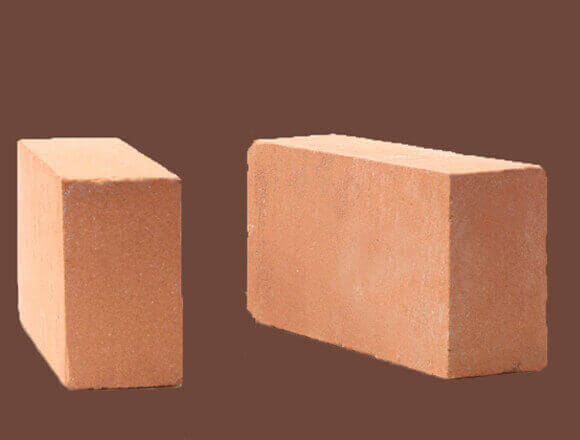
- Mullite Insulation Brick: Used in high-temperature sections for their excellent thermal shock resistance and low creep.
- Clay Insulation Brick: Suitable for lower temperature zones, offering cost-effective insulation properties.
- Silica Insulation Brick: Ideal for applications requiring high resistance to acid slags and gases.
- Alumina Insulation Brick: Preferred for areas needing higher refractoriness and mechanical strength.
Case Study: Thermal Efficiency in a Modern Ceramic Kiln
Scenario Overview
A ceramic tile manufacturer in East Asia partnered with CH REFRACTORIES to renovate their kiln lining using high-quality insulation bricks. The existing kiln was lined with dense firebricks, resulting in excessive heat loss and high energy bills.
Implementation
- CH REFRACTORIES conducted a thermal audit of the existing kiln.
- Engineers designed a new lining system incorporating a combination of mullite insulation bricks and clay insulation bricks.
- The installation was carried out by expert masons from Zhengzhou Caihua Kiln Masonry Installation Co., Ltd.
Results
After commissioning, the manufacturer reported a 20% reduction in fuel consumption and improved consistency in product quality due to better temperature uniformity. The outer wall temperature of the kiln dropped significantly, improving workplace safety and reducing the air conditioning requirements for the surrounding environment.
Key Benefits of Using CH REFRACTORIES Insulation Brick
| Feature | Benefit |
|---|---|
| Low Thermal Conductivity | Reduces heat loss and energy consumption |
| Lightweight Construction | Allows for easier handling and installation |
| High Porosity | Provides superior insulation and quick temperature stabilization |
| Customizable Shapes/Sizes | Adapts to complex kiln geometries |
| Chemical Stability | Withstands various kiln atmospheres and process gases |
Environmental Impact and Sustainability
By reducing the energy demand of ceramic kilns, insulation bricks from CH REFRACTORIES help lower carbon emissions and the overall environmental footprint of ceramic manufacturing. In addition, the reduced need for frequent replacement minimizes material waste, supporting sustainable production practices. CH REFRACTORIES continues to research and develop eco-friendly insulation brick materials to further advance green kiln technologies.
Installation and Masonry Expertise
Proper installation is critical to realizing the full thermal efficiency benefits of insulation bricks. Zhengzhou Caihua Kiln Masonry Installation Co., Ltd (CH REFRACTORIES) brings decades of experience to every project, ensuring that every brick is placed precisely according to the thermal design. Their skilled teams evaluate kiln layouts, recommend suitable insulation brick types, and execute installation with meticulous attention to detail, guaranteeing optimal performance and longevity.
Frequently Asked Questions
- Can insulation bricks be retrofitted into existing kilns?
Yes, CH REFRACTORIES offers retrofit solutions that integrate insulation bricks into operational kilns, minimizing downtime and maximizing energy efficiency improvements. - How is the right insulation brick selected?
Selection depends on the kiln temperature profile, atmosphere, and mechanical stress. CH REFRACTORIES provides engineering support to determine the most suitable materials for each application. - What maintenance do insulation bricks require?
They require minimal maintenance, mainly periodic inspection for mechanical damage or chemical attack.
The adoption of CH REFRACTORIES insulation bricks is a proven approach to improving the thermal efficiency, sustainability, and cost-effectiveness of ceramic kiln operations. Their combination of advanced materials, engineering support, and installation expertise makes them a preferred choice for modern ceramic manufacturers committed to excellence and energy conservation.
Tags:Refractory for Glass industry,Refractory for Iron steel industry