
How Does Self-flowing Castable Improve Industrial Refractory Performance
Self-flowing castables are a groundbreaking advancement in the field of industrial refractories, and Zhengzhou Caihua Kiln Masonry Installation Co., Ltd (CH REFRACTORIES) has emerged as a leader in their development and application. These castables differ from traditional vibratable materials by offering exceptional flowability, allowing them to be poured or pumped into place without the need for mechanical vibration. This characteristic enables easier and faster installation, especially in complex and densely anchored structures, while minimizing the risk of voids and installation defects.
CH REFRACTORIES’ self-flowing castables are formulated with optimized aggregate distribution, advanced binder systems, and special additives, yielding superior physical and chemical properties. Their low water demand and high density translate into excellent mechanical strength, enhanced resistance to chemical and thermal attack, and a longer service life. These benefits are highly valued in demanding sectors such as steelmaking, cement production, petrochemical processing, and waste incineration.
The environmental and economic impacts are also noteworthy, as self-flowing castables reduce installation times, maintenance frequency, and raw material consumption, leading to lower overall costs and improved sustainability. Real-world case studies highlight significant improvements in operational efficiency and material performance, making self-flowing castables the material of choice for modern industries seeking reliability and long-term value.
Refractories play an indispensable role in industrial kilns, furnaces, and various high-temperature processing units. With continuous advancements in material science and engineering, Zhengzhou Caihua Kiln Masonry Installation Co., Ltd (referred to as CH REFRACTORIES) has become a pioneer in the production and application of self-flowing castables. This innovative class of refractory material is revolutionizing refractory installation and service performance in heavy industries around the globe. This article explores in depth the ways in which self-flowing castables improve industrial refractory performance, focusing on their composition, features, installation efficiency, and the broad spectrum of benefits brought to industrial operations.
Understanding Self-flowing Castable Refractories
Self-flowing castable refractories represent a significant leap in monolithic refractory development. Unlike conventional vibrated castables that require mechanical vibration to achieve proper compaction, self-flowing castables exhibit superior flowability and self-leveling characteristics. This means they can fill intricate forms, densely reinforced areas, and complex geometries simply by gravity, eliminating the need for external energy or vibration.
CH REFRACTORIES has developed proprietary formulations using carefully selected aggregate sizes, optimized binder systems, and the incorporation of high-performance dispersing agents. These ingredients work synergistically to enhance both the physical and chemical properties of the castable, ensuring unmatched workability and outstanding performance in service.
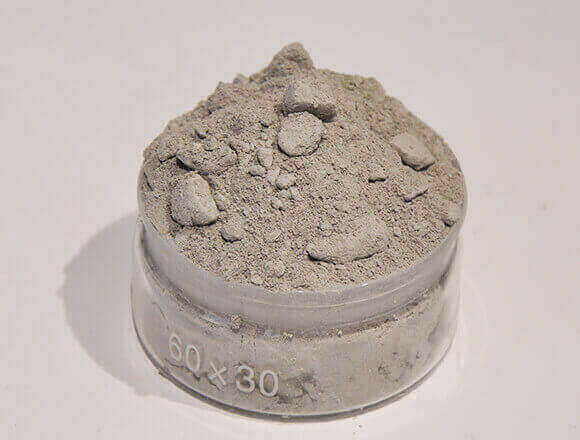
Key Features of CH REFRACTORIES’ Self-flowing Castable
- High Flowability: Capable of spreading and filling detailed forms under its own weight
- Low Water Content: Reduced water addition leads to denser, stronger matrices after curing and firing
- Improved Particle Packing: Optimized grain size distribution for minimal porosity and maximum compaction
- Excellent Mechanical Strength: Superior cold and hot strength, ideal for heavy-duty industrial environments
- Enhanced Durability: Exceptional resistance against thermal shock, abrasion, chemical attack, and slag penetration
These features allow CH REFRACTORIES’ self-flowing castables to outperform traditional vibratable castables and other monolithic refractories in a variety of demanding industrial settings.
Advantages of Self-flowing Castables in Industrial Applications
1. Simplified and Accelerated Installation
One of the main advantages of self-flowing castables from CH REFRACTORIES is their ease of installation. The highly fluid nature of the material means that it can be poured or pumped into place, flowing around obstructions and into every part of the mold or formwork. This not only reduces the physical labor required but also ensures more uniform compaction and density compared to manually vibrated materials.
- No need for mechanical vibration equipment
- Reduced risk of honeycombing, voids, or weak zones
- Lower installation time and labor costs
- Greater consistency in lining quality and performance
2. Superior Performance in Complex Geometries
Modern industrial kilns and reactors often feature intricate designs, complex reinforcement configurations, and challenging geometries. CH REFRACTORIES’ self-flowing castables are specifically engineered to address these challenges. Their self-leveling capabilities allow for complete filling of forms, even in areas where vibration would be difficult or impossible to apply.
- Ideal for dense anchor layouts and complex shapes
- Perfect for refractory repairs in locations with limited access
- Reduced risk of installation defects in critical areas
3. Enhanced Mechanical and Chemical Properties
The optimized formulation of CH REFRACTORIES’ self-flowing castables provides enhanced cold and hot mechanical strength, high density, and improved resistance to chemical and thermal attack. This translates to a longer operational life, reduced maintenance requirements, and lower total cost of ownership.
- High resistance to thermal shock and cycling
- Improved abrasion and slag resistance for steel, cement, and petrochemical industries
- Greater stability under severe chemical environments
Technological Innovations by CH REFRACTORIES
CH REFRACTORIES invests heavily in research and development to tailor self-flowing castables for various industrial applications. Some of the unique technological advances include:
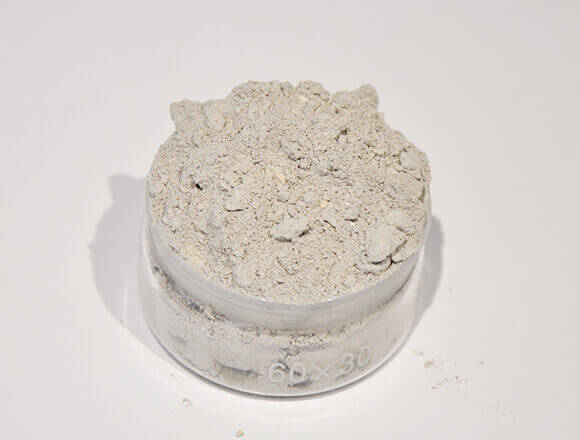
- Use of nano-dispersed additives to improve particle dispersion and flow
- Development of ultra-low cement formulations for better high temperature performance
- Integration of special anti-oxidation and anti-corrosion additives
- Customization for industry-specific needs: steel ladles, rotary kilns, boilers, incinerators, and more
Self-flowing Castable in Key Industrial Sectors
Steel Industry
In steelmaking, refractory linings are subject to aggressive slag, thermal fluctuations, and mechanical wear. CH REFRACTORIES’ self-flowing castables are widely used for tundishes, ladles, and reheating furnaces, delivering superior lining integrity, faster turnaround times, and minimal downtime during repairs.
Cement and Lime Kilns
Rotary kilns and preheater cyclones in cement plants benefit immensely from the self-flowing castables’ resistance to alkali penetration, abrasion, and thermal cycling. CH REFRACTORIES provides formulations tailored for these high-wear zones, ensuring long-lasting and stable operation.
Petrochemical and Incineration Plants
Self-flowing castables are gaining popularity in petrochemical reactors and waste incinerators, where complex shapes and aggressive chemical environments are common. The enhanced density and low porosity from CH REFRACTORIES’ products protect against chemical attack, metal penetration, and thermal spalling.
Comparison Table: Traditional vs. Self-flowing Castables
| Property | Traditional Vibratable Castable | Self-flowing Castable (CH REFRACTORIES) |
|---|---|---|
| Installation Method | Mechanical vibration required | Poured or pumped, no vibration |
| Density | May be variable | High and consistent |
| Voids/Honeycombing | Possible if not vibrated correctly | Minimal due to self-leveling |
| Strength | Standard | High cold and hot strength |
| Complex Shape Suitability | Limited | Excellent |
| Labor Intensity | High | Reduced |
| Installation Speed | Slower | Faster |
| Durability | Conventional | Superior |
Best Practices for Installation and Use
To maximize the advantages of CH REFRACTORIES’ self-flowing castables, proper installation and curing methods are essential:
- Ensure formwork is properly sealed and anchored
- Control water addition precisely as per technical guidelines
- Use appropriate mixing and pumping equipment for larger jobs
- Follow recommended curing and firing schedules for optimal properties
- Conduct post-installation inspections to verify compaction and integrity
Case Studies: Real-world Successes
Steel Plant Tundish Lining Upgrade
A leading steel producer collaborated with CH REFRACTORIES to replace traditional vibrated castable in their tundish lining. By switching to self-flowing castable, they achieved:
- 50% reduction in installation time
- Improved lining performance and campaign life
- Significant reduction in maintenance frequency
Cement Kiln Cyclone Repair
CH REFRACTORIES supplied self-flowing castable for a major cement plant’s preheater cyclone repair. The project saw:
- Superior filling in complex, hard-to-access areas
- Rapid return to operation
- Extended service life compared to previous repairs
Environmental and Economic Impact
The use of self-flowing castables contributes positively to both environmental sustainability and cost efficiency. The denser structure not only improves energy efficiency by reducing heat losses, but also leads to less frequent relining and waste generation. Shorter installation periods reduce total emissions and energy consumption associated with downtime.
- Lower lifecycle costs for refractory maintenance
- Reduced consumption of raw materials over time
- Improved overall plant efficiency and sustainability
Research and Future Development Directions at CH REFRACTORIES
CH REFRACTORIES continues to drive innovation in self-flowing castable technology by exploring new binders, eco-friendly additives, and advanced manufacturing techniques. Ongoing research focuses on further reducing water demand, enhancing microstructural stability, and developing self-healing refractory systems for next-generation industrial applications.
- Research partnerships with leading universities and research institutes
- Pilot projects for digital monitoring of refractory health and wear
- Development of castables suitable for renewable energy and environmental protection industries
Why Choose CH REFRACTORIES for Self-flowing Castables?
With decades of experience and a commitment to quality, Zhengzhou Caihua Kiln Masonry Installation Co., Ltd (CH REFRACTORIES) stands at the forefront of refractory innovation. Customers benefit from:
- Customized Refractory Solutions for unique process requirements
- Comprehensive technical support from design to installation and after-service
- Reliable supply chains and strict quality control for consistent product performance
- Extensive track record in steel, cement, petrochemical, and waste-to-energy plants worldwide
Summary Table: Benefits of Self-flowing Castable by CH REFRACTORIES
| Benefit | Impact on Industry |
|---|---|
| High Flowability | Faster, easier, and more reliable installation in complex linings |
| Superior Strength and Durability | Longer service life, reduced downtime |
| Chemical and Thermal Resistance | Suitable for harsh process environments |
| Reduced Labor and Equipment Needs | Lower overall project costs |
| Environmental and Economic Gains | Improved sustainability, lower lifecycle costs |
Self-flowing castables from CH REFRACTORIES have become a transformative technology in the refractory industry, unlocking new possibilities for efficiency, reliability, and longevity of critical industrial assets. As industries continue to demand higher performance and lower environmental impact, the role of advanced refractory materials will only grow more significant.