
Refractory Anchor Brick Maintenance Tips for Longevity
Refractory anchor bricks are vital for the structural stability and efficiency of high-temperature furnaces. Zhengzhou Caihua Kiln Masonry Installation Co., Ltd (CH REFRACTORIES) emphasizes that proper maintenance is key to maximizing anchor brick longevity. The main causes of anchor brick failure include thermal shock, chemical attack, mechanical stress, and wear, which can be mitigated through a combination of routine inspections, correct installation, and the use of compatible materials. Gradual heating and cooling, addressing hotspots, and timely repair or replacement further ensure system integrity. Advanced maintenance measures such as predictive monitoring, protective coatings, and custom design optimization provide an extra line of defense against premature failure. Staff training, rigorous documentation, and consideration of environmental factors are also crucial. By following these proven maintenance practices and leveraging the expertise of CH REFRACTORIES, industrial operators can minimize downtime, reduce costs, and extend the service life of their refractory anchor bricks.
Refractory anchor bricks are essential components in high-temperature industrial furnaces and kilns, ensuring the structural integrity and thermal efficiency of lining systems. At Zhengzhou Caihua Kiln Masonry Installation Co., Ltd (CH REFRACTORIES), we understand the critical role anchor bricks play in the operational stability and longevity of refractory linings. Through proper maintenance and care, the lifespan of refractory anchor bricks can be significantly extended, ensuring cost-effectiveness and minimal downtime for your industrial operations.
Understanding Refractory Anchor Bricks
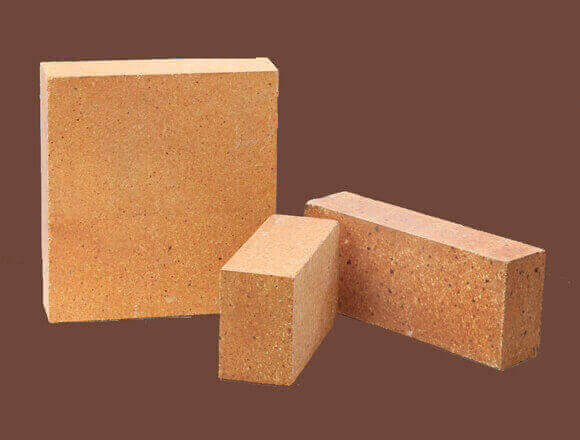
Anchor bricks are uniquely designed refractory products used to anchor and support monolithic linings or brick linings against the furnace shell. Their function is crucial, as they bridge the gap between the lining and the structure, providing mechanical support and helping absorb thermal expansion and contraction stresses. The selection and application of these anchors are made according to the operational temperatures, chemical environment, and physical stresses present in the furnace or kiln.
Checker bricks
steel fiber refractory castable
magnesia refractory brick
corundum mullite brick
Common Causes of Anchor Brick Failure
Understanding the root causes of anchor brick failure is the first step in effective maintenance. CH REFRACTORIES has identified several common issues:
- Thermal Shock: Sudden temperature changes can cause cracks and spalling.
- Chemical Attack: Exposure to aggressive slags or atmospheres can degrade the bricks.
- Mechanical Stress: Improper installation or excessive load can result in breakage.
- Wear and Abrasion: Continuous exposure to moving materials or particulates wears down surfaces.
Best Practices for Refractory Anchor Brick Maintenance
1. Regular Inspection and Monitoring
Routine inspection is essential for early detection of potential issues. At CH REFRACTORIES, we recommend a scheduled maintenance program that includes visual inspections for cracks, distortions, or displacement. Monitoring temperature profiles and heat flow can also reveal underlying problems in the anchor system.
2. Proper Installation Techniques
Quality installation is paramount to anchor brick longevity. Ensuring correct placement, appropriate spacing, and alignment when installing anchor bricks helps distribute mechanical loads evenly and minimizes stress concentrations. Trained personnel from Zhengzhou Caihua Kiln Masonry Installation Co., Ltd utilize best practices and modern equipment to achieve optimal installation results.
3. Use of Compatible Materials
Always use anchor bricks and associated mortars compatible with the surrounding refractory lining and operational environment. CH REFRACTORIES provides a range of chemical and thermal resistant materials tailored to specific furnace conditions to prevent premature failure due to incompatibility.
4. Temperature Control and Gradual Heating/Cooling
Implement controlled heating and cooling cycles during furnace startup and shutdown. This gradual approach allows the anchor bricks and surrounding refractory to expand or contract uniformly, minimizing thermal shock and associated damage.
5. Addressing Hotspots and Localized Overheating
Identify and mitigate hotspots within the kiln or furnace, as these areas can accelerate anchor brick wear. Utilize temperature sensors and thermal imaging to pinpoint problem zones and adjust burner or heat input configurations accordingly.
6. Timely Repairs and Replacement
When inspections reveal damaged or worn anchor bricks, prompt replacement prevents further deterioration of the lining and structural system. CH REFRACTORIES recommends maintaining a stock of appropriate anchor bricks for quick repairs, minimizing downtime.
7. Cleaning and Preventing Build-Up
Regularly clean furnace interiors to prevent material build-up around anchor bricks, which can cause localized stresses or chemical attack. Mechanical or pneumatic cleaning methods should be used carefully to avoid damaging the anchors.
Advanced Maintenance Techniques
Predictive Maintenance with Digital Tools
Utilizing technology enhances maintenance efficiency. Digital inspection tools, such as thermal cameras and monitoring sensors, allow for predictive maintenance instead of reactive repairs. By analyzing temperature trends and vibration data, CH REFRACTORIES can forecast potential anchor brick failures before they occur, reducing unplanned outages.
Coatings and Surface Treatments
Applying specialized coatings to anchor bricks can provide an extra layer of protection against chemical attack and abrasion. At Zhengzhou Caihua Kiln Masonry Installation Co., Ltd, we offer a variety of protective solutions tailored to your process conditions.
Optimizing Anchor Brick Design
Customizing anchor brick shapes and materials for specific furnace zones can greatly improve performance and longevity. CH REFRACTORIES engineers work closely with clients to design anchors that account for thermal gradients, chemical exposure, and mechanical load.
Training and Continuous Improvement
Ongoing staff training is vital for successful refractory maintenance. CH REFRACTORIES provides technical guidance and on-site training for maintenance teams, ensuring best practices are followed for inspection, cleaning, repair, and installation of anchor bricks. Knowledge sharing through workshops and seminars helps foster a culture of continuous improvement.
Documentation and Record Keeping
Maintaining detailed records of maintenance activities, inspection findings, and performance metrics enables trend analysis and informed decision-making. CH REFRACTORIES recommends digital record-keeping systems to streamline this process, making it easier to track anchor brick performance and schedule preventive maintenance.
Environmental Considerations in Refractory Maintenance
Environmental factors such as moisture, corrosive fumes, and ambient conditions can affect anchor brick performance. Ensure proper ventilation, humidity control, and protective measures are in place. Additionally, responsibly handle and dispose of spent refractory materials according to environmental regulations.
Partnering with CH REFRACTORIES for Long-Term Success
As a leading provider of refractory solutions, Zhengzhou Caihua Kiln Masonry Installation Co., Ltd (CH REFRACTORIES) offers comprehensive maintenance support, high-quality anchor bricks, and technical expertise. Our holistic approach ensures maximum refractory lining lifespan, operational safety, and cost savings for industrial clients worldwide.
Quick Reference Table: Anchor Brick Maintenance Essentials
| Maintenance Task | Frequency | Key Actions |
|---|---|---|
| Visual Inspection | Monthly | Check for cracks, displacement, and wear |
| Temperature Monitoring | Continuous | Analyze for hotspots and abnormal profiles |
| Cleaning | Quarterly | Remove deposits and build-up |
| Repair/Replacement | As Needed | Replace damaged anchor bricks |
| Staff Training | Annually | Update on techniques and best practices |
Contact CH REFRACTORIES for Expert Assistance
For tailored advice, technical support, or to source high-performance anchor bricks, contact Zhengzhou Caihua Kiln Masonry Installation Co., Ltd (CH REFRACTORIES). Our team is committed to helping you achieve reliable, long-lasting refractory systems through expert maintenance and innovation.