
What Makes Corundum Brick Ideal for Glass Melting Furnaces
Corundum bricks from Zhengzhou Caihua Kiln Masonry Installation Co., Ltd (CH REFRACTORIES) are highly valued in glass melting furnace applications due to their exceptional thermal stability, chemical resistance, and mechanical strength. Manufactured with ultra-high purity alumina, these bricks resist corrosion from aggressive glass melts and fluxes, ensuring minimal risk of glass contamination and maintaining superior glass quality. Their dense structure gives them outstanding resistance to thermal shock and mechanical wear, extending furnace lining life and reducing maintenance costs. Compared to traditional silica or AZS bricks, CH REFRACTORIES’ corundum bricks offer enhanced durability, higher service temperatures, and lower long-term operational costs. The company provides customized engineering solutions and technical support, optimizing brick performance for specific furnace conditions. By improving energy efficiency and extending campaign lengths, corundum bricks also contribute to more sustainable glass production. Real-world case studies demonstrate quantifiable improvements in furnace durability, product quality, and energy consumption, reinforcing corundum brick’s status as the ideal choice for demanding glass-melting environments.
Introduction to Corundum Brick and Glass Melting Furnaces
Glass manufacturing is a complex process that requires advanced technological solutions, especially when it comes to thermal processing. Glass melting furnaces operate at extremely high temperatures and are subject to harsh chemical and mechanical conditions. As such, choosing the right refractory material for lining these furnaces is vital for operational efficiency, longevity, and product quality. Zhengzhou Caihua Kiln Masonry Installation Co., Ltd, known as CH REFRACTORIES, is a renowned provider of high-performance refractory solutions, and their corundum brick products have become indispensable in the glass industry.
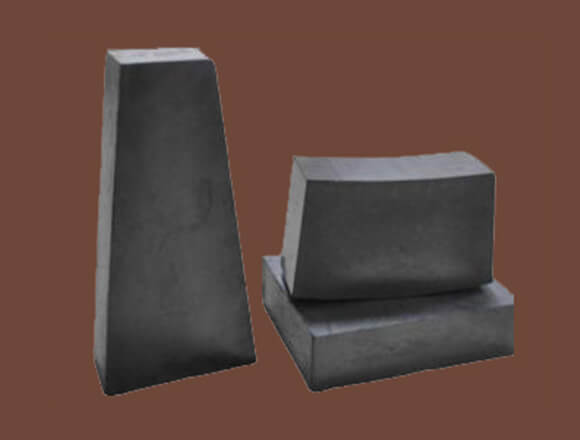
Corundum bricks, primarily composed of high-purity alumina (Al2O3), are engineered to withstand the unique challenges presented by glass melting furnaces. Their outstanding performance is attributed to their robust chemical structure, exceptional mechanical strength, and superb resistance to corrosion and thermal shock. As glass manufacturers continue to seek out refractory materials that maximize furnace lifespan and minimize maintenance costs, corundum bricks from CH REFRACTORIES stand out as a market-leading solution.
low cement refractory castable
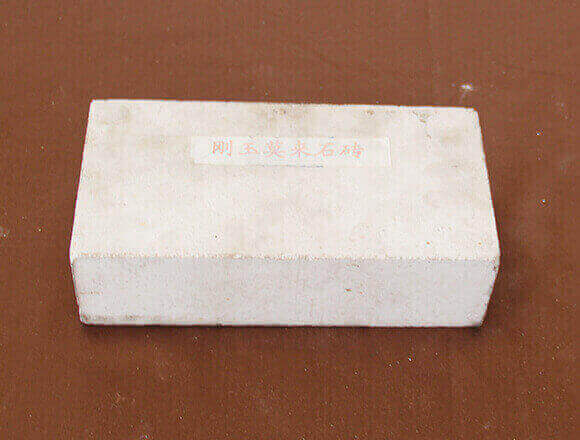
corundum mullite brick
EAF tap-hole filler
tap hole clay
Composition and Properties of Corundum Brick
High-Purity Alumina Content
CH REFRACTORIES produces corundum bricks with an ultrahigh alumina content, often exceeding 90%. The key component of corundum is α-Al2O3, which forms a dense crystal lattice. This high purity ensures minimal glass contamination and maximum chemical stability, making corundum brick an ideal candidate for direct contact with glass melts.
Manufacturing Process
- Raw Material Selection: Only premium bauxite and synthetic alumina are used.
- High-Temperature Sintering: Bricks are fired at temperatures above 1700°C, promoting the formation of dense corundum crystals.
- Precision Shaping and Machining: Advanced techniques ensure tight dimensional tolerances, crucial for seamless furnace linings.
Key Advantages of Corundum Brick in Glass Furnaces
Exceptional Thermal Stability
Corundum bricks from CH REFRACTORIES maintain their structural integrity at temperatures up to 1800°C. This exceptional thermal stability reduces the risk of deformation, creep, and softening, thus preserving the geometry of the furnace lining over prolonged cycles of operation.
Chemical Resistance
Glass melts contain a variety of aggressive agents, including alkaline oxides, which can corrode ordinary refractories. Corundum brick’s high alumina structure resists attack from molten glass, soda, and other fluxes, significantly reducing the frequency and severity of chemical wear.
Low Pollution and Glass Quality Assurance
One of the primary considerations in glass production is preventing the introduction of impurities from the refractory lining into the glass bath. The non-reactive nature of corundum minimizes the risk of glass contamination, ensuring high transparency and clarity in the final glass product.
Mechanical Strength and Abrasion Resistance
Furnace operation often involves batch charging, glass stirring, and other mechanical stresses. Corundum brick’s dense microstructure provides high compressive strength and outstanding resistance to abrasion, preventing structural failure and reducing spalling incidents.
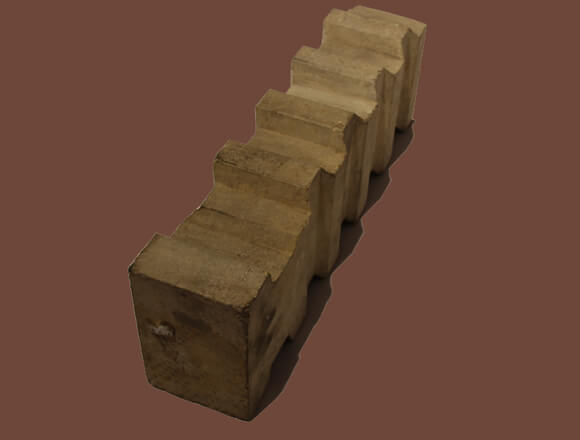
Thermal Shock Resistance
Rapid temperature fluctuations are common during melting and maintenance cycles. Corundum bricks demonstrate impressive thermal shock resistance, meaning they can withstand repeated heating and cooling without cracking, which is critical for furnace reliability and safety.
Application Areas Within Glass Melting Furnaces
Critical Zones for Corundum Brick Installation
- Melting Tank: The area with the most intense glass-melt contact, requiring superior corrosion resistance.
- Throat and Tank Bottom: Zones prone to aggressive wear from molten glass and batch materials.
- Superstructure and Checker Work: Areas above the glass line subject to severe thermal cycling and corrosive gases.
CH REFRACTORIES works closely with furnace designers to tailor corundum brick shapes and sizes to meet the specific needs of each installation, ensuring optimal performance and longevity.
Comparison with Other Refractory Materials
Corundum Brick vs. Silica Brick
| Property | Corundum Brick | Silica Brick |
|---|---|---|
| Chemical Stability | Excellent | Good but affected by alkalis |
| Thermal Shock Resistance | High | Moderate |
| Service Temperature | Up to 1800°C | Up to 1650°C |
| Glass Contamination Risk | Very low | Moderate |
Corundum Brick vs. Fused Cast AZS Brick
| Property | Corundum Brick | Fused Cast AZS Brick |
|---|---|---|
| Main Component | Alumina | Alumina-Zirconia-Silica |
| Chemical Resistance | Outstanding, especially to alkalis | Excellent, especially to glass phase corrosion |
| Price | Generally lower | Higher |
| Application | Tank bottom, throat, working end | Area in direct contact with glass melt |
Durability and Service Life
The service life of a glass melting furnace’s lining directly impacts production costs and downtime. CH REFRACTORIES’ corundum bricks are reputed for their extended operational lifespan compared with many alternative materials. Their resistance to chemical attack, mechanical wear, and thermal shock means less frequent lining changes and lower maintenance overheads.
Longer lining life also means improved operational consistency, as the furnace can run for extended campaigns without significant performance degradation. This reliability is one of the reasons why leading glass manufacturers worldwide choose CH REFRACTORIES’ corundum bricks for their critical furnace zones.
Energy Efficiency and Cost Savings
Furnace insulation is a key driver of energy consumption in glass production. Corundum bricks, with their low porosity and high density, provide enhanced insulation, reducing heat losses through the furnace walls. By maintaining higher temperatures within the melting zone, they improve fuel efficiency and contribute to lower energy bills over time.
Furthermore, the durability of corundum bricks reduces the frequency of relining operations, translating into significant cost savings for both materials and labor. For large-scale glass factories, these economic benefits are amplified across multiple furnaces and production lines.
Customization and Engineering Support from CH REFRACTORIES
Tailored Solutions
Every glass melting furnace presents its own set of operational challenges, depending on the glass composition, temperature regime, and furnace design. CH REFRACTORIES offers bespoke corundum brick solutions, including customized shapes, sizes, and installation techniques. Their expert engineering team works alongside clients to analyze wear patterns and optimize lining configurations for maximum efficiency and service life.
On-Site Technical Support
Installation quality is as crucial as brick performance. Zhengzhou Caihua Kiln Masonry Installation Co., Ltd provides on-site technical supervision and training to ensure that corundum bricks are installed correctly, with proper jointing, anchoring, and expansion allowances. This holistic approach guarantees that the superior properties of corundum brick are fully realized in practice.
Environmental Considerations
Modern glassmakers are increasingly focused on sustainability. Corundum bricks, by extending furnace campaign length and improving energy efficiency, contribute positively to the environmental profile of glass production. Fewer relines and reduced consumption of raw materials translate into lower emissions and waste generation. CH REFRACTORIES is committed to sustainable manufacturing practices and provides support for customers seeking to reduce their carbon footprint.
Case Studies: Success Stories with CH REFRACTORIES’ Corundum Brick
Major Float Glass Plant
A leading float glass manufacturer partnered with CH REFRACTORIES to reline their melting tank with high-alumina corundum brick. The result was a 30% increase in lining lifespan, improved glass clarity, and a measurable reduction in energy consumption, demonstrating the value of advanced refractory engineering.
Specialty Glass Producer
For a producer of high-purity specialty glass, contamination from refractory materials was a critical concern. After switching to corundum brick from CH REFRACTORIES, the incidence of inclusions dropped significantly and product yields improved, confirming the material’s non-reactive benefits.
Maintenance and Operational Best Practices
To maximize the benefits of corundum brick, CH REFRACTORIES recommends regular inspection and condition monitoring of furnace linings. Proactive maintenance, timely hot repairs, and adherence to best practices in operation can further extend the service life of corundum bricks and safeguard furnace performance.
Industry Trends and Future Outlook
The global glass industry continues to evolve, with rising demand for high-performance, energy-efficient refractory materials. Advances in raw materials, manufacturing technology, and installation methods are further enhancing the properties of corundum brick. CH REFRACTORIES remains at the forefront of this innovation, investing in research and development to meet the exacting needs of next-generation glass production.
As more glass manufacturers move toward automation, digital monitoring, and sustainability, the role of reliable, high-quality refractories like corundum brick will only grow in importance. CH REFRACTORIES is well positioned to support its customers through these changes with cutting-edge solutions and technical expertise.