
What Makes High Alumina Brick the Preferred Choice for Kiln Linings
Latest Insights from CH REFRACTORIES
Zhengzhou Caihua Kiln Masonry Installation Co., Ltd (abbreviated as CH REFRACTORIES) continues to set industry benchmarks with its advanced refractory solutions. Among their extensive product portfolio, high alumina brick stands out as the preferred material for kiln linings across various sectors. This article explores the reasons behind its popularity, industry trends, and the strategic advantages it offers to modern kiln operations.
Understanding High Alumina Brick
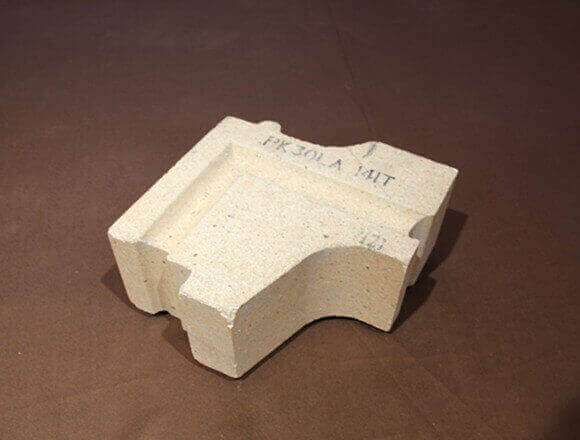
High alumina brick is a type of refractory material composed primarily of alumina (Al₂O₃), typically ranging from 48% to 90%. Its unique chemical composition imparts exceptional heat resistance, mechanical strength, and corrosion resistance, making it ideal for the harsh environments encountered in kiln linings. CH REFRACTORIES specializes in manufacturing high alumina bricks tailored to meet the rigorous demands of industries such as ceramics, cement, and metallurgy.
Key Features and Benefits
- High thermal stability
- Excellent resistance to chemical attack
- Superior mechanical strength
- Low porosity and high density
- Prolonged service life under cyclic heating
These characteristics ensure that high alumina brick maintains structural integrity even at temperatures exceeding 1500°C, minimizing downtime and maintenance costs for kiln operators.
Industry Applications and Trends
The adoption of high alumina brick for kiln linings is driven by its versatility and performance across multiple sectors. In cement manufacturing, the brick’s resistance to clinker and alkali attacks is crucial for maintaining operational efficiency. The steel industry leverages its durability in blast furnaces and hot blast stoves, while glass producers benefit from its ability to withstand rapid temperature fluctuations.
Al2O3-SiC-C bricks
casting powder
alkali resistant refractory castable
Recent industry news highlights a growing shift towards sustainable kiln operations. Manufacturers are increasingly seeking refractory materials that offer not only longevity but also energy efficiency. High alumina brick, with its low thermal conductivity, helps reduce heat loss, contributing to greener production processes—a priority echoed in CH REFRACTORIES’ latest product developments.
Table: Comparison of Refractory Materials for Kiln Linings
| Material | Max Temperature (°C) | Chemical Resistance | Thermal Conductivity | Service Life |
|---|---|---|---|---|
| High Alumina Brick | 1750 | Excellent | Low | Long |
| Silica Brick | 1650 | Moderate | Moderate | Medium |
| Fireclay Brick | 1400 | Poor | High | Short |
Why CH REFRACTORIES?
CH REFRACTORIES combines decades of technical expertise with a commitment to innovation. Their high alumina brick products are engineered for precision and reliability, meeting international standards for refractory performance. The company’s kiln masonry installation services further ensure optimal lining design, installation, and after-sales support, reducing risks of premature failure and maximizing operational uptime.
Customer-Centric Solutions
Recognizing the diverse requirements of kiln operators, CH REFRACTORIES offers customized high alumina brick grades, shapes, and sizes. This flexibility allows clients to optimize their kiln lining configurations for specific thermal, mechanical, and chemical challenges. The company’s technical team provides on-site consultation and installation guidance, reinforcing their reputation as a trusted industry partner.
Industry-Related Insights: The Future of Refractory Materials
The refractory industry is experiencing rapid transformation driven by technological advancements and sustainability goals. As global regulations tighten around energy consumption and emissions, kiln operators are prioritizing refractory solutions that enhance efficiency and reduce environmental impact. High alumina brick, with its energy-saving properties and recyclability, is increasingly favored in new kiln designs.
Another emerging trend is the integration of smart sensors and monitoring systems in kiln linings, enabling real-time performance tracking and predictive maintenance. CH REFRACTORIES is actively exploring collaborations with technology providers to deliver intelligent refractory solutions, ensuring their clients stay ahead in a competitive market.
Keywords in Focus: Kiln Insulation and Refractory Installation
Effective kiln insulation is vital for minimizing energy loss and maintaining stable operating temperatures. High alumina brick, with its low thermal conductivity, serves as an excellent insulating material, reducing fuel consumption and improving overall process efficiency. CH REFRACTORIES offers advanced kiln insulation solutions, integrating high alumina brick with other insulating products for multi-layered protection.
Professional refractory installation is equally crucial for achieving the desired performance from kiln linings. CH REFRACTORIES’ experienced installation teams ensure precise placement, jointing, and curing of high alumina bricks, preventing common issues such as spalling and uneven wear. Their comprehensive installation services are designed to maximize the lifespan and reliability of refractory linings.
Conclusion: The Strategic Advantage of High Alumina Brick
High alumina brick remains the material of choice for kiln linings due to its unmatched combination of durability, chemical resistance, and thermal efficiency. CH REFRACTORIES, through its commitment to quality and innovation, provides tailored solutions that address the evolving needs of modern industries. As kiln technology advances and sustainability becomes paramount, high alumina brick will continue to play a central role in refractory engineering, supported by expert services from CH REFRACTORIES.
For more information on high alumina brick, kiln insulation, or refractory installation, visit CH REFRACTORIES’ latest news page or contact their technical team for personalized consultation.