
What is Fire Brick? A Complete Guide to Refractory Materials by CH REFRACTORIES
Introduction
If you work with high-temperature industrial equipment, own a pizza oven, or simply enjoy learning about construction materials, you’ve likely encountered the term “fire brick.” But what exactly are these special bricks, and why are they essential for applications involving extreme heat?
Fire bricks, also known as refractory bricks, are specialized ceramic materials designed to withstand extremely high temperatures while maintaining their structural integrity. Unlike ordinary building bricks that would crack, spall, or melt under intense heat, fire bricks form the critical barrier between intense heat sources and the external environment in furnaces, kilns, fireplaces, and industrial reactors.
CH REFRACTORIES has been manufacturing premium fire bricks for over two decades, serving industries worldwide with products that combine exceptional heat resistance with long-lasting durability. Our commitment to quality ensures that whether you’re an engineer specifying materials for a steel plant or a homeowner building a backyard pizza oven, you receive refractories that perform reliably under the most demanding conditions.
This comprehensive guide answers all your questions about fire bricks—from their basic composition to advanced selection criteria for industrial applications.
What is Fire Brick? An Introduction to Refractory Materials
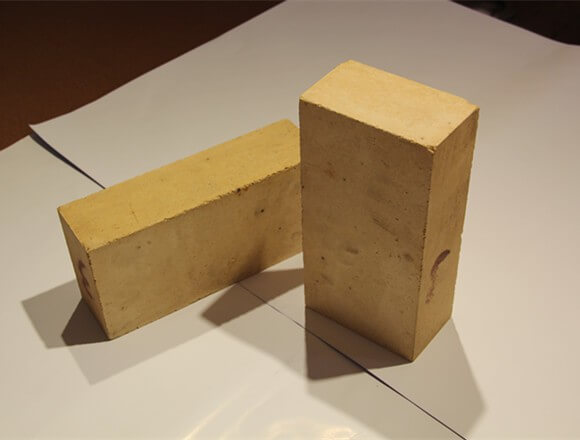
A fire brick (also called refractory brick) is a block of refractory ceramic material specifically manufactured to withstand high temperatures, typically ranging from 1,000°C to over 1,800°C (1,800°F to 3,300°F). These bricks are designed not only to resist heat but also to maintain dimensional stability, resist chemical attack, and provide thermal insulation.
The term “refractory” refers to the material’s ability to retain its strength and chemical properties at high temperatures. Fire bricks accomplish this through careful selection of raw materials and specialized manufacturing processes.
Raw Materials Used in Fire Brick Production
Fire bricks are manufactured from various nonmetallic minerals, with the primary raw materials including:
-
Fireclays: Hydrated aluminum silicates, the most common base material
-
High-alumina minerals: Bauxite, diaspore, and kyanite for enhanced heat resistance
-
Silica sources: Sand and quartzite for acid resistance
-
Magnesia minerals: Magnesite, dolomite, forsterite, and olivine for basic slag resistance
-
Chromite: A solid solution providing excellent corrosion resistance
-
Carbon: Graphite or coke for specialized applications
-
Specialty materials: Zirconia, zircon, and rare-earth elements for extreme conditions
Manufacturing Processes
At CH REFRACTORIES, we employ several forming techniques to ensure optimal product performance:
-
Dry-press process for precise dimensional control
-
Stiff-mud process for uniform density
-
Soft-mud casting for complex shapes
-
Hot-pressing for premium grades
Some materials, particularly magnesite and dolomite, require pre-firing in rotary kilns to achieve sintering and densification before being crushed, sized, and refabricated into final shapes. For the highest-performance applications, raw materials may be fused in electric furnaces and cast directly into molds.
Every batch from CH REFRACTORIES undergoes rigorous quality testing to ensure consistent performance, with certifications including ISO 9001 and product-specific approvals from major industrial clients worldwide.
What are the Application Ranges of Refractory Bricks?
Refractory bricks find applications across virtually every industry that involves high-temperature processes. CH REFRACTORIES products serve clients in diverse sectors globally.
Industrial Applications
Iron and Steel Industry: The largest consumer of refractory bricks, using them in blast furnaces, basic oxygen furnaces, electric arc furnaces, ladles, and reheating furnaces. CH REFRACTORIES offers complete lining solutions for every zone of steel production.
Glass Industry: Highly siliceous, dense fireclay bricks (called flux blocks) line the portions of glass tanks that contact molten glass. Specialized mullite, fused alumina, and zirconia bricks from CH REFRACTORIES provide exceptional durability and chemical inertness for glass furnace applications.
Cement Industry: Rotary kilns, preheaters, and cyclones rely on refractory linings to withstand the extreme temperatures and abrasive conditions of cement production. Our high-alumina and basic bricks are engineered for cement kiln environments.
Ceramic Industry: Kilns for firing pottery, tiles, and technical ceramics require consistent, reliable refractory linings. CH REFRACTORIES supplies both dense and insulating bricks optimized for ceramic production.
Chemical and Petrochemical Industries: Primary reformers, coke ovens, and reactors handling corrosive materials at high temperatures depend on chemically resistant refractories. Our acid-resistant brick series is specifically formulated for these demanding applications.
Aluminum Industry: Carbon bake furnaces and holding vessels use specialized refractories resistant to aluminum and its fluxes. CH REFRACTORIES offers products with low wettability for aluminum contact applications.
Energy Production: Power plants, waste incinerators, and biomass facilities use refractory linings in boilers and flue systems. Our complete range serves every thermal processing need in energy generation.
Domestic and Commercial Applications
Fireplaces and Wood Stoves: Fire bricks line the firebox, protecting the outer structure while radiating heat efficiently. CH REFRACTORIES standard fire bricks are popular choices for residential fireplace installations.
Pizza Ovens: Both commercial and backyard pizza ovens use fire bricks for their heat retention and even heat distribution properties. Our pizza oven brick kits have become favorites among artisan pizza makers.
Barbeques and Outdoor Kitchens: High-end outdoor cooking equipment incorporates fire bricks for consistent temperatures and durability. CH REFRACTORIES supplies custom shapes for premium grill manufacturers.
Key Properties of Fire Brick: Heat Resistance, Insulation and Durability
Understanding the fundamental properties of fire bricks helps in selecting the right product for any application. CH REFRACTORIES engineers each product line with specific property profiles to match diverse service conditions.
Heat Resistance
The defining characteristic of any fire brick is its ability to withstand high temperatures without melting, deforming, or failing. Temperature ratings vary by brick type:
-
Low Duty: Up to 1,150°C (2,100°F)
-
Medium Duty: Up to 1,370°C (2,500°F)
-
High Duty: Up to 1,540°C (2,800°F)
-
Super Duty: Up to 1,760°C (3,200°F)
For industrial high-alumina bricks from CH REFRACTORIES, temperature resistance can exceed 1,800°C, with premium grades reaching even higher for specialized applications.
Thermal Insulation
Fire bricks serve a dual purpose: they resist heat while also preventing it from escaping. This insulating property is measured by thermal conductivity—the lower the conductivity, the better the insulation.
CH REFRACTORIES offers both dense and insulating brick series:
-
Dense bricks: Higher strength but higher thermal conductivity, ideal for hot face applications
-
Insulating bricks (IFB): Lower density with excellent insulating properties, achieved through controlled porosity, perfect for backup insulation and energy savings
Thermal Shock Resistance
Perhaps as important as heat resistance is a brick’s ability to survive rapid temperature changes. Thermal shock occurs when different parts of a brick expand at different rates due to sudden heating or cooling, creating internal stresses that can cause cracking or spalling.
Good fire bricks maintain their strength during rapid temperature fluctuations, resisting spalling and maintaining structural integrity. CH REFRACTORIES high-alumina bricks offer excellent thermal shock resistance, making them suitable for applications with frequent temperature cycling such as periodic kilns and heat treatment furnaces.
Chemical Resistance
In many industrial applications, fire bricks must resist not only heat but also chemical attack from:
-
Molten slags in metal production
-
Acidic vapors in chemical processes
-
Alkaline environments in cement kilns
-
Fluxes in glass furnaces
The chemical composition of a brick determines its resistance profile. CH REFRACTORIES formulates products for specific environments: high-silica bricks excel in acidic environments, while magnesia-based bricks resist basic slags.
Mechanical Strength
Fire bricks in industrial settings often support significant weight while enduring abrasive conditions. Cold crushing strength measures a brick’s ability to withstand compressive loads, with dense bricks offering the highest values. Wear resistance protects against erosion from moving materials or high-velocity gases. CH REFRACTORIES dense bricks are engineered to provide optimal mechanical performance for load-bearing applications.
Types of Fire Brick: Differences Between Dense, Insulating and Acid Resistant Bricks
Fire bricks are not a one-size-fits-all product. CH REFRACTORIES manufactures a complete range of refractory bricks to meet every application requirement.
Dense Fire Bricks
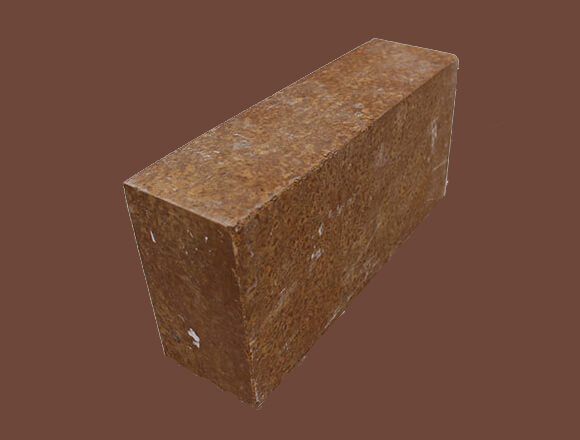
Dense fire bricks are heavy, high-strength refractories designed for applications with extreme mechanical, chemical, or thermal stresses. CH REFRACTORIES dense bricks feature:
-
High density: Typically above 2.0 g/cm³
-
Excellent strength: Cold crushing strength ranging from 230-800 kg/cm²
-
Superior abrasion resistance: Ideal for areas subject to mechanical wear
-
Chemical resistance: Formulated to resist specific chemical attacks
Applications include the interior of wood-fired kilns, furnace hearths, and areas contacting molten materials where abrasion and chemical attack are concerns.
Insulating Fire Bricks (IFB)
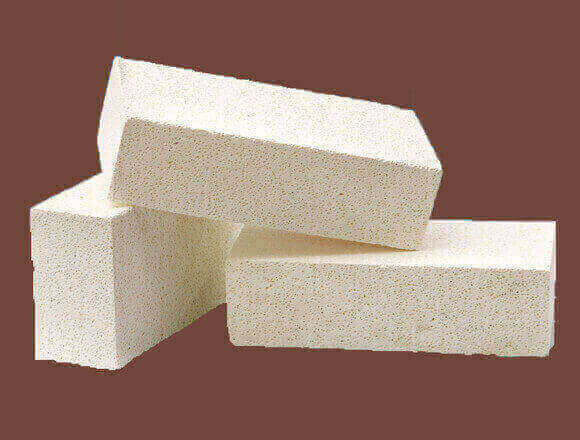
Insulating fire bricks, also called lightweight refractory bricks, are porous bricks designed to minimize heat loss. CH REFRACTORIES insulating bricks offer:
-
Low thermal conductivity: Excellent insulation properties
-
Lightweight: Bulk density typically 0.8-1.0 g/cm³
-
Good thermal shock resistance: Due to their porous structure
-
Lower strength: Not suitable for mechanically demanding applications
Temperature ratings for CH REFRACTORIES insulating bricks range from 1,100°C to 1,700°C, with premium grades reaching 1,800°C.
These bricks are ideal for applications where heat retention matters more than mechanical strength, such as backup insulation behind dense brick layers, electric kilns, and lower-temperature industrial furnaces.
Acid Resistant Bricks
CH REFRACTORIES acid resistant bricks are specifically engineered to withstand chemical corrosion, particularly from inorganic acids like sulfuric, hydrochloric, and nitric acid. Their defining features include:
-
High silica (SiO₂) content: Typically exceeding 95% for maximum acid resistance
-
Extremely low alkali and alkaline earth oxides: Minimizing reactive components
-
Dense microstructure: Low apparent porosity (20-25%) prevents acid penetration
-
Excellent acid resistance: ≥98% acid resistance measured by mass loss tests
Applications include chemical plants, fertilizer factories, acid pickling lines, sulfuric acid towers, and acidic flue gas systems.
High Alumina Bricks
CH REFRACTORIES high alumina bricks contain elevated levels of aluminum oxide (Al₂O₃), typically ranging from 50% to over 90%. Their properties improve with increasing alumina content:
| Alumina Content | Typical Applications | Temperature Rating |
|---|---|---|
| 50-60% | General industrial furnaces | Up to 1,600°C |
| 70-80% | Cement kilns, steel ladles | Up to 1,700°C |
| 85-90% | Glass furnaces, petrochemical reactors | Up to 1,750°C |
| 99% | Extreme applications, laboratory furnaces | Above 1,800°C |
Higher alumina content provides better thermal stability, improved resistance to corrosive chemicals, and lower thermal conductivity.
Fire Clay Bricks
CH REFRACTORIES fire clay bricks are general-purpose refractories made primarily from fire clay and alumino-silicate materials. They offer:
-
Moderate alumina content (typically 30-45%)
-
Balanced thermal and mechanical performance
-
Good refractoriness at affordable cost
-
Wide availability
These bricks work well in boilers, kilns, furnaces, chimneys, and non-corrosive high-temperature environments where specialized chemical resistance isn’t required.
How to Choose the Right Fire Brick for Your Furnace or Kiln
Selecting the optimal fire brick involves evaluating multiple factors. CH REFRACTORIES technical team helps customers worldwide make informed decisions. Here’s a systematic approach to making the right choice.
Step 1: Assess Operating Conditions
Temperature requirements: Determine the maximum temperature your application will reach, including potential temperature spikes. Choose bricks with temperature ratings comfortably above your maximum.
Temperature cycling: If your process involves frequent heating and cooling cycles, prioritize thermal shock resistance. CH REFRACTORIES insulating bricks and certain high-alumina formulations excel here.
Step 2: Evaluate Chemical Environment
Consider what materials will contact the brick surface:
-
Acidic conditions: CH REFRACTORIES acid resistant bricks with high silica content are essential
-
Basic slags: Magnesia or magnesia-chrome bricks from our basic series resist basic attack
-
Glass contact: Specialized low-porosity bricks prevent glass penetration
-
Neutral conditions: Fire clay or high-alumina bricks may suffice
Step 3: Consider Mechanical Factors
Load-bearing requirements: For areas supporting weight, CH REFRACTORIES dense bricks with high cold crushing strength are necessary.
Abrasion potential: If moving materials will contact the brick surface, prioritize wear resistance from our abrasion-resistant grades.
Step 4: Balance Insulation Needs
For energy efficiency, consider whether you need:
-
Single-layer dense brick: Simpler construction but higher heat loss
-
Multi-layer lining: Dense hot face bricks backed by CH REFRACTORIES insulating bricks or boards for optimal efficiency
Step 5: Evaluate Alumina Content
For high-temperature applications, alumina content serves as a reliable indicator of performance. CH REFRACTORIES offers precise alumina grades to match your requirements:
-
50-60% Al₂O₃: General industrial use
-
70-80% Al₂O₃: Severe conditions, cement kilns
-
85%+ Al₂O₃: Extreme temperatures, chemical resistance
Step 6: Verify Dimensions and Tolerances
Standard fire bricks from CH REFRACTORIES measure 9″ x 4.5″ x 2.5″ (230mm x 114mm x 64mm), but we also manufacture specialty shapes and sizes to customer specifications. Ensure your chosen bricks fit your specific furnace or kiln design with minimal gaps that could compromise thermal integrity.
Step 7: Source from a Reputable Manufacturer
CH REFRACTORIES provides:
-
Consistent quality and adherence to international standards
-
Certifications including ISO 9001
-
Comprehensive technical data sheets with verified properties
-
Warranty and technical support
-
Over 20 years of refractory manufacturing expertise
Installation Guide: How to Properly Lay and Maintain Fire Bricks
Proper installation is critical to the performance and longevity of any refractory lining. CH REFRACTORIES provides technical support throughout the installation process.
Pre-Installation Considerations
Site preparation: Before installation begins:
-
Clear space for staging materials and removing old bricks
-
Ensure forklift access and waste collection containers
-
Verify power connections for welding and tools
-
Review lockout/tagout procedures
-
Allow adequate furnace cool-down time
Material inspection: Verify all bricks match specifications and check for damage during transport. CH REFRACTORIES products are packaged to prevent damage, but inspection upon receipt is always recommended.
Installation Process
Mortar selection: Use refractory mortar matched to your brick type and service conditions. CH REFRACTORIES offers compatible mortars for all our brick products. For acid-resistant installations, our compatible acid-resistant mortar is essential.
Joint thickness: Control joint thickness according to specifications. Thin, uniform joints improve performance and reduce weak points.
Brick placement:
-
Start from the bottom for vertical walls
-
Stagger vertical joints like traditional masonry
-
Maintain proper expansion joints to accommodate thermal growth
-
Ensure tight fit to minimize gaps
Curing: Follow CH REFRACTORIES recommendations for drying and curing before first heating. A controlled “dry out” procedure prevents steam buildup that could damage the lining.
Maintenance Best Practices
Daily and weekly inspections: For the first week after installation, inspect daily, then weekly for the first month.
Watch for warning signs:
-
Bricks becoming brittle or cracking
-
Visible seams opening in mortar
-
Exterior walls becoming excessively hot
-
Bricks falling out of place
-
Insulation sagging
Scheduled professional inspections: At regular intervals, have CH REFRACTORIES field service engineers conduct independent inspections to proactively assess condition.
Rebricking and Relining
Most industrial furnaces operating for five to ten years since installation require rebricking or relining. The process involves:
-
Planning: Begin quotes at least one year in advance; place orders with CH REFRACTORIES six months before planned shutdown
-
Disassembly: Remove old bricks while inspecting associated components
-
Rebricking: Install new lining over several days
-
Final inspection: Verify work meets specifications and document changes
-
Dry out and testing: Perform controlled heating and test for temperature uniformity
For carburizing furnaces, additional “seasoning” time allows fresh bricks to absorb carbon until saturated and atmospheres stabilize.
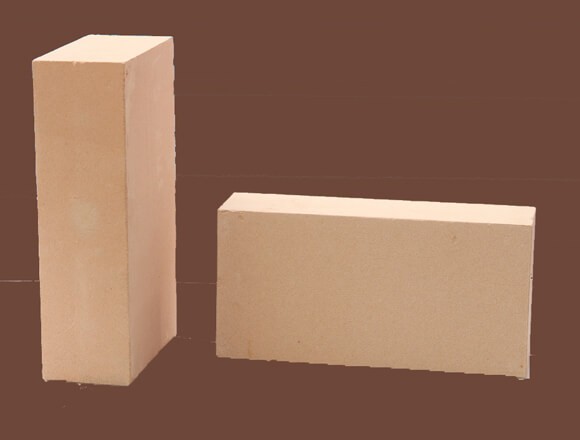
Fire Brick vs. Regular Brick: Critical Differences in Material and Performance
Many people wonder whether ordinary construction bricks can substitute for fire bricks. The answer is a definitive no—the differences are fundamental and significant.
Composition Comparison
| Component | Fire Brick (CH REFRACTORIES) | Regular Brick |
|---|---|---|
| Primary materials | Fireclay, alumina, silica | Clay, shale, concrete |
| Alumina content | 30-99% | 10-25% typically |
| Flux content | Low, carefully controlled | Higher, variable |
Temperature Resistance
-
CH REFRACTORIES fire brick: Withstands 1,100°C to 1,800°C+
-
Regular brick: Begins degrading at 500-800°C, spalls or melts at higher temperatures
Density and Porosity
-
CH REFRACTORIES fire brick: Controlled porosity based on type (dense: 20-25% apparent porosity; insulating: higher)
-
Regular brick: Variable porosity, not optimized for thermal performance
Thermal Properties
-
CH REFRACTORIES fire brick: Engineered thermal conductivity—dense bricks conduct heat efficiently for even temperatures; insulating bricks trap heat
-
Regular brick: Unpredictable thermal behavior at high temperatures
Chemical Resistance
-
CH REFRACTORIES fire brick: Formulated to resist specific chemical attacks
-
Regular brick: Contains fluxes and impurities that react at high temperatures
The Bottom Line
Using regular bricks in high-temperature applications risks:
-
Cracking and spalling that can damage equipment
-
Potential fire hazards from falling bricks
-
Poor thermal efficiency
-
Short service life requiring frequent replacement
For any application involving sustained high temperatures, CH REFRACTORIES fire bricks are the only safe, effective choice.
Technical Specifications: Understanding Alumina Content and Temperature Ratings
For professionals selecting refractory materials, understanding technical specifications ensures optimal performance. CH REFRACTORIES provides comprehensive technical data for all products.
Alumina Content Classification
CH REFRACTORIES fire bricks are commonly classified by their alumina (Al₂O₃) content, which directly correlates with performance:
| Classification | Alumina Content Range | Pyrometric Cone Equivalent (PCE) |
|---|---|---|
| Low-Duty Fireclay | 25-30% | 15-29 |
| Medium-Duty Fireclay | 30-35% | 29-31.5 |
| High-Duty Fireclay | 35-40% | 31.5-33 |
| Super-Duty Fireclay | 40-45% | 33+ |
| 50% High Alumina | 47.5-50% | 34+ |
| 60% High Alumina | 57.5-60% | 35+ |
| 70% High Alumina | 67.5-70% | 36+ |
| 80% High Alumina | 77.5-80% | 37+ |
| 85% High Alumina | 83-85% | 38 |
| 90% High Alumina | 88-90% | 39 |
| 99% High Alumina | 97-99% | 40+ |
Temperature Ratings Explained
Pyrometric Cone Equivalent (PCE): A standardized measure of refractoriness indicating the temperature at which a material softens. Higher numbers indicate greater heat resistance. CH REFRACTORIES provides PCE values for all products.
Maximum Service Temperature: The highest continuous operating temperature a brick can withstand without failing. Always maintain a safety margin between operating temperature and maximum rating.
Thermal Conductivity: Measured in W/m·K, this indicates how readily heat passes through the brick. Lower values mean better insulation. CH REFRACTORIES technical datasheets include thermal conductivity curves across temperature ranges.
Physical Property Specifications
Key physical properties CH REFRACTORIES provides for each product include:
-
Bulk Density: g/cm³ or kg/m³—indicates weight and generally correlates with strength
-
Apparent Porosity: Percentage of open pore space—lower values indicate denser, more slag-resistant bricks
-
Cold Crushing Strength: MPa or kg/cm²—measures load-bearing capacity
-
Permanent Linear Change: Percentage change after heating—indicates dimensional stability
-
Thermal Expansion: Rate of expansion with temperature—critical for expansion joint design
Common Applications in Industries: Steel, Glass, Ceramics and Power Plants
Refractory bricks from CH REFRACTORIES serve as the unsung heroes of heavy industry, enabling high-temperature processes essential to modern life.
Steel Industry
The steel industry represents the largest market for refractory bricks. CH REFRACTORIES serves this sector with comprehensive solutions including:
-
Blast furnaces: Iron production from ore
-
Basic oxygen furnaces: Converting iron to steel
-
Electric arc furnaces: Melting scrap steel
-
Ladles: Transporting and treating molten steel
-
Reheating furnaces: Preparing steel for rolling
-
Tundishes: Distributing steel during continuous casting
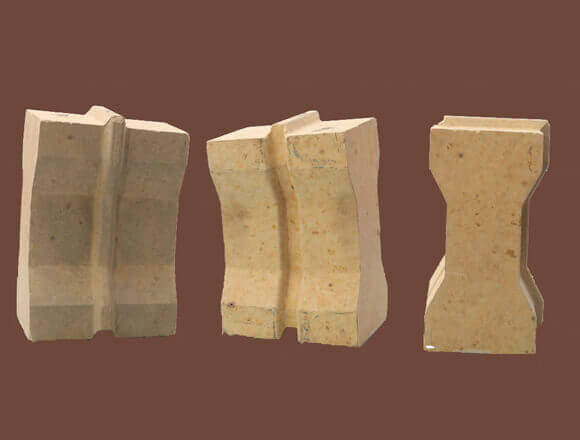
Glass Industry
Glass manufacturing demands exceptional refractory performance due to the corrosive nature of molten glass. CH REFRACTORIES supplies:
-
Glass tank furnaces: Highly siliceous dense fireclay bricks (flux blocks) contact molten glass
-
Mullite bricks: Excellent durability, resist glass penetration
-
Fused alumina bricks: Chemically inert, prevent contamination
-
Zirconia bricks: Zero porosity, exceptional resistance to glass attack
Cement Industry
Cement production involves extreme temperatures and chemically aggressive environments. CH REFRACTORIES products for cement include:
-
Rotary kilns: Basic and high-alumina bricks line the burning zone
-
Preheaters and cyclones: Abrasion-resistant refractories
-
Coolers: Thermal shock-resistant materials
Ceramic Industry
From tiles to advanced ceramics, the industry relies on kilns lined with CH REFRACTORIES:
-
Batch and tunnel kilns: Consistent, reliable linings
-
Roller hearth kilns: Precision refractories
Power Generation
Power plants use CH REFRACTORIES in multiple areas:
-
Boilers: Protection from high-temperature combustion
-
Waste-to-energy facilities: Chemical and thermal resistance
-
Biomass plants: Abrasion and corrosion resistance
Chemical and Petrochemical Industries
These industries demand refractories that resist both heat and chemical attack. CH REFRACTORIES serves:
-
Primary reformers: Hydrogen production
-
Coke ovens: Coal carbonization
-
Reactors: Chemical processing vessels
-
Sulfur recovery units: Acid-resistant linings
Aluminum Industry
Primary aluminum production requires specialized refractories from CH REFRACTORIES:
-
Carbon bake furnaces: Anode production
-
Holding furnaces: Molten aluminum containment
FAQs About Fire Brick: Lifespan, Replacement Signs and Cost Considerations
What is the typical lifespan of fire bricks from CH REFRACTORIES?
Lifespan varies dramatically based on application severity and operating conditions:
-
Industrial furnaces: Typically 5-10 years between major overhauls with CH REFRACTORIES premium grades
-
High-wear areas: May require more frequent replacement
-
Domestic applications: Well-maintained pizza ovens and fireplaces can last decades
-
Acidic environments: CH REFRACTORIES acid-resistant bricks last 5-10 years; standard fire clay bricks may fail in months
What are the signs that fire bricks need replacement?
Watch for these warning indicators:
-
Cracking and spalling: Visible cracks or pieces breaking off
-
Mortar deterioration: Open seams allowing heat penetration
-
Hot spots: Exterior walls becoming excessively hot
-
Brick displacement: Bricks falling or shifting out of position
-
Surface erosion: Noticeable material loss from chemical attack or abrasion
-
Insulation failure: Sagging or deteriorated backup insulation
How much do CH REFRACTORIES fire bricks cost?
Pricing varies by type, quality, and quantity:
-
Standard fire bricks: Contact CH REFRACTORIES sales team for current pricing
-
Insulating bricks: Varies by temperature rating and density
-
Industrial high-alumina bricks: Higher cost commensurate with performance
-
Bulk purchases: Significant volume discounts available for industrial clients
-
Custom shapes: Quoted individually based on complexity
Can I cut CH REFRACTORIES fire bricks to size?
Yes, CH REFRACTORIES fire bricks can be cut using:
-
Masonry saw: Clean, precise cuts
-
Angle grinder with masonry blade: Suitable for smaller projects
-
Brick splitter: For straight, simple splits
For splits (half-thickness bricks), cutting full-size bricks can save money compared to purchasing manufactured splits.
What mortar should I use with CH REFRACTORIES fire bricks?
Always use refractory mortar matched to your specific application. CH REFRACTORIES offers complete mortar systems:
-
High-temperature mortar: For general applications
-
Acid-resistant mortar: Essential with acid-resistant bricks
-
Air-setting or heat-setting: Choose based on installation requirements
Never use ordinary Portland cement or construction adhesives, which will fail at high temperatures.
Do CH REFRACTORIES fire bricks require special cleaning?
Routine maintenance is minimal:
-
Remove ash and debris regularly
-
Inspect for damage periodically
-
Avoid wire brushing soft insulating bricks
-
Address chemical spills promptly in industrial settings
Can different types of CH REFRACTORIES fire bricks be used together?
Yes, multi-layer linings are common and often recommended:
-
Hot face: Dense, chemical-resistant bricks contacting the process
-
Backup insulation: Lighter, insulating bricks or boards from CH REFRACTORIES
-
Thermal barrier: Additional insulation for maximum energy efficiency
How do I dispose of old CH REFRACTORIES fire bricks?
Used fire bricks may contain hazardous materials depending on their service history:
-
Industrial bricks: May require special handling due to chemical absorption
-
Domestic bricks: Often acceptable as clean fill, but check local regulations
-
Chrome-containing bricks: May have specific disposal requirements
CH REFRACTORIES can provide guidance on proper disposal methods for spent refractories.
Why Choose CH REFRACTORIES?
Over 15 Years of Excellence
CH REFRACTORIES has established itself as a trusted manufacturer of high-quality refractory materials, serving clients across six continents. Our commitment to research, development, and quality control ensures that every brick leaving our facility meets the most demanding specifications.
Complete Product Range
From standard fireclay bricks to premium 99% alumina specialties, CH REFRACTORIES offers a complete range of refractory products for every application:
-
Dense fire bricks for structural integrity
-
Insulating fire bricks for energy efficiency
-
Acid-resistant bricks for chemical environments
-
High-alumina bricks for extreme temperatures
-
Custom shapes for specialized equipment
-
Compatible mortars and installation accessories
Technical Support
CH REFRACTORIES doesn’t just sell bricks—we provide solutions. Our team of refractory engineers stands ready to assist with:
-
Material selection for specific applications
-
Installation guidance and troubleshooting
-
Performance optimization
-
Custom product development
Quality Assurance
Every CH REFRACTORIES product undergoes rigorous testing to ensure:
-
Consistent dimensional accuracy
-
Verified physical properties
-
Guaranteed chemical composition
-
Reliable performance at rated temperatures
Contact CH REFRACTORIES
Ready to discuss your refractory needs? Contact CH REFRACTORIES today:
-
Website: https://www.chrefractory.com
-
Email: info@chrefractory.com
-
Address: Yuanzhuang Town Industrial Park, Xinmi City, Henan province, China 450000
Our technical sales team is ready to help you select the perfect refractory solution for your application, whether you’re building a backyard pizza oven or specifying materials for a million-dollar industrial furnace.
Conclusion
Fire bricks represent one of civilization’s most important enabling technologies, allowing us to harness and contain heat for everything from backyard pizza ovens to massive industrial processes. Understanding the differences between brick types, their properties, and proper selection criteria ensures optimal performance and longevity for any high-temperature application.
Whether you’re specifying materials for a steel mill or building a home pizza oven, the right fire brick choice makes all the difference between a project that performs beautifully for decades and one that fails prematurely. CH REFRACTORIES combines decades of manufacturing expertise with comprehensive product lines and technical support to help you make the perfect choice for your specific requirements.
For specialized applications or unusual conditions, consult with CH REFRACTORIES experienced engineering professionals who can recommend optimal materials based on your specific needs.