
Why Is Ladle Lower Nozzle Material Selection Crucial for Performance
The material selection for ladle lower nozzles is a fundamental determinant of steelmaking efficiency, safety, and quality. Zhengzhou Caihua Kiln Masonry Installation Co., Ltd (CH REFRACTORIES) underscores the importance of choosing refractory materials with optimal thermal, chemical, and mechanical properties to withstand the harsh operating environment of steel ladles. Key factors include resistance to thermal shock, corrosion from slags, abrasion from molten steel flow, and compatibility with slide gate systems. Common materials such as alumina-graphite, zirconia, magnesia-carbon, and spinel-based composites offer unique advantages, with each suited to specific operational demands. Material innovation and rigorous quality assurance protocols at CH REFRACTORIES ensure high performance and extended nozzle life, minimizing costly downtime and steel contamination. Safety and environmental sustainability are prioritized through advanced product design and testing. As steelmaking evolves, CH REFRACTORIES continues to develop new materials and smart technologies for ladle nozzle applications, providing customized solutions and technical support. Strategic material selection not only enhances productivity and cost-effectiveness but also secures safe, reliable steelmaking operations.
The efficient and reliable operation of ladles in steelmaking is pivotal for modern metallurgical processes. Among the critical components is the ladle lower nozzle, which plays a significant role in controlling molten steel flow during casting. Zhengzhou Caihua Kiln Masonry Installation Co., Ltd, known as CH REFRACTORIES, has specialized in advanced refractory solutions, focusing on the intricate dynamics of material selection for ladle lower nozzles. This article delves deeply into why choosing the right material for these nozzles is essential for optimal performance, safety, and cost-effectiveness in steel plants.
Understanding Ladle Lower Nozzles
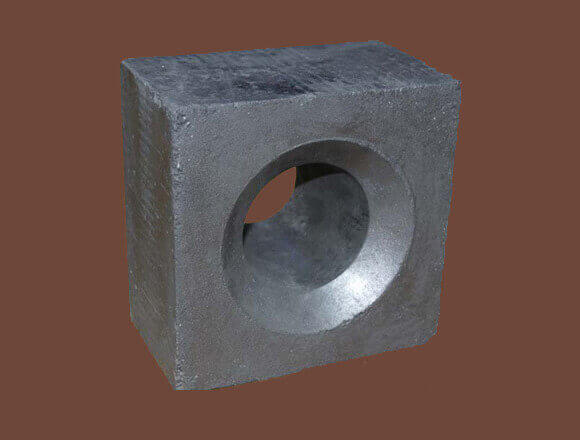
Ladle lower nozzles are installed at the bottom of steelmaking ladles, serving as the critical conduit for releasing molten steel into tundishes or molds. Their significance lies in their direct exposure to harsh chemical, mechanical, and thermal environments. The nozzle must withstand intense temperatures, corrosive slags, frequent opening and closing, and turbulent steel flow without failure.
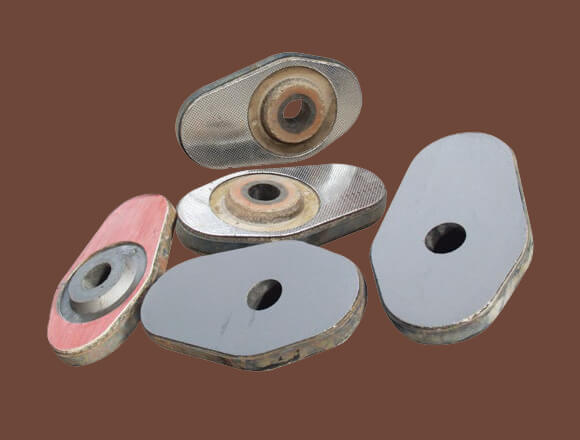
In the context of CH REFRACTORIES, the design and manufacturing of ladle lower nozzles require a deep understanding of refractory science. The nozzles are typically constructed from specialized ceramics or composite materials, each offering distinct advantages and limitations. Material failure can compromise steel quality, increase operational downtime, and escalate maintenance costs.
Key Challenges Facing Ladle Lower Nozzles
- Thermal Shock Resistance: Ladle nozzles must endure rapid temperature fluctuations during each heat, risking thermal spalling and cracks if materials are not carefully chosen.
- Chemical Corrosion: Exposure to aggressive slags and molten steel necessitates materials with excellent chemical inertness and corrosion resistance.
- Abrasion and Erosion: High-velocity steel flow causes mechanical wear, demanding refractory materials of adequate hardness and toughness.
- Structural Integrity: Frequent opening and closing cycles lead to mechanical fatigue, requiring durable material structures.
- Compatibility with Slide Gate Systems: Since the lower nozzle works in tandem with slide gates, materials must complement the performance of adjacent components.
Exploring Material Options: CH REFRACTORIES’ Approach
Material selection is a multi-criteria decision process at CH REFRACTORIES, balancing thermal, chemical, mechanical, and economic factors. Below is an overview of commonly used materials for ladle lower nozzles:
| Material Type | Properties | Advantages | Limitations |
|---|---|---|---|
| Alumina-Graphite | High refractoriness, good thermal shock resistance | Excellent corrosion resistance, low thermal expansion | Susceptible to oxidation, moderate abrasion resistance |
| Zirconia | Superior thermal stability, high chemical inertness | Outstanding corrosion and erosion resistance | High cost, limited supply |
| Magnesia-Carbon | High melting point, strong mechanical strength | Good resistance to slag attack, thermal shock | Carbon oxidation at high temp, complex manufacturing |
| Spinel (Magnesia-Alumina) | Moderate corrosion resistance, good mechanical integrity | Cost-effective, good thermal properties | Lower refractoriness than zirconia or alumina-graphite |
Alumina-Graphite Nozzles
At CH REFRACTORIES, alumina-graphite nozzles are favored for their excellent combination of refractoriness, corrosion resistance, and low thermal expansion. The addition of graphite confers superior resistance to thermal shock, making these nozzles ideal for high-frequency operations. However, care must be taken to prevent oxidation in oxygen-rich environments. Protective measures, such as anti-oxidation coatings, are often employed.
Zirconia Nozzles
Zirconia-based materials represent the pinnacle of corrosion and erosion resistance. They are typically used for ultra-high purity steels and demanding casting applications. CH REFRACTORIES manufactures zirconia nozzles for select customers requiring exceptional service life and resistance to aggressive slags. Their high cost is justified in scenarios demanding minimal contamination and maximum durability.
Magnesia-Carbon Nozzles
Magnesia-carbon composites are widely used for their superior thermal shock resistance and strength. Within CH REFRACTORIES, these nozzles are engineered using high-purity magnesia and synthetic graphite, yielding a robust product capable of withstanding repeated thermal cycling. Special attention is paid to preventing carbon oxidation through protective binders or coatings.
The Impact of Material Choice on Performance and Productivity
The performance of ladle lower nozzles directly influences steel quality, ladle campaign life, and operational costs. CH REFRACTORIES emphasizes that inadequate material selection can result in premature nozzle failure, causing steel leakage, uncontrolled flow, or blockages. These incidents disrupt casting schedules, waste resources, and compromise worker safety.
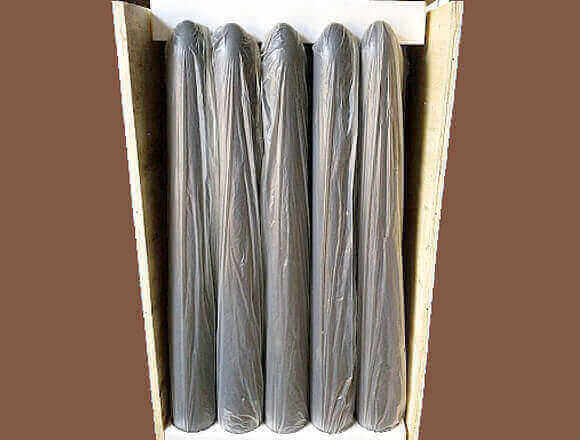
Conversely, optimal material selection extends nozzle service life, reduces downtime, and ensures consistent steel flow. Improved nozzle durability enables longer ladle campaigns, minimizes refractory change-outs, and supports uninterrupted casting operations. CH REFRACTORIES leverages advanced material science to tailor nozzle composition according to customer requirements, steel grades, and casting environments.
Factors Influencing Material Selection
- Steelmaking Process Type: Continuous casting, ladle metallurgy, and specialty steel production each present unique demands.
- Slag Composition: The chemical aggressiveness of slags influences material corrosion rates.
- Temperature Profiles: Average and peak operating temperatures dictate material refractoriness and thermal shock resistance.
- Operational Frequency: Nozzles used in high-turnover operations must prioritize durability.
- Environmental Conditions: Oxygen, moisture, and handling practices affect material longevity.
CH REFRACTORIES collaborates closely with clients to analyze these variables, offering customized solutions that maximize return on investment and minimize unplanned outages.
Case Study: CH REFRACTORIES’ Material Innovation
In a recent project for a high-output steel mill, CH REFRACTORIES engineered a hybrid alumina-zirconia nozzle system to combat severe slag corrosion and frequent thermal cycling. By optimizing the ratio of alumina to zirconia, the nozzle delivered both superior thermal shock resistance and outstanding corrosion protection. The result was a 40% increase in nozzle lifespan, reduced casting interruptions, and improved steel purity.
Such innovations exemplify the company’s commitment to advancing refractory technology and customizing solutions for challenging environments.
Longevity and Cost Considerations
While initial material cost can be significant, CH REFRACTORIES demonstrates that strategic selection reduces lifecycle expenses through longer service intervals and fewer replacements. For instance, a higher investment in zirconia nozzles for specialty steels can yield substantial savings over time by avoiding costly production stoppages and quality rejections. Similarly, advanced magnesia-carbon composites provide cost-effective solutions for standard operations without compromising performance.
Safety and Environmental Aspects
The integrity of ladle lower nozzles is crucial for safe steelmaking. Material failures can result in hazardous steel spills, equipment damage, and environmental contamination. CH REFRACTORIES prioritizes safety by ensuring all nozzle materials are thoroughly tested under simulated casting conditions, adhering to strict industry standards.
Environmental sustainability is also addressed through the development of recyclable and low-emission refractory compositions. By extending nozzle life and reducing waste, CH REFRACTORIES helps steelmakers meet environmental compliance while maintaining high productivity.
Quality Assurance and Testing
Every batch of ladle lower nozzles produced by CH REFRACTORIES undergoes rigorous quality assurance protocols, including:
- Thermal Cycling Tests: Simulating repeated heating and cooling to confirm resistance to thermal shock.
- Chemical Resistance Evaluations: Exposing nozzles to representative slags and steel compositions.
- Mechanical Stress Testing: Assessing toughness and structural integrity.
- Dimensional and Surface Inspections: Ensuring precise fit and finish for reliable operation.
The company’s advanced testing infrastructure guarantees that only the highest quality products reach the customer, minimizing operational risks and maximizing performance.
Future Trends in Ladle Lower Nozzle Material Selection
As steelmaking technology evolves, so do the demands on refractory materials. CH REFRACTORIES is at the forefront of research, exploring new material systems such as nano-reinforced ceramics, self-healing composites, and environmentally friendly binders. The integration of smart sensors into nozzle assemblies for real-time performance monitoring is also underway, enabling predictive maintenance and further reducing downtime.
The continued investment in material innovation ensures that CH REFRACTORIES remains a trusted partner for steel producers seeking reliability, safety, and efficiency in ladle operations.
Customized Solutions and Technical Support
No two steel plants are alike, and material selection for ladle lower nozzles must be customized for each application. CH REFRACTORIES provides tailored technical support, helping customers navigate the complexities of steel grades, casting environments, and economic constraints. Through detailed site assessments, laboratory testing, and on-site installation guidance, the company ensures each ladle lower nozzle delivers maximum value and performance.
Summary Table: Importance of Material Selection
| Performance Criteria | Impact of Material Choice |
|---|---|
| Durability | Extends service life, reduces replacements |
| Steel Quality | Prevents contamination, maintains purity |
| Cost | Optimizes lifecycle expenses, prevents downtime |
| Safety | Minimizes risks of spills and failures |
| Environmental Impact | Reduces waste, supports sustainability |
Tags:Refractory company,Fire Brick,Functional Refractory supplier