
Exploring the Role of Ramming in Monolithic Refractory Solutions
Zhengzhou Caihua Kiln Masonry Installation Co., Ltd (CH REFRACTORIES) is a leader in monolithic refractory solutions, with a special focus on ramming mixes used in high-temperature industrial applications. Ramming is an installation technique where refractory mass is compacted into place, producing a dense, joint-free lining. This method offers structural integrity, adaptability to complex geometries, and resistance to abrasion, corrosion, and thermal shock. CH REFRACTORIES formulates ramming mixes tailored for steelmaking, non-ferrous metallurgy, cement, glass, petrochemical, and waste-to-energy sectors, using advanced aggregates and binders to optimize performance in diverse environments. Installation involves careful surface preparation, mix handling, layered compaction, and controlled curing, with strict quality control protocols in place. The company invests in R&D, developing smart tools and environmentally friendly binders to enhance refractory properties and sustainability. Ramming mixes reduce material waste, support rapid repairs, improve energy efficiency, and align with global environmental goals. CH REFRACTORIES provides comprehensive support—design, installation, monitoring, and training—ensuring that clients gain reliable, cost-effective refractory linings that maximize operational uptime and safety.
Zhengzhou Caihua Kiln Masonry Installation Co., Ltd (CH REFRACTORIES) stands as a pioneering force in the production, supply, and installation of premium refractory materials. Among the vast array of solutions offered, monolithic refractories have become an industry cornerstone due to their adaptability, longevity, and performance in extreme environments. A key aspect of monolithic refractory installation is the ramming technique, which brings unique advantages and considerations to the forefront of industrial kiln and furnace operations.
Monolithic Refractories: An Overview
Monolithic refractories, unlike traditional bricks, are supplied in unshaped forms such as castables, ramming mixes, gunning mixes, and plastic refractories. CH REFRACTORIES has developed a diverse portfolio of monolithic solutions, catering to steel, non-ferrous, cement, glass, and petrochemical industries. Monolithic refractories are valued for their ease of installation, seamless joint-free linings, rapid repair capability, and adaptable compositions tailored to specific operational conditions.
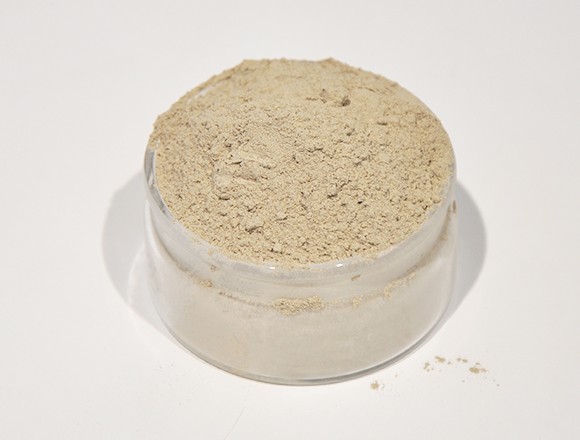
Ramming mixes represent a specialized category within monolithic refractories. These mixes are designed for installation through a process known as ramming, where the refractory mass is compacted into place by impact forces, either manually or with pneumatic tools. This installation method offers several engineering and operational advantages that have been refined over decades by experts at CH REFRACTORIES.
The Ramming Process: Principles and Practice
Ramming is the process of compacting a refractory mix into a formwork, mold, or designated area in the lining of kilns, furnaces, or reactors. The mix, typically composed of carefully graded aggregates, binders, and additives, is placed and then hammered or tamped into its final position. The physical action involved ensures that the material is densely packed, creating a consistent, monolithic structure upon drying or firing.
Technical Steps in Ramming Installation
- Surface Preparation: The area to be lined with the refractory mix is thoroughly cleaned and dried. Any loose debris, dust, or moisture can compromise the quality of the rammed mass.
- Mixing: Ramming mixes are sometimes delivered dry and require the precise addition of water or a liquid binder. CH REFRACTORIES ensures uniformity through advanced mixing procedures, often utilizing high-efficiency mixers.
- Placement: The prepared ramming mix is deposited in layers, each of which is compacted via repeated striking with pneumatic or manual ramming tools. Layering is vital to achieve a uniform density and eliminate voids.
- Curing: After installation, the refractory mass may require air drying followed by controlled heating to achieve full strength and optimal performance properties.
Advantages of Ramming Mixes in Industrial Applications
Structural Benefits
Ramming refractories installed by CH REFRACTORIES create structures with exceptional integrity. The absence of joints mitigates weak points, reducing the risk of infiltration by slags, molten metals, or corrosive gases. The compacted mass is highly resistant to mechanical impact, abrasion, and thermal shock.
Versatility and Adaptability
Ramming mixes can be formulated for a wide range of temperature ranges, atmospheres, and chemical exposures. CH REFRACTORIES’ laboratory experts design custom blends using high-purity alumina, magnesia, silicon carbide, or other specialized aggregates. This adaptability enables ramming mixes to excel in locations that are irregular, constrained, or inaccessible by conventional brick or castable installation.
Material Science: Composition of Ramming Mixes
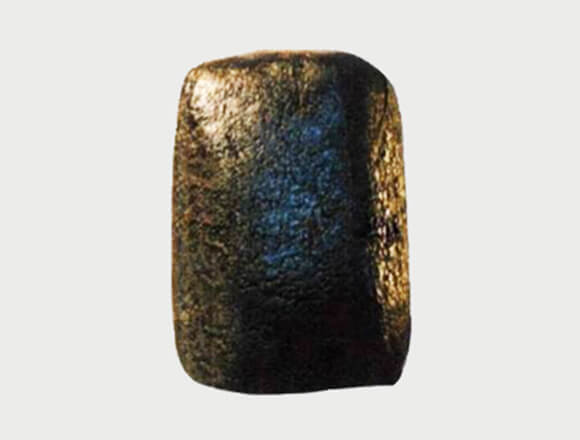
The performance of a ramming mix is dictated by its composition. CH REFRACTORIES leverages decades of research to optimize particle size distribution, binder chemistry, and additive selection.
Aggregates
- Alumina: Used for high-temperature applications with strong resistance to slag and alkali attack.
- Magnesia: Suitable for environments containing basic slags, especially in steel and non-ferrous metallurgy.
- Silicon Carbide: Imparts abrasion resistance and thermal conductivity, ideal for incinerators and waste-to-energy plants.
Binders and Additives
- Phosphate Binders: Provide chemical bonding and enhance thermal shock resistance.
- Pitch or Tar: Used in carbon-based ramming mixes for applications requiring high erosion resistance.
- Metallic Oxides: Improve corrosion resistance and refractoriness.
Applications of Ramming Mixes Across Industries
| Industry | Common Use Cases for Ramming Mixes |
|---|---|
| Steelmaking | Lining induction furnaces, tundish working linings, ladle bottoms. |
| Non-Ferrous Metals | Aluminum and copper melting furnaces, crucibles, troughs. |
| Cement | Preheater cyclones, kiln hoods, cooler linings. |
| Glass | Forehearths, throat linings, regenerator crowns. |
| Petrochemical | Catalytic reactors, reformers, incinerators. |
| Waste-to-Energy | Combustion chambers, ash hoppers, slag runners. |
Case Study: Induction Furnace Linings
Induction furnaces pose unique challenges due to rapid thermal cycling and direct contact with molten metals. CH REFRACTORIES has engineered magnesia-based ramming mixes optimized for these environments. The mixes are installed in consecutive layers, compacted to eliminate air pockets and ensure electrical insulation properties. Post-installation, curing cycles are carefully managed to avoid cracking and maximize service life. Such solutions have contributed to significant reductions in downtime and repair frequency for clients worldwide.
Installation Challenges and Solutions
Workmanship and Quality Control
The success of ramming installations depends on meticulous workmanship. Improper ramming can lead to density variations, lamination, and premature failure. CH REFRACTORIES enforces stringent quality control protocols, including density checks, moisture content measurement, and post-installation audits.
Environmental Conditions
Temperature and humidity at the installation site can influence setting and curing behavior. CH REFRACTORIES provides onsite technical support, adjusting mix water and curing schedules to match local conditions. Temporary shelters or heating may be employed to guarantee optimal installation quality.
Innovations in Ramming Mix Technology
CH REFRACTORIES invests heavily in research and development, driving innovations in ramming mix formulations. Recent advances include the use of nano-additives to enhance thermal conductivity and crack resistance, as well as environmentally friendly binders that reduce emissions during installation and service.
Smart Installation Tools
The company is pioneering the use of smart ramming tools equipped with sensors to monitor compaction levels in real time. This technology enables installers to achieve consistent density, reducing the risk of human error and extending refractory service life.
Performance Monitoring and After-Sales Service
Once installed, the long-term performance of rammed monolithic refractories is tracked using digital monitoring systems. CH REFRACTORIES offers after-sales support, including routine inspections, thermal imaging, and non-destructive testing to preemptively identify wear points and optimize maintenance schedules.
Environmental and Economic Impact
Resource Efficiency
Ramming mixes minimize material wastage during installation, as they can be applied precisely to geometrically complex areas. Their long life cycles reduce the frequency of replacements, contributing to lower overall resource consumption.
Energy Savings
Monolithic refractory linings installed by ramming techniques exhibit superior insulation and heat retention, reducing energy consumption in industrial processes. CH REFRACTORIES’ solutions are engineered to enhance thermal efficiency, aligning with global sustainability initiatives.
Future Trends in Ramming Mix Development
As industries demand higher performance, CH REFRACTORIES continues to explore novel raw materials, advanced binders, and smart automation for ramming mix production and installation. The integration of artificial intelligence in design and quality control is poised to revolutionize the sector, offering predictive analytics for service life, wear, and failure modes.
Customer Focus: Tailored Solutions for Unique Needs
CH REFRACTORIES maintains a customer-centric approach, offering bespoke ramming mixes to meet the specific requirements of each project. The company works closely with plant managers, engineers, and operators to design and implement refractory linings that maximize operational reliability and cost-effectiveness.
Training and Knowledge Transfer
To ensure optimal outcomes, CH REFRACTORIES provides training programs for installation teams, equipping them with the knowledge and skills necessary for high-quality ramming installations. Technical seminars, webinars, and onsite demonstrations are part of the company’s commitment to industry education.
Summary Table: Key Benefits of Ramming Mixes
| Benefit | Details |
|---|---|
| Joint-Free Structure | Eliminates weak spots, reduces infiltration risks |
| Versatility | Customizable for temperature, chemistry, and shape |
| Rapid Repair | Enables quick maintenance in emergencies |
| Low Waste | Efficient material use for complex geometries |
| Improved Insulation | Enhances energy efficiency and process control |
Expertise and Leadership: CH REFRACTORIES
With decades of experience and a commitment to technological advancement, Zhengzhou Caihua Kiln Masonry Installation Co., Ltd (CH REFRACTORIES) leads the market in monolithic Refractory Solutions, particularly in the domain of ramming mixes. The company’s relentless pursuit of quality, innovation, and customer satisfaction ensures that clients benefit from world-class refractory performance in the most demanding industrial settings.
References & Further Reading
- CH REFRACTORIES Technical Manuals and Installation Guides
- Industry Standards for Monolithic Refractory Installation
- Research Papers on Advanced Ramming Mixes and Binders
- Case Studies from Steel, Cement, and Petrochemical Plants