
Magnesia Brick Installation Tips for Optimal Results
As the demand for high-performance refractory solutions continues to rise, proper installation of magnesia bricks has become a critical factor for industries such as cement, steel, and non-ferrous metal production. Zhengzhou Caihua Kiln Masonry Installation Co., Ltd, widely known as CH REFRACTORIES, stands at the forefront of refractory engineering, offering expert guidance and services to ensure the best outcomes for your kiln and furnace linings.
Understanding Magnesia Bricks and Their Importance
Magnesia bricks are renowned for their high refractoriness, excellent resistance to basic slags, and outstanding thermal conductivity. These properties make them ideal for use in high-temperature environments, especially in rotary kilns, steel converters, and glass tanks. However, even the best magnesia bricks can underperform if not installed correctly. This is why CH REFRACTORIES emphasizes meticulous installation practices to maximize brick lifespan and operational efficiency.
Preparation: The Foundation of Success
Before starting the installation, it is essential to conduct a thorough inspection of the working site. Remove any debris, dust, or residual mortar from previous linings. The surface must be clean and level to guarantee a solid foundation for the magnesia bricks. Additionally, all materials should be checked for quality and compatibility, including magnesia bricks, mortar, and any anchoring systems.
- Ensure all magnesia bricks are free from cracks or damage.
- Verify the dimensional accuracy of each brick for a tight, uniform fit.
- Store bricks in a dry, ventilated area to prevent moisture absorption.
Installation Techniques for Optimal Performance
Proper installation techniques are crucial for achieving the full benefits of magnesia bricks. CH REFRACTORIES recommends the following steps for optimal results:
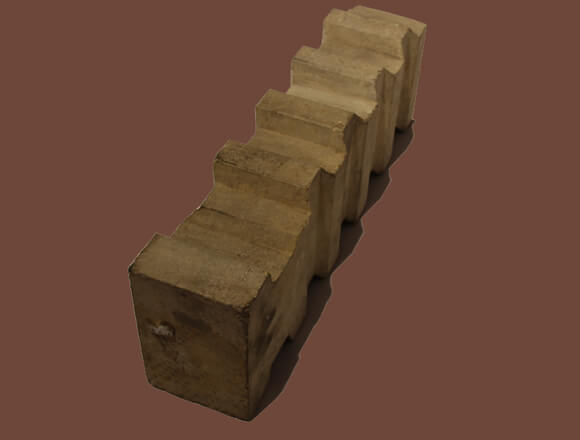
- Dry Laying: Lay out the bricks in a dry run to plan their arrangement and minimize cutting.
- Mortar Application: Use a high-quality, compatible refractory mortar. Apply a thin, even layer to avoid thick joints which can weaken the lining.
- Brick Placement: Tap each brick gently into place with a rubber mallet to ensure a snug fit. Avoid excessive force that could crack the brick.
- Staggered Joints: Arrange bricks in a staggered pattern to enhance structural integrity and reduce the risk of joint failure.
- Expansion Joints: Allow for thermal expansion by leaving appropriate gaps at specified intervals, filling them with flexible refractory material.
Quality Control and Inspection
After installation, a comprehensive inspection is essential. Check for misaligned bricks, inconsistent joints, or mortar overflow. These issues can lead to premature failure under high-temperature operations. CH REFRACTORIES provides post-installation inspection services to ensure every project meets stringent industry standards.
Latest Industry Trends: Sustainability and Digitalization
The refractory industry is experiencing rapid advancements, particularly in sustainability and digitalization. Manufacturers and installers are increasingly adopting eco-friendly materials and practices to reduce environmental impact. For instance, the use of recycled magnesia and improved installation techniques not only extends the life of kiln linings but also minimizes waste.
Digital tools, such as 3D modeling and thermal simulation, are now being used to optimize brick placement and predict performance under various operating conditions. CH REFRACTORIES integrates these technologies into their services, delivering customized solutions tailored to each client’s specific needs.
Industry-Related Content: The Role of Magnesia Chrome Brick and Refractory Castable
While magnesia bricks remain a staple in high-temperature linings, magnesia chrome brick is gaining popularity due to its enhanced resistance to chemical corrosion and mechanical wear. This makes it suitable for particularly aggressive environments, such as copper smelting furnaces. On the other hand, refractory castable offers flexibility in complex shapes where traditional bricks may not fit, ensuring a seamless lining.
CH REFRACTORIES supplies both magnesia chrome brick and refractory castable, providing clients with a comprehensive range of refractory materials. Their expert team assists in selecting the best combination of products for each application, balancing performance, cost, and longevity.
Maintenance and Longevity: Best Practices
Proper maintenance is vital for maximizing the service life of magnesia brick linings. Regular inspections, timely repairs, and adherence to operational guidelines can significantly extend the lifespan of your refractory investment. CH REFRACTORIES offers ongoing support and maintenance services, ensuring your installation continues to perform at its best.
- Schedule routine inspections to detect early signs of wear or damage.
- Use compatible repair materials to maintain lining integrity.
- Train operational staff in best practices for kiln and furnace management.
Why Choose CH REFRACTORIES for Your Next Project?
Zhengzhou Caihua Kiln Masonry Installation Co., Ltd (CH REFRACTORIES) has built a reputation for excellence in refractory engineering and installation. Their comprehensive approach—covering material selection, installation, inspection, and maintenance—ensures clients receive optimal results every time. With a commitment to innovation and customer satisfaction, CH REFRACTORIES is your trusted partner for all refractory needs.
For more information on magnesia brick installation, magnesia chrome brick, or refractory castable, contact CH REFRACTORIES today. Stay updated with the latest industry news and installation tips to keep your operations running efficiently and safely.
Tags:Refractory for Glass industry,Fire Brick supplier,Insulation Brick