
How Does Insulation Enhance Fire Brick for Forge Performance
Insulation serves as a crucial enhancement to Fire Brick linings in forges, significantly improving their performance, efficiency, and safety. As explained by Zhengzhou Caihua Kiln Masonry Installation Co., Ltd (CH REFRACTORIES), pairing fire bricks with insulation such as insulating fire bricks (IFBs) or ceramic fiber products leads to multiple benefits. Insulation minimizes heat loss, resulting in higher thermal efficiency and substantial fuel savings. It also ensures temperature uniformity inside the forge, which is essential for high-quality metalwork and process consistency. The addition of insulation protects the fire bricks from rapid temperature fluctuations, extending their service life and reducing maintenance costs. Operator safety is likewise enhanced, as insulated forges maintain lower external temperatures, minimizing burn risks. CH REFRACTORIES emphasizes that the right selection and installation of insulation materials—tailored to the specific needs of each forge—can transform both small and industrial setups, delivering consistent performance and economic advantages. Real-world case studies demonstrate significant improvements in energy efficiency and product quality with insulated systems. As refractory technology advances, CH REFRACTORIES continues to innovate, offering new solutions that set higher benchmarks for forge performance and sustainability.
In the world of high-temperature industries, forges play a vital role in metalworking, blacksmithing, glassmaking, and various thermal-based processes. At the heart of every high-performing forge lies quality refractory materials, with Fire Bricks being a cornerstone for build quality and thermal management. Zhengzhou Caihua Kiln Masonry Installation Co., Ltd, widely known as CH REFRACTORIES, has built a reputation for delivering advanced Refractory Solutions tailored to the exacting needs of modern forges. This blog explores how integrating insulation with fire bricks not only improves the thermal efficiency of forges but also enhances their safety, durability, and overall performance.
Understanding Fire Bricks in Forge Construction
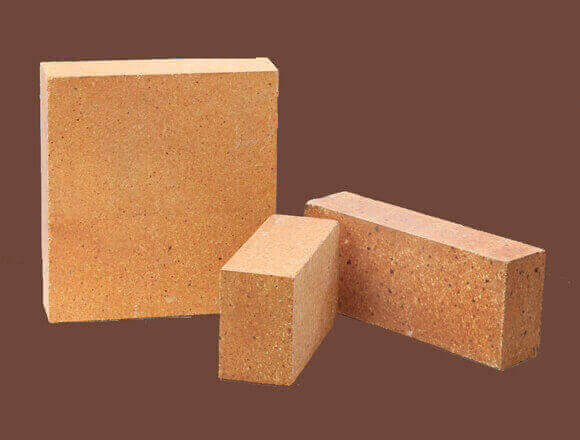
Fire bricks, also known as refractory bricks, are engineered to withstand extreme temperatures without cracking or breaking. They are primarily made from alumina and silica, combined with other materials to ensure strength and longevity. Fire bricks have a low porosity and high compressive strength, making them suitable for lining furnaces, kilns, and especially forges.
The Role of Fire Bricks
- Thermal Resistance: Fire bricks tolerate temperatures upwards of 1,600°C, ensuring the containment of intense heat.
- Structural Support: They provide the backbone for the forge, maintaining the chamber’s shape and protecting the outer shell from thermal damage.
- Wear Resistance: Fire bricks can withstand abrasive forces from fuel, molten metal, and thermal cycling, ensuring long service life.
Why Insulation Matters in Forge Design
While fire bricks are integral to forge construction, combining them with proper insulation is essential to optimize energy efficiency, heat management, and user safety. CH REFRACTORIES emphasizes that insulation acts as a guard, reducing heat loss and maximizing the effectiveness of fire bricks. Let’s delve into how insulation enhances fire brick performance in forge applications.
Benefits of Insulating Fire Bricks
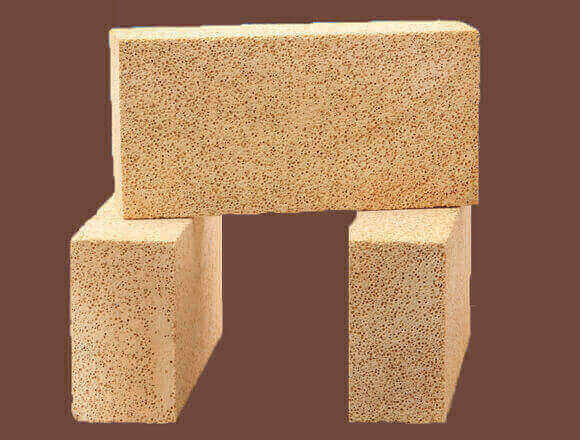
Insulating fire bricks (IFBs) are a variant characterized by low thermal conductivity and lightweight structure. They are made by incorporating foaming agents, resulting in porous bricks that trap air and reduce heat transfer. CH REFRACTORIES offers a range of IFBs tailored for both small-scale and industrial forge applications.
- Energy Efficiency: Insulating fire bricks significantly reduce the amount of heat escaping from the forge, meaning less fuel is required to maintain high internal temperatures.
- Temperature Consistency: They help maintain stable and uniform temperatures within the forge, which is crucial for precise metalwork and process control.
- Operator Safety: The exterior surfaces of forges lined with IFBs remain cooler, minimizing burn risks and improving workplace safety.
How Insulation Enhances Fire Brick Performance in Forges
1. Improved Thermal Efficiency
One of the primary reasons insulation is paired with fire bricks in forge design is to maximize thermal efficiency. CH REFRACTORIES highlights that without proper insulation, even the best fire bricks can allow substantial heat to escape, leading to excessive energy consumption. By introducing insulating layers, the heat generated inside the forge remains concentrated where it’s needed most, reducing operational costs and bolstering productivity.
2. Enhanced Temperature Control and Uniformity
Temperature fluctuations can compromise the quality of work in a forge. Insulating materials, especially insulating fire bricks, help minimize thermal gradients, ensuring that every corner of the forge chamber maintains a consistent temperature. This uniformity is essential for heat treating, forging, and annealing processes, where precision is paramount.
3. Extended Service Life of Fire Bricks
Excessive heat cycling and exposure to thermal shock can degrade fire bricks over time. CH REFRACTORIES notes that insulation acts as a protective buffer, absorbing and dissipating rapid temperature changes. This reduces stress on the fire brick layer, preventing premature cracking and spalling, and thereby extending the forge’s lifespan.
4. Reduced External Temperature and Heat Loss
A forge’s outer surfaces can become dangerously hot, posing safety hazards and reducing energy efficiency. By applying insulation, especially high-efficiency IFBs or ceramic fiber blankets, the external temperature of the forge drops considerably. This not only minimizes radiant heat loss but also creates a safer environment for operators.
5. Optimized Fuel Consumption
Forges require a significant amount of fuel—be it natural gas, propane, or coal—to reach and maintain operational temperatures. With improved insulation, less energy is wasted, and the forge reaches desired temperatures more rapidly. CH REFRACTORIES’ insulated fire brick solutions have enabled countless clients to achieve up to 40% fuel savings, showcasing the direct relationship between insulation and operational economy.
Material Innovations: CH REFRACTORIES’ Approach to Insulation
Insulating Fire Bricks (IFBs)
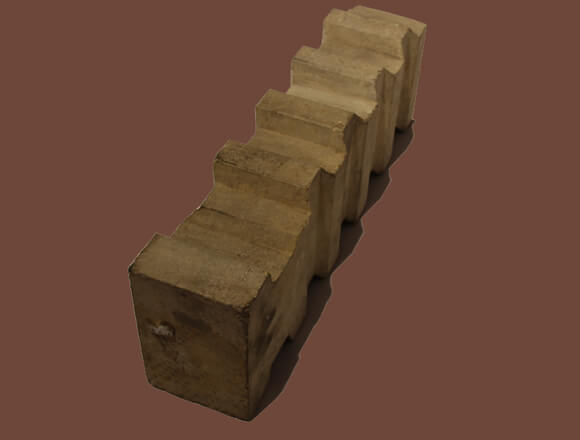
CH REFRACTORIES offers a broad spectrum of IFBs, with different densities and temperature ratings. These bricks are manufactured with high-purity raw materials and advanced foaming technologies to maximize insulation while maintaining mechanical integrity. They are available in various sizes and shapes, catering to both hobbyist forges and large-scale industrial installations.
Ceramic Fiber Insulation
For forges requiring extreme thermal insulation, CH REFRACTORIES provides ceramic fiber boards, blankets, and modules. These materials exhibit excellent resistance to thermal shock and can withstand temperatures exceeding 1,400°C. When layered with fire bricks, ceramic fiber products offer unmatched insulation, further enhancing forge efficiency and safety.
Multi-Layered Composite Linings
In advanced forge designs, CH REFRACTORIES recommends a composite lining system, typically consisting of a hot-face fire brick layer, followed by one or more layers of insulating fire bricks or ceramic fiber. This multi-layer approach maximizes both structural integrity and thermal protection, providing clients with a tailored solution for demanding applications.
Engineering and Installation Best Practices
Forge Lining Configuration
The effectiveness of insulation depends not only on material selection but also on proper installation. CH REFRACTORIES experts advise that the fire brick lining should form the innermost layer, directly exposed to the flame and thermal load, while insulation layers should be installed behind to trap heat. Proper staggering of joints, use of refractory mortars, and allowances for thermal expansion are critical for long-term performance.
Maintenance Protocols
- Routine Inspection: Regularly check for cracks, spalling, or degradation in both fire bricks and insulation layers.
- Prompt Repairs: Address any damage immediately to prevent heat leaks and maintain optimal forge performance.
- Cleaning: Remove slag, ash, and debris to prevent insulation contamination and maximize material lifespan.
Case Studies: Real-World Forge Upgrades by CH REFRACTORIES
Case Study 1: Blacksmith Forge Retrofit
A traditional blacksmith’s forge was consuming excessive fuel and exhibited uneven heating. CH REFRACTORIES replaced the existing fire brick lining with a dual-layer system—high-alumina fire bricks for the hot face and 1,260°C grade insulating fire bricks as backing. The retrofit resulted in a 35% reduction in fuel usage and significantly improved heat distribution, leading to better workpiece quality and lower operating costs.
Case Study 2: Industrial Forge for Heat Treatment
An industrial client approached CH REFRACTORIES seeking enhanced temperature consistency for heat treatment processes. By implementing a three-layer system combining super-duty fire bricks, insulating fire bricks, and high-density ceramic fiber modules, the client achieved sub-5°C temperature differentials across the forge’s chamber. Operator safety was also greatly improved thanks to much lower external surface temperatures.
Choosing the Right Insulation Solution for Your Forge
Not all forges require the same insulation approach. The decision depends on factors such as maximum operating temperature, frequency of thermal cycling, desired efficiency, and safety requirements. CH REFRACTORIES provides tailored consultations to help clients assess their needs and select the optimal combination of fire bricks and insulating materials.
Key Considerations
- Temperature Rating: Choose bricks and insulation materials that match or exceed your forge’s maximum temperature.
- Mechanical Strength: For heavy-duty applications, prioritize bricks with both high strength and adequate insulation.
- Installation Complexity: Multi-layer systems may require expert installation but offer superior performance.
- Budget Constraints: CH REFRACTORIES works with clients to balance performance, longevity, and cost-effectiveness.
Future Trends: Advancements in Forge Insulation Technology
Innovation in refractory technology continues to drive improvements in forge efficiency, safety, and sustainability. CH REFRACTORIES is at the forefront of these advancements, developing new generations of insulation materials, including nano-structured ceramics, aerogel-based blankets, and environmentally friendly compositions. These novel materials promise even lower thermal conductivity, lighter weight, and greater durability, paving the way for the next era of high-performance forge design.
Summary Table: Insulation’s Impact on Fire Brick Forge Performance
| Aspect | Without Insulation | With Insulation |
|---|---|---|
| Thermal Efficiency | Low to moderate High energy loss |
High Minimal energy waste |
| Temperature Uniformity | Poor Uneven heating |
Excellent Consistent chamber temps |
| Fuel Consumption | High | Reduced |
| Operator Safety | Lower Hot external surfaces |
Higher Cooler exteriors |
| Fire Brick Lifespan | Shorter Frequent repairs |
Longer Protected from thermal shock |
About Zhengzhou Caihua Kiln Masonry Installation Co., Ltd (CH REFRACTORIES)
As a recognized leader in refractory solutions, CH REFRACTORIES combines decades of research, engineering expertise, and global project experience. The company’s commitment to quality and innovation ensures that every forge lining—whether for artisan blacksmiths or heavy industry—delivers maximum performance, efficiency, and safety. Clients worldwide trust CH REFRACTORIES for personalized guidance, premium materials, and reliable after-sales support for all their refractory and insulation needs.