
Lightweight Insulation Brick Fire Resistance Benefits Explained
Lightweight insulation bricks, as developed and supplied by Zhengzhou Caihua Kiln Masonry Installation Co., Ltd (CH REFRACTORIES), are essential materials for high-temperature industrial applications due to their outstanding fire resistance and insulation properties. These bricks are manufactured using high-purity raw materials, resulting in a porous and lightweight structure that offers superior thermal stability, energy efficiency, and safety. Their fire resistance allows them to maintain structural integrity and insulation performance even at temperatures exceeding 1,200°C, making them ideal for kilns, furnaces, and reactors across various industries. CH REFRACTORIES ensures product quality through rigorous testing and adherence to international standards. The bricks’ ease of installation and long service life further enhance their appeal, while ongoing innovation at CH REFRACTORIES continually improves their performance. Compared to traditional dense firebricks, lightweight insulation bricks are more energy-efficient and cost-effective, providing a versatile solution for demanding fire-resistant construction needs.
Introduction to Lightweight Insulation Bricks
Lightweight insulation bricks have transformed the refractory and thermal insulation industry due to their excellent fire resistance and low thermal conductivity. At Zhengzhou Caihua Kiln Masonry Installation Co., Ltd (CH REFRACTORIES), we understand the critical role that insulation bricks play in high-temperature industries. This article delves into the fire resistance benefits of lightweight insulation bricks and explains why they are a preferred choice for modern kilns, furnaces, and industrial installations.
Understanding Lightweight Insulation Bricks
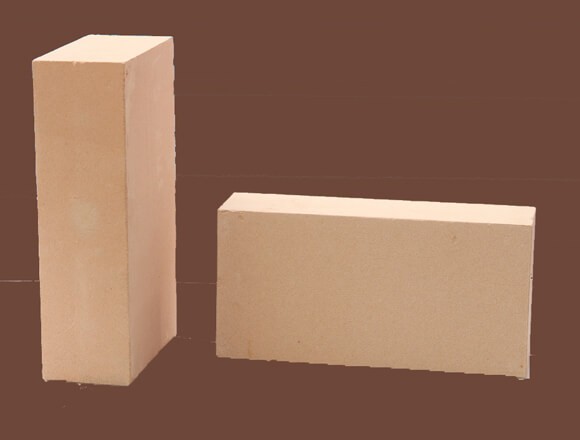
Lightweight insulation bricks, commonly made from high-purity raw materials like alumina, silica, or special clays, are processed in a way that creates a porous structure. This structure gives them their defining properties: lightweight, high thermal insulation, and impressive fire resistance. CH REFRACTORIES offers a variety of lightweight insulation bricks suited for different temperature regimes and applications, each engineered for long-term durability and energy efficiency.
The Science of Fire Resistance in Insulation Bricks
Fire resistance is a measure of a material’s ability to withstand high temperatures and prevent the passage of heat, flames, and gases. Lightweight insulation bricks from CH REFRACTORIES are designed to provide superior fire resistance, maintaining structural integrity at temperatures often exceeding 1,200°C. This resistance is achieved through careful selection of raw materials, optimized pore size and distribution, and advanced manufacturing techniques that ensure the bricks remain stable even under prolonged thermal cycling.
undefined
Key Benefits of Fire Resistance in Lightweight Insulation Bricks
- Thermal Stability: Lightweight insulation bricks retain their shape and strength at high temperatures, helping to preserve the structural reliability of kilns and furnaces.
- Energy Efficiency: The low thermal conductivity of these bricks minimizes heat loss, reducing fuel consumption and operational costs for industrial clients.
- Enhanced Safety: High fire resistance provides better protection for personnel, equipment, and infrastructure, particularly in the event of unexpected thermal events or accidents.
- Long Service Life: By resisting chemical attack, thermal shock, and structural degradation, lightweight insulation bricks from CH REFRACTORIES offer extended operational lifespans compared to conventional dense firebricks.
- Versatility: Lightweight insulation bricks can be customized for specific fire resistance ratings, making them suitable for a wide range of industrial applications.
Applications of Lightweight Insulation Bricks in Fire-Resistant Construction
Industries rely on fire-resistant insulation bricks for a wide range of applications, including lining of kilns, furnaces, incinerators, and reactors. CH REFRACTORIES engineers bricks for use in ceramics production, metallurgy, petrochemical processing, glass manufacturing, and other sectors requiring robust thermal insulation and fire protection. The adaptability of these bricks ensures that regardless of the temperature regime or atmosphere, optimal fire resistance is maintained.
Case Studies: CH REFRACTORIES Lightweight Insulation Bricks in Action
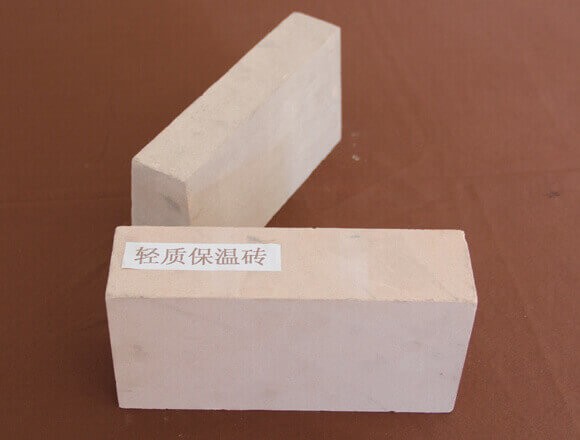
CH REFRACTORIES has provided lightweight insulation bricks for projects across Asia, Europe, and the Americas. In a recent project involving the construction of a modern glass furnace, our bricks demonstrated their fire resistance by withstanding over 1,400°C for several years without significant deformation or loss of insulation performance. In steelmaking, our bricks are used to line reheating furnaces, providing not only fire resistance but also reducing energy consumption by up to 25%.
Construction and Installation Advantages
The reduced weight of lightweight insulation bricks offers several practical benefits during construction and installation. They are easier to transport, handle, and install than traditional dense bricks, reducing labor costs and project timelines. CH REFRACTORIES provides tailored brick sizes and shapes to fit complex structural designs, ensuring tight lining and optimal fire-resistant performance.
Fire Resistance Testing and Quality Assurance
At CH REFRACTORIES, every batch of lightweight insulation bricks undergoes rigorous fire resistance testing. We use international standards such as ASTM C155 and ISO 834 to ensure our products meet or exceed customer expectations. Each brick is tested for refractoriness, thermal conductivity, compressive strength, and resistance to thermal shock, guaranteeing long-term safety and effectiveness in demanding applications.
Material Composition and Fire Retardant Properties
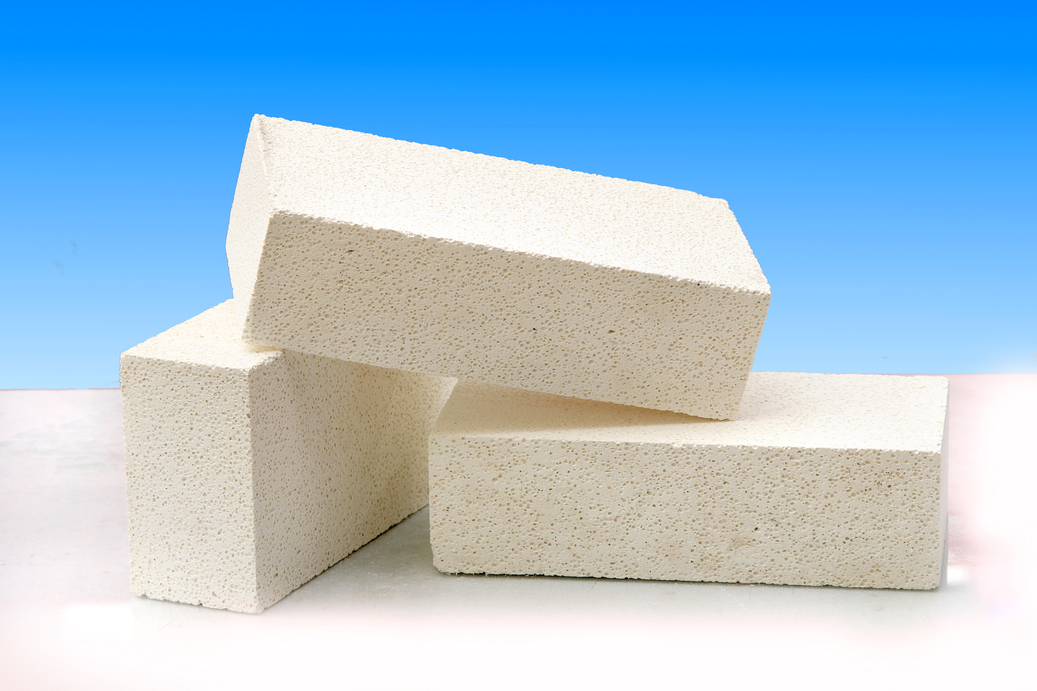
Lightweight insulation bricks achieve their fire-resistant properties through a combination of carefully selected clays, alumina, and sometimes silica or mullite. These materials are processed to develop an interconnected pore structure that acts as a barrier to heat and flames. The result is a brick that not only slows down heat transfer but also resists melting, distortion, and chemical attack, ensuring that the insulation layer remains intact even in direct contact with flames.
Comparison with Dense Firebricks and Other Insulation Materials
| Property | Lightweight Insulation Bricks | Dense Firebricks | Other Materials |
|---|---|---|---|
| Weight | Low | High | Varies |
| Thermal Conductivity | Very Low | Moderate | Varies |
| Fire Resistance | High | High | Varies |
| Installation Ease | Easy | Challenging | Varies |
| Cost-Efficiency | High | Moderate | Varies |
Why Choose CH REFRACTORIES Lightweight Insulation Bricks?
CH REFRACTORIES delivers lightweight insulation bricks that are not only fire-resistant but also environmentally sustainable and customizable. Our research and development team continuously innovates to meet evolving industry needs, always prioritizing safety, energy efficiency, and value. With a global footprint and decades of experience, Zhengzhou Caihua Kiln Masonry Installation Co., Ltd stands at the forefront of Refractory Solutions.
Maintenance and Longevity of Fire-Resistant Insulation Bricks
Proper maintenance of fire-resistant insulation bricks is essential for maximizing service life and performance. CH REFRACTORIES provides comprehensive guidance on installation, inspection, and repair, ensuring that our bricks deliver reliable insulation and fire protection throughout their operational life. Regular checks for cracks, wear, or chemical attack can prevent failure and minimize downtime in high-temperature facilities.
Future Trends in Fire-Resistant Insulation Bricks
The fire resistance of lightweight insulation bricks is continually being enhanced through material science advancements and manufacturing innovation. CH REFRACTORIES invests in ongoing research to develop new formulations that withstand even higher temperatures, offer better thermal shock resistance, and contribute to greener, more energy-efficient industrial operations. As the demands of heavy industry evolve, so too will the capabilities of our insulation brick solutions.