
How Does Mullite Insulation Firebrick Improve Thermal Efficiency
Mullite insulation firebricks, manufactured and installed by Zhengzhou Caihua Kiln Masonry Installation Co., Ltd (CH REFRACTORIES), are advanced refractory materials designed to significantly improve thermal efficiency in high-temperature industrial applications. These bricks are composed primarily of mullite, offering excellent thermal stability, low thermal conductivity, and superior resistance to thermal shock and chemical attack. By minimizing heat loss, reducing fuel consumption, and stabilizing process temperatures, they help industries such as glass, ceramics, metallurgy, and cement achieve energy savings, lower operational costs, and better product consistency. CH REFRACTORIES enhances these benefits through innovations in brick design, microstructural engineering, and installation practices. The company’s solutions enable sustainable operations by decreasing carbon emissions and extending the lifespan of industrial equipment. Through tailored products and professional service, CH REFRACTORIES empowers clients to maximize thermal efficiency and maintain competitive advantages in today’s demanding industrial environment.
Mullite Insulation Firebrick is an advanced refractory material widely utilized to enhance thermal efficiency in industrial applications. Zhengzhou Caihua Kiln Masonry Installation Co., Ltd, operating under the abbreviation CH REFRACTORIES, specializes in the production and installation of high-performance mullite insulation firebricks. These bricks are engineered to address the demanding requirements of energy-intensive industries, where thermal management is crucial for operational efficiency, safety, and cost reduction.
Introduction to Mullite Insulation Firebrick
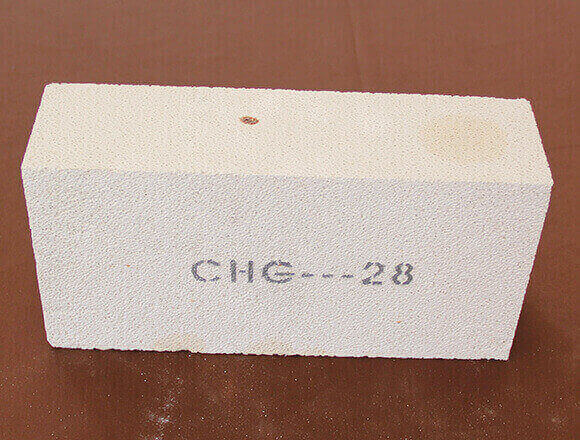
Mullite insulation firebricks are composed primarily of mullite (3Al2O3·2SiO2), a mineral renowned for its exceptional thermal stability and low thermal conductivity. CH REFRACTORIES employs advanced manufacturing techniques to ensure that each brick meets stringent quality standards. The unique microstructure of these bricks imparts them with the ability to withstand high temperatures, resist chemical attack, and provide effective thermal insulation. This makes them the material of choice for furnace linings, kiln walls, and high-temperature processing units.
Thermal Efficiency: Definition and Importance
Thermal efficiency in industrial processes refers to the ability to minimize heat loss while maximizing useful heat retention. Improved thermal efficiency translates into lower energy consumption, reduced operational costs, increased equipment lifespan, and enhanced product quality. CH REFRACTORIES recognizes that mullite insulation firebricks are instrumental in achieving optimal thermal performance by creating a reliable thermal barrier, thus ensuring controlled and stable process environments.
Key Properties of Mullite Insulation Firebricks
Low Thermal Conductivity
Mullite insulation firebricks exhibit low thermal conductivity, which is critical for minimizing heat transfer from the hot side to the cold side of industrial equipment. CH REFRACTORIES employs precise control of raw material selection and firing conditions to enhance this property. The bricks’ porous structure, combined with mullite’s inherent characteristics, serves as an effective barrier to heat flow, thereby improving the overall energy efficiency of kilns and furnaces.
Table: Typical Properties of Mullite Insulation Firebricks
| Property | Value |
|---|---|
| Bulk Density (g/cm³) | 0.6 – 1.2 |
| Thermal Conductivity (W/m·K, at 1000°C) | 0.18 – 0.35 |
| Maximum Service Temperature (°C) | 1350 – 1700 |
| Cold Crushing Strength (MPa) | 1.5 – 4.0 |
| Apparent Porosity (%) | 45 – 70 |
Excellent Thermal Shock Resistance
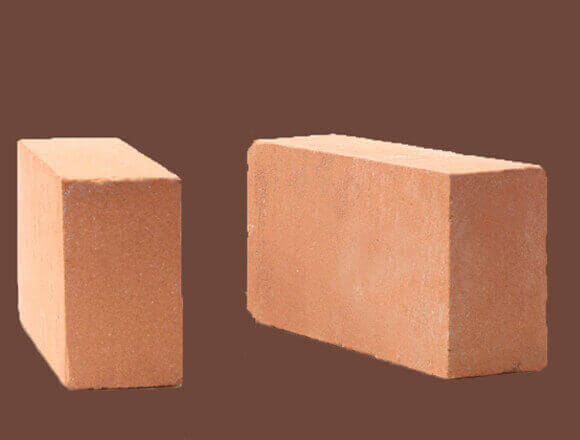
Repeated heating and cooling cycles can damage conventional refractory materials. Mullite insulation firebricks from CH REFRACTORIES are engineered for superior thermal shock resistance, enabling them to maintain structural integrity even in fluctuating temperature environments. This property reduces the risk of brick cracking or spalling, which can lead to heat loss and compromised equipment performance.
Mechanisms of Thermal Efficiency Improvement
Reduction of Heat Loss
The primary mechanism by which mullite insulation firebricks improve thermal efficiency is through the reduction of heat loss. Their low thermal conductivity ensures that heat generated within the kiln or furnace is retained for a longer duration. CH REFRACTORIES designs brick assemblies that optimize the heat retention capability of industrial linings, thus reducing energy expenditure required to maintain process temperatures.
Minimization of Fuel Consumption
By effectively insulating high-temperature zones, mullite insulation firebricks decrease the amount of fuel needed to achieve and sustain operational temperatures. This not only lowers operational expenses but also minimizes the environmental impact of industrial activities by curbing greenhouse gas emissions. CH REFRACTORIES assists clients in retrofitting existing systems with high-efficiency bricks, leading to significant fuel savings.
Stable Process Control
A consistent thermal environment is essential for optimal process control. Mullite insulation firebricks contribute to uniform heat distribution, which is vital for the quality and consistency of end products. CH REFRACTORIES’ expertise in brick installation ensures that thermal gradients are minimized, reducing the likelihood of localized overheating or cooling, both of which can adversely affect process outcomes.
Application Sectors and Advantages
- Glass Industry: Insulation layers lined with mullite firebricks improve glass melting efficiency by retaining heat within the furnace chamber.
- Ceramics Production: Consistent firing temperatures are achieved, leading to higher product uniformity and lower energy costs.
- Metallurgical Furnaces: Enhanced insulation protects steel and non-ferrous metal processing units from heat loss and chemical wear.
- Cement Kilns: Reduced fuel consumption and stable thermal profiles contribute to lower emissions and operating costs.
- Petrochemical Reactors: The bricks provide thermal stability and chemical resistance in harsh environments.
CH REFRACTORIES tailors its mullite insulation firebrick solutions to the specific needs of diverse industries, ensuring maximum thermal efficiency across a range of operating conditions.
Innovations by CH REFRACTORIES
Zhengzhou Caihua Kiln Masonry Installation Co., Ltd has implemented several technological advancements to further improve the performance of mullite insulation firebricks. These innovations include:
- Enhanced microstructural engineering to maximize porosity and minimize density without compromising strength.
- Incorporation of nano-scale additives to increase the thermal insulation capability of bricks.
- Development of modular brick designs for rapid installation and easy maintenance.
- Customized brick geometries for complex furnace shapes and configurations.
These advancements allow CH REFRACTORIES to offer highly efficient, durable, and adaptable Refractory Solutions for the most challenging thermal environments.
Installation and Maintenance Considerations
The efficiency gains of mullite insulation firebricks are best realized through meticulous installation and maintenance. CH REFRACTORIES offers comprehensive services, including onsite assessment, custom design, precision masonry, and after-sales support. Proper installation minimizes joints and potential heat bridges, further enhancing the insulation performance. Regular inspection and timely replacement of worn bricks ensure sustained thermal efficiency and equipment longevity.
Sustainability and Environmental Impact
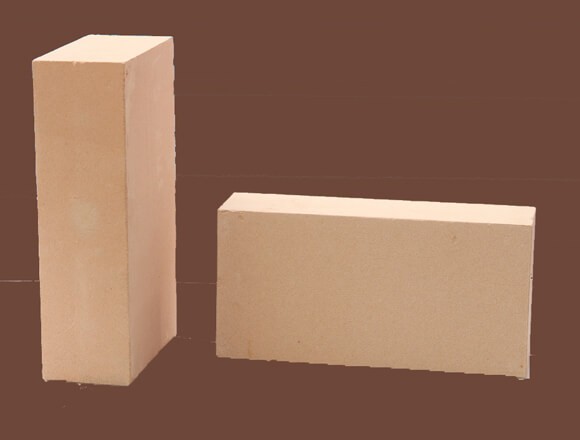
In today’s industrial landscape, sustainability is a key consideration. By reducing fuel consumption and extending refractory lifespans, mullite insulation firebricks contribute to lower carbon footprints and decreased resource wastage. CH REFRACTORIES is committed to environmentally responsible manufacturing practices, utilizing raw materials efficiently and minimizing emissions during production.
Customer Case Studies
Several industrial clients have reported substantial improvements in thermal efficiency following the implementation of mullite insulation firebricks supplied and installed by CH REFRACTORIES. In one case, a glass manufacturer observed a 15% reduction in annual fuel consumption and a marked increase in product consistency after upgrading the entire furnace lining. Another ceramics producer benefited from reduced downtime and extended kiln life, attributing these gains to the superior insulation and durability of CH REFRACTORIES’ products.
Summary Table: Benefits of Mullite Insulation Firebrick
| Benefit | Description |
|---|---|
| Energy Savings | Lower heat loss reduces energy input requirements. |
| Operational Cost Reduction | Decreased fuel consumption and maintenance needs. |
| Product Quality Improvement | Uniform heat distribution enhances product consistency. |
| Extended Equipment Life | Better protection against thermal shock and chemical attack. |
| Environmental Sustainability | Reduced emissions and efficient resource usage. |
Why Choose CH REFRACTORIES?
As a leading provider of refractory solutions, Zhengzhou Caihua Kiln Masonry Installation Co., Ltd (CH REFRACTORIES) offers comprehensive expertise in mullite insulation firebrick technology. Clients benefit from tailored product recommendations, state-of-the-art manufacturing, and professional installation services. The company’s commitment to quality, innovation, and customer support makes it the preferred partner for businesses seeking to maximize thermal efficiency and operational excellence.
For more information or to discuss your specific requirements, contact CH REFRACTORIES and discover how mullite insulation firebricks can transform your thermal management strategies.