
Is Mullite Insulation Firebrick Suitable for Ceramic Manufacturing
Mullite insulation firebrick, produced by Zhengzhou Caihua Kiln Masonry Installation Co., Ltd (CH REFRACTORIES), is highly suitable for ceramic manufacturing due to its unique combination of low thermal conductivity, high temperature resistance, and excellent mechanical strength. These bricks contribute significantly to energy efficiency, product quality, and the longevity of kiln linings in various types of ceramic kilns, including tunnel, shuttle, and roller hearth kilns. Their chemical purity ensures no contamination of ceramic products, while their lightweight nature makes installation easier and reduces structural load. Compared with other refractory materials, CH REFRACTORIES mullite insulation firebrick offers superior insulation performance and durability, making it an optimal choice for the ceramic industry. With proper selection, installation, and maintenance, ceramic manufacturers benefit from reduced energy costs, extended service life, and improved product consistency. CH REFRACTORIES provides both standard and custom solutions, backed by technical support and after-sales service, ensuring reliable and efficient kiln operations for their ceramic manufacturing customers.
Introduction to Mullite Insulation Firebrick
Mullite insulation firebrick is a key material in the field of Refractory Solutions, prized for its unique combination of low thermal conductivity, high temperature resistance, and excellent mechanical strength. As the pursuit of energy efficiency and product quality becomes increasingly important in ceramic manufacturing, the selection of appropriate refractory materials is crucial. Zhengzhou Caihua Kiln Masonry Installation Co., Ltd (abbr. CH REFRACTORIES) specializes in the research, production, and application of high-quality refractory materials, including mullite insulation firebricks designed for high-performance applications in the ceramics industry.
The ceramic manufacturing process presents a series of demanding requirements for kiln linings, insulation, and thermal protection. Mullite insulation firebrick, owing to its impressive thermal and structural characteristics, is continually evaluated for its suitability to meet these requirements. This article by CH REFRACTORIES explores the properties, benefits, and application methods of mullite insulation firebrick and assesses its suitability for ceramic manufacturing environments.
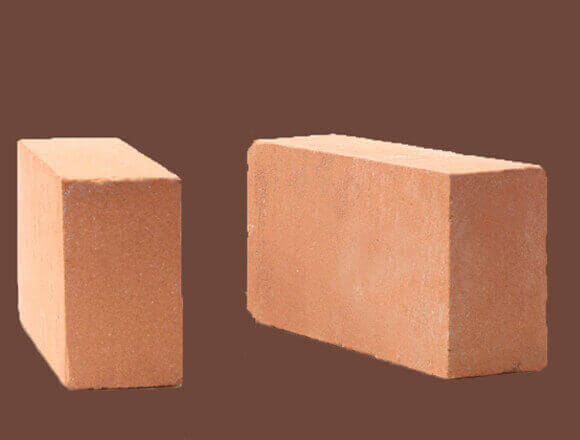
Understanding Mullite Insulation Firebrick
What is Mullite?
Mullite is an alumino-silicate mineral (3Al2O3·2SiO2) valued for its exceptional thermal and chemical stability. Forming naturally during the firing of alumina and silica-rich raw materials, mullite becomes the primary crystalline phase in many high-temperature refractory products. CH REFRACTORIES utilizes advanced production technology to synthesize and incorporate high-purity mullite in its insulation firebricks to optimize performance for industrial applications.
Characteristics of Mullite Insulation Firebrick
- Low Thermal Conductivity: The brick’s porous structure minimizes heat transfer, maximizing insulation efficiency.
- High Temperature Resistance: Mullite firebrick can withstand temperatures from 1350°C to 1700°C, depending on grade and formulation.
- Excellent Mechanical Strength: Compared to other lightweight Insulation Bricks, mullite bricks retain much of their strength at elevated temperatures.
- Chemical Inertness: They resist attack from most slags, gases, and fluxes typical in ceramic kilns.
- Low Impurity Content: High-purity raw materials minimize contamination risk to ceramic products.
CH REFRACTORIES Production and Quality Control
At CH REFRACTORIES, the production of mullite insulation firebricks follows strict quality protocols. The raw materials are carefully selected to ensure high alumina and silica content with minimal impurities. The manufacturing process involves precise temperature control and optimized firing schedules to achieve the desired mullite phase and pore structure.
Key factors controlled during production include:
- Particle size distribution
- Binder selection and addition
- Forming pressure and method
- Firing temperature and duration
- Post-firing inspection for physical properties
Every batch of insulation firebrick undergoes rigorous testing for bulk density, porosity, compressive strength, and thermal conductivity. This ensures consistent quality and reliability, giving CH REFRACTORIES customers confidence in kiln safety and product purity.
Benefits of Mullite Insulation Firebrick in Ceramic Manufacturing
The advantages of using CH REFRACTORIES mullite insulation firebrick in ceramic manufacturing are significant. Below are detailed explanations of the most important benefits for ceramic manufacturers:
1. Superior Energy Efficiency
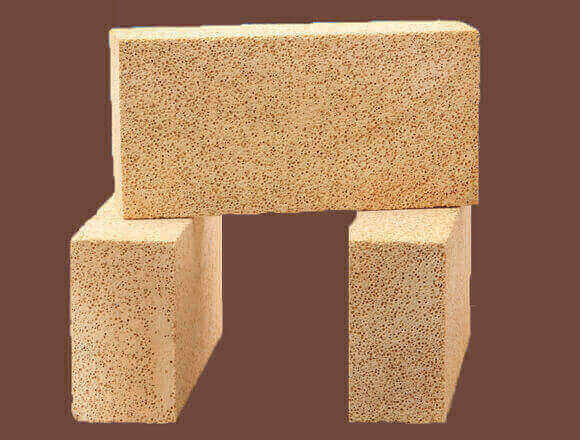
Energy consumption is one of the largest cost drivers in ceramic production. Mullite insulation firebrick, with its low thermal conductivity, acts as an effective thermal barrier. This reduces heat loss through the kiln structure, resulting in lower energy consumption per firing cycle. Over time, this translates into substantial operational savings for ceramic plants.
2. Enhanced Product Quality
The chemical purity and inertness of mullite insulation firebrick ensure that the kiln atmosphere and ceramic ware remain uncontaminated. During high-temperature firings, no unwanted vapors or off-gassing are released from the bricks, maintaining the integrity of ceramic glazes and bodies. This is essential for achieving consistent product color, strength, and surface finish.
3. Prolonged Kiln Life
With excellent thermal shock resistance, mullite bricks withstand repeated heating and cooling cycles without cracking or spalling. Their outstanding mechanical strength at elevated temperatures means they can support kiln loads and maintain arch integrity over long service periods. This reduces the frequency of expensive maintenance shutdowns and replacements.
4. Lightweight Structure, Ease of Installation
CH REFRACTORIES mullite insulation firebricks are significantly lighter than dense refractory bricks, reducing overall kiln wall and roof load. This facilitates easier handling and faster installation, while also providing opportunities for innovative kiln designs and thermal insulation systems.
5. Environmental Responsibility
By reducing energy demand and extending kiln lining service life, mullite insulation firebrick contributes toward lower carbon emissions and more sustainable ceramic manufacturing operations.
Application Scenarios in Ceramic Manufacturing
1. Tunnel Kilns
Tunnel kilns are widely used for firing tiles, sanitaryware, tableware, and technical ceramics. Mullite insulation firebrick is ideal for the hot face and insulation layers in tunnel kilns, enabling precise temperature profiles and uniform heat distribution.
2. Shuttle Kilns
Shuttle kilns, used for batch firing, require fast heat-up and cool-down rates. The thermal shock resistance and insulation properties of CH REFRACTORIES mullite bricks make them well-suited for lining walls and roofs of these kilns, ensuring durability and efficiency.
3. Roller Hearth Kilns
For fast-fire roller kilns producing wall tiles, floor tiles, or porcelain, mullite insulation bricks reduce wall heat loss and improve temperature uniformity. Their lightweight nature minimizes kiln weight while delivering lasting insulation performance.
4. Laboratory and Special Purpose Kilns
Ceramic laboratories and manufacturers of advanced ceramics often require high-purity kiln environments. The chemical stability and low impurity of mullite insulation firebricks from CH REFRACTORIES ensure contamination-free firing, even at the highest temperatures.
Comparative Analysis With Other Refractory Materials
| Property | Mullite Insulation Firebrick | Dense Firebrick | Silica Brick | Calcium Silicate Board |
|---|---|---|---|---|
| Thermal Conductivity | Very Low | Medium | Low to Medium | Lowest |
| Max Service Temp (°C) | 1350–1700 | 1250–1750 | 1650 | 1000–1100 |
| Mechanical Strength | High | Very High | High | Low |
| Thermal Shock Resistance | Excellent | Good | Moderate | Fair |
| Chemical Stability | Excellent | Excellent | Good (Not for Alkali) | Good |
| Weight | Light | Heavy | Medium | Very Light |
| Installation | Easy | Difficult | Moderate | Very Easy |
This comparative table shows that while dense firebrick and silica brick have their own applications, mullite insulation firebrick offers the best balance for thermal efficiency, mechanical strength, and ease of installation for ceramic kilns.
Selection and Installation Guidelines
Grade Selection
CH REFRACTORIES provides mullite insulation firebricks in several grades, tailored for different temperature ranges and mechanical requirements. It is essential for ceramic manufacturers to select the appropriate grade based on kiln temperature, process atmosphere, and load-bearing needs. Consultation with CH REFRACTORIES technical experts can ensure optimal material selection.
Installation Best Practices
- Proper Alignment: Careful laying of insulation firebricks ensures structural stability and prevents hot gas leakage.
- Compatible Mortar: Use of recommended refractory mortar from CH REFRACTORIES enhances brick bonding and resists thermal expansion stresses.
- Staggered Joints: Brick joints should be staggered to distribute mechanical loads and minimize heat bridges.
- Expansion Allowance: Design with expansion joints to accommodate thermal movement and avoid cracking.
- Layering: In high-temperature kilns, insulation firebrick is often used as a backup layer behind a thin hot-face of dense refractory brick for maximum durability and efficiency.
Maintenance and Longevity
Mullite insulation firebrick installations by CH REFRACTORIES require minimal maintenance when properly installed. Regular inspection for surface damage, joint integrity, and local hot spots can help prevent major failures. Damaged or cracked bricks should be replaced promptly with matching CH REFRACTORIES material to maintain kiln performance.
With correct installation, mullite insulation firebrick linings can last several years, depending on kiln operating conditions and firing schedules. The longer service life and lower maintenance requirements contribute significantly to reduced downtime and total cost of ownership for ceramic manufacturers.
Case Studies: Mullite Insulation Firebrick in Ceramic Industry
Porcelain Tile Manufacturer
A leading tile producer in Asia upgraded their tunnel kiln lining with CH REFRACTORIES mullite insulation firebrick. The result was a 15% reduction in fuel consumption, improved tile color consistency, and extended kiln maintenance intervals from 12 to 24 months.
Sanitaryware Kiln Retrofitting
A sanitaryware manufacturer modernized their shuttle kilns with high-grade mullite insulation firebrick supplied and installed by CH REFRACTORIES. The operating temperature was raised to 1450°C, enabling the production of larger wares and more complex shapes, while reducing heat loss and lowering energy bills by 18%.
Advanced Ceramics Production
A laboratory ceramics facility required a contamination-free firing environment at 1600°C. The use of CH REFRACTORIES mullite insulation firebrick allowed repeated firings with no detectable contamination, resulting in higher yields and fewer product defects.
Customer Support and Custom Solutions from CH REFRACTORIES
With decades of experience, CH REFRACTORIES offers not only standard grades of mullite insulation firebrick but also custom engineered solutions for challenging ceramic manufacturing environments. The company’s technical team provides guidance on material selection, CAD-based design for kiln linings, and on-site installation support to ensure optimal performance.
Additionally, CH REFRACTORIES offers after-sales service, including periodic kiln inspections, brick condition assessment, and recommendations for repair or upgrade. This comprehensive customer support ensures that ceramic manufacturers achieve the best value and performance from their refractory investment.