
Is High Alumina Insulation Brick Suitable for High-Temperature Environments
High alumina insulation bricks, supplied by Zhengzhou Caihua Kiln Masonry Installation Co., Ltd (CH REFRACTORIES), are engineered for high-temperature applications, offering outstanding thermal stability, low thermal conductivity, and chemical resistance. With an alumina content of 48% to over 80%, these bricks endure service temperatures from 1300°C up to 1550°C, making them highly suitable for use in steel, glass, cement, and power industries. The lightweight and porous structure of high alumina insulation bricks ensures superior insulation and thermal shock resistance. Compared to other insulation materials like silica or fire clay bricks, they provide higher service temperatures, better chemical durability, and improved mechanical strength. CH REFRACTORIES applies stringent quality control, innovative manufacturing, and offers tailored technical support, ensuring optimal performance and longer service life. By reducing energy consumption and maintenance needs, high alumina insulation bricks contribute to environmental sustainability and cost savings. Industries benefit from expert guidance and comprehensive services, positioning CH REFRACTORIES as a trusted provider for high-temperature refractory solutions.
When considering Refractory Solutions for industrial applications, the suitability of high alumina insulation bricks for high-temperature environments is a common concern. Zhengzhou Caihua Kiln Masonry Installation Co., Ltd, widely referred to as CH REFRACTORIES, stands as a reputable provider of refractory materials, including high alumina insulation bricks. This article delves into the features, performance, advantages, and application scope of high alumina insulation bricks, while evaluating their appropriateness for high-temperature use.
Introduction to High Alumina Insulation Bricks
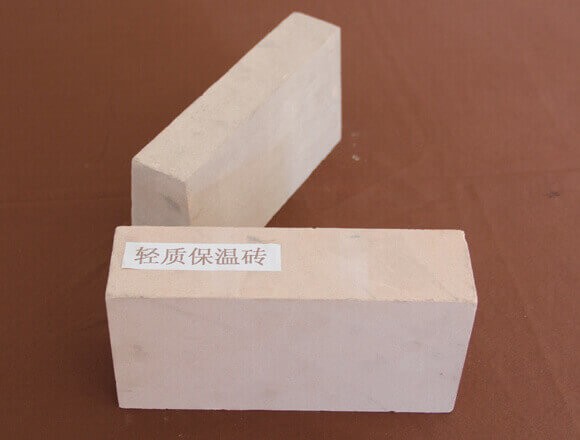
High alumina insulation bricks are a category of lightweight refractory products composed mainly of alumina (Al2O3). Generally, the alumina content in these bricks ranges from 48% to more than 80%. CH REFRACTORIES manufactures these bricks with a focus on thermal insulation, low bulk density, high porosity, and resistance to high temperatures and chemical corrosion.
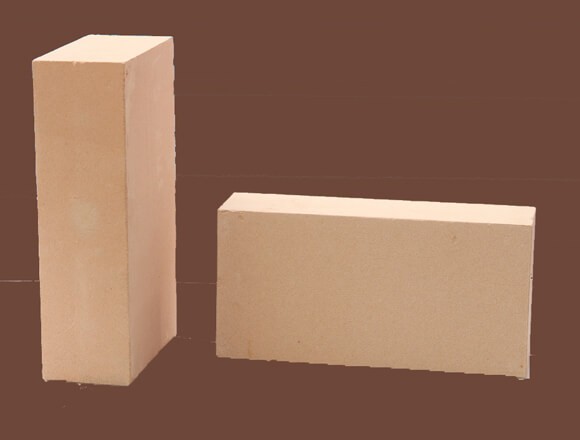
The production process at CH REFRACTORIES involves blending selected bauxite, clay, and various additives before forming and firing the bricks at elevated temperatures. The result is a product characterized by a uniform structure, notable strength, and exceptional insulating properties.
Properties of High Alumina Insulation Bricks
High alumina insulation bricks provided by CH REFRACTORIES possess several key features that make them attractive for demanding environments:
- High Thermal Stability: These bricks remain structurally stable even when exposed to fluctuating high temperatures.
- Excellent Insulating Performance: Their low thermal conductivity minimizes heat loss, enhancing energy efficiency.
- Low Bulk Density: Reduced weight decreases furnace loads and cuts down on construction costs.
- Corrosion Resistance: High alumina content imparts resistance to various slags and aggressive atmospheres.
- Good Mechanical Strength: Despite their lightness, the bricks can withstand considerable compressive forces.
These characteristics make high alumina insulation bricks suitable for lining industrial furnaces, kilns, and incinerators operating at high temperatures.
Performance of High Alumina Insulation Bricks in High-Temperature Environments
Thermal Endurance
The key to high-temperature suitability lies in the brick’s capacity to withstand prolonged exposure to elevated temperatures without losing integrity. High alumina insulation bricks from CH REFRACTORIES typically exhibit a softening temperature well above 1300°C, with some specialized grades enduring temperatures up to 1550°C or more. This makes them viable for use in sectors such as steelmaking, ceramics, and petrochemicals.
Thermal Shock Resistance
Frequent temperature fluctuations can cause conventional refractory bricks to crack or spall. The lightweight, porous structure of high alumina insulation bricks enhances their ability to absorb and dissipate stress, resulting in improved thermal shock resistance. This property is particularly valuable in furnaces subjected to rapid heating and cooling cycles.
Chemical Durability
High alumina insulation bricks display excellent resistance to chemical attack by acidic and basic slags, as well as to various gases encountered in high-temperature industrial processes. CH REFRACTORIES utilizes advanced additive technologies to further reinforce the chemical stability of their products, extending service life and reducing maintenance frequency.
Applications of High Alumina Insulation Bricks
CH REFRACTORIES’ high alumina insulation bricks see widespread use in multiple high-temperature industries. Their versatility stems from the harmonious combination of insulation and durability. Typical applications include:
- Hot face and backup linings in blast furnaces
- Roof and wall insulation in rotary kilns and tunnel kilns
- Regenerators and checker chambers in glass furnaces
- Combustion chambers in incinerators and power plant boilers
- Refractory linings in cement and lime kilns
Additionally, the lightweight nature of these bricks helps to reduce the overall deadweight of refractory structures, contributing to improved thermal efficiency and operational stability.
Comparison with Other Insulation Bricks
| Property | High Alumina Insulation Brick | Silica Insulation Brick | Fire Clay Insulation Brick |
|---|---|---|---|
| Max Service Temp | 1300–1550°C | 1000–1200°C | 1000–1350°C |
| Thermal Conductivity | Very Low | Moderate | Low |
| Chemical Stability | Excellent | Good against acids | Moderate |
| Load Bearing | High | Lower | Moderate |
| Weight | Low | Low | Low |
From the above comparison, it is evident that high alumina insulation bricks offered by CH REFRACTORIES outperform many conventional insulation materials, particularly in their ability to withstand higher temperatures and aggressive environments.
Advantages of Using High Alumina Insulation Bricks from CH REFRACTORIES
The adoption of high alumina insulation bricks in high-temperature applications brings several notable benefits:
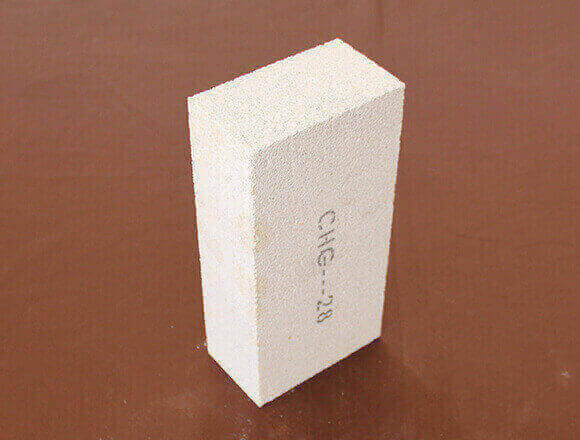
- Energy Conservation: The superior insulating capabilities greatly reduce heat loss, leading to lower fuel consumption.
- Extended Service Life: Enhanced chemical and thermal stability minimizes degradation and the need for frequent replacements.
- Construction Flexibility: The bricks are available in various shapes, sizes, and customization options to suit different furnace designs.
- Ease of Installation: Their lightweight design simplifies handling and assembly, reducing labor time and cost.
- Improved Productivity: High durability enables longer furnace campaigns, minimizing downtime for repairs.
CH REFRACTORIES supports clients with technical guidance, product customization, and professional kiln masonry installation services, ensuring optimal performance and value from their high alumina insulation bricks.
Quality Control and Manufacturing Excellence at CH REFRACTORIES
Quality assurance is central to CH REFRACTORIES’ operations. The company adheres to strict standards in material selection, production processes, and final inspection. Each batch of high alumina insulation bricks undergoes rigorous physical and chemical testing to confirm conformity with client specifications and international benchmarks.
Innovative manufacturing techniques, such as high-pressure molding, precision temperature control during firing, and the use of advanced binders, enable CH REFRACTORIES to deliver products with uniform porosity, consistent density, and reliable performance.
Challenges and Considerations
While high alumina insulation bricks are widely recognized for their suitability in high-temperature environments, users should be mindful of certain considerations:
- Proper selection of brick grade based on temperature and chemical exposure is crucial.
- High-quality installation and maintenance practices ensure optimal performance.
- Cost-effectiveness should be evaluated against the total lifecycle benefits, not just initial purchase price.
CH REFRACTORIES assists clients in material selection, kiln design, and installation, helping to maximize the advantages of their high alumina insulation products.
Case Studies and Real-World Applications
Iron and Steel Industry
Major steel producers have replaced traditional fire clay insulation with CH REFRACTORIES’ high alumina insulation bricks in blast furnace hot stoves. The results include substantial fuel savings, extended lining life, and improved hot blast quality.
Cement Kilns
In rotary cement kilns, the use of high alumina insulation bricks in the kiln roof and preheater areas has led to reduced shell temperatures, prolonged refractory life, and energy consumption reductions of up to 15%.
Glass Industry
Glass manufacturers have reported improved furnace stability, reduced heat loss, and lower maintenance demands after switching to CH REFRACTORIES’ high alumina insulation bricks in regenerator and checker chambers.
Environmental and Economic Impact
By minimizing energy usage and reducing the frequency of refractory replacement, high alumina insulation bricks contribute to both environmental sustainability and operational cost savings. Lower emissions and improved resource utilization are direct benefits for industries committed to greener production processes.
Technical Support and Services from CH REFRACTORIES
Beyond product supply, CH REFRACTORIES offers comprehensive support services:
- On-site evaluation and technical consultation
- Custom brick designs tailored to unique kiln geometries
- Professional masonry installation and supervision
- Post-installation inspection and maintenance guidance
This holistic service approach ensures that clients achieve optimum performance, longevity, and return on investment from their high alumina insulation refractory solutions.
Future Trends in High-Temperature Insulation
As industrial processes drive demand for higher efficiency and lower carbon footprints, innovations in refractory technology continue to emerge. CH REFRACTORIES is actively engaged in R&D efforts to develop next-generation high alumina insulation bricks with improved microstructures, greater thermal efficiency, and enhanced resistance to harsh operating conditions.
Collaboration with leading academic and research bodies enables the company to remain at the forefront of refractory advancements, ensuring clients benefit from the latest developments in material science and kiln engineering.
Choosing the Right High Alumina Insulation Brick
Selecting the optimal brick for a given application involves considering factors such as:
- Maximum service temperature required
- Chemical environment and potential corrosives
- Thermal and mechanical loading conditions
- Kiln or furnace design specifics
CH REFRACTORIES assists clients throughout the selection process, utilizing a deep understanding of industrial processes and a comprehensive product range to recommend the ideal solution for each unique scenario.
Summary Table of Key Features
| Feature | Description |
|---|---|
| Alumina Content | 48%–80%+ |
| Max Temperature Resistance | 1300–1550°C |
| Thermal Conductivity | Low (High Insulation) |
| Bulk Density | Lightweight |
| Chemical Resistance | Excellent for both acid and alkali environments |
| Service Life | Long |
Contact CH REFRACTORIES for High-Temperature Solutions
For industries seeking reliable, efficient, and durable solutions for high-temperature insulation, high alumina insulation bricks from Zhengzhou Caihua Kiln Masonry Installation Co., Ltd (CH REFRACTORIES) offer a proven path to enhanced performance and cost-effectiveness. From product selection and custom design to installation and after-sales support, CH REFRACTORIES stands as a comprehensive partner for all refractory needs.