
What Makes Alumina Insulation Brick the Best Choice for Kilns
In the high-temperature industry, selecting the right refractory materials is crucial for efficiency, safety, and cost-effectiveness. Zhengzhou Caihua Kiln Masonry Installation Co., Ltd (abbreviated as CH REFRACTORIES) stands at the forefront of refractory technology, offering innovative solutions tailored for industrial kilns. Among these, alumina insulation brick has emerged as a preferred choice for kiln lining, thanks to its exceptional thermal properties and durability.
Industry News: Alumina Insulation Bricks Gain Momentum in Kiln Applications
Recent industry trends show a significant shift towards the adoption of advanced refractory materials. Alumina insulation bricks, with their unique blend of lightweight structure and high refractoriness, are being increasingly specified for new kiln projects and refurbishment works worldwide. CH REFRACTORIES, as a leading manufacturer and installer, is at the center of this movement, providing tailored solutions for ceramics, metallurgy, and glass industries.
Key Advantages of Alumina Insulation Brick
- High Thermal Insulation: Alumina insulation bricks feature low thermal conductivity, ensuring minimal heat loss and improved energy efficiency in kilns.
- Excellent Refractoriness: Withstanding temperatures up to 1800°C, these bricks maintain structural integrity under extreme conditions.
- Lightweight Design: The reduced bulk density makes installation easier and reduces the overall load on kiln structures.
- Chemical Stability: Alumina insulation bricks resist corrosion from slags and alkalis, extending the kiln’s service life.
These advantages translate directly into operational cost savings and improved process reliability, making alumina insulation bricks a smart investment for any kiln operator.
Why Choose CH REFRACTORIES for Your Kiln Projects?
CH REFRACTORIES leverages decades of experience in kiln masonry and refractory installation. The company’s alumina insulation bricks are manufactured using premium bauxite and advanced production techniques, ensuring consistent quality and performance. Clients benefit from:
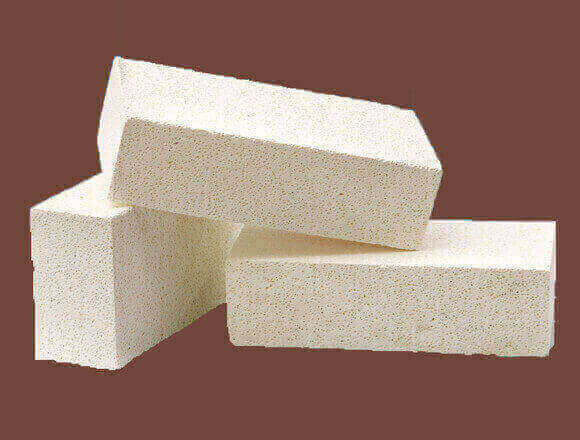
- Custom brick sizes and shapes for seamless kiln lining
- On-site technical support and professional installation services
- Comprehensive after-sales service and maintenance advice
Industry-Related Insights: The Role of Refractory Materials in Modern Kiln Design
The evolution of kiln technology is closely linked to advances in refractory materials. Modern kilns demand linings that combine insulation with mechanical strength. Alumina insulation bricks meet these requirements, allowing for higher firing temperatures, faster heat-up rates, and greater fuel efficiency. The growing focus on sustainability in manufacturing has further propelled the use of high-performance insulation materials, as companies seek to reduce their environmental footprint.
In addition, the increasing adoption of digital monitoring and automation in kiln operations has highlighted the need for reliable refractory linings. Frequent maintenance shutdowns can disrupt production schedules and increase costs. By choosing alumina insulation bricks from CH REFRACTORIES, kiln operators can achieve longer service intervals and greater process stability.
Alumina Insulation Brick vs. Mullite Insulation Brick
When comparing alumina insulation brick with mullite insulation brick, both offer excellent insulation and high-temperature resistance. However, alumina insulation brick typically provides higher refractoriness and better resistance to chemical attack, making it suitable for the most demanding kiln environments. Mullite insulation brick, on the other hand, is often favored for applications where thermal shock resistance is paramount. CH REFRACTORIES supplies both types, helping clients select the optimal solution for their specific needs.
Applications Beyond Kilns: Expanding the Scope of Alumina Insulation Brick
While kilns remain the primary application for alumina insulation bricks, their use is expanding into other high-temperature furnaces, incinerators, and even petrochemical reactors. The adaptability of these bricks to various thermal cycles and atmospheres makes them a versatile choice across industries. As global demand for advanced refractories grows, CH REFRACTORIES continues to innovate, developing bricks that meet the evolving requirements of modern manufacturing.
| Property | Alumina Insulation Brick | Mullite Insulation Brick |
|---|---|---|
| Max. Service Temperature (°C) | 1700-1800 | 1600-1700 |
| Bulk Density (g/cm³) | 0.6-1.5 | 0.6-1.2 |
| Chemical Stability | Excellent | Very Good |
| Thermal Shock Resistance | Good | Excellent |
Conclusion: The Future of Kiln Insulation
The selection of refractory materials is a strategic decision that impacts kiln performance, operational costs, and product quality. With their unmatched combination of insulation, refractoriness, and durability, alumina insulation bricks from CH REFRACTORIES are setting new standards in kiln technology. As industries continue to prioritize efficiency and sustainability, the role of advanced refractory solutions will only grow.
For more information on alumina insulation brick and mullite insulation brick, or to discuss your kiln project requirements, contact the experts at Zhengzhou Caihua Kiln Masonry Installation Co., Ltd (CH REFRACTORIES).
Tags:Refractory for Power Petrochmical Industry,Unshaped Refractory,Insulation Brick