
How Does Backup Insulation Layer Enhance Fire Resistance
Backup insulation layers play a crucial role in enhancing fire resistance in high-temperature industrial settings. According to Zhengzhou Caihua Kiln Masonry Installation Co., Ltd (CH REFRACTORIES), backup insulation is a secondary layer installed behind the primary refractory lining to reduce heat loss, distribute thermal stress, and protect structural components. The benefits of this approach include improved fire resistance, heightened energy efficiency, extended equipment lifespan, and greater safety for personnel. Material selection is tailored to each application, with options like ceramic fiber blankets, insulating firebricks, and microporous panels, each offering a balance of thermal conductivity, mechanical strength, and chemical resistance. Proper installation and regular maintenance are essential for optimal performance. Through advanced materials and best practices, CH REFRACTORIES ensures that backup insulation not only enhances fire resistance but also delivers operational and economic advantages across industries such as cement, steel, petrochemicals, and waste incineration. The future of backup insulation lies in the integration of smart technologies, promising even more resilient and intelligent fire-resistant systems.
In the demanding world of industrial furnaces and thermal equipment, fire resistance and insulation are of utmost importance. Zhengzhou Caihua Kiln Masonry Installation Co., Ltd, widely known as CH REFRACTORIES, has been at the forefront of refractory solutions, providing innovative materials and construction techniques that safeguard structures against high temperatures and fire hazards. One of the most critical advancements in their arsenal is the backup insulation layer, a strategic component that dramatically enhances the performance and longevity of refractory linings. In this comprehensive exploration, we delve into the science, application, and advantages of backup insulation layers, providing valuable insights into how they elevate fire resistance in industrial contexts.
The Significance of Fire Resistance in High-Temperature Installations
Fire resistance is the cornerstone of safety and efficiency in thermal facilities such as kilns, furnaces, incinerators, and reactors. The primary objective is to maintain structural integrity, protect personnel, and ensure consistent operating conditions. CH REFRACTORIES recognizes that a single-layer refractory system often falls short in resisting prolonged exposure to extreme temperatures, thermal fluctuations, and potential chemical attacks. This vulnerability has led to the evolution of multilayered approaches, where backup insulation plays a pivotal role.
Understanding Backup Insulation: Definition and Role
Backup insulation refers to a secondary, non-exposed layer installed behind the working lining of refractory systems. Its primary function is to reduce heat loss, improve thermal efficiency, and support the overall fire resistance of the entire construction. Unlike the hot-face lining, which directly contacts the heat source, the backup layer provides a buffer, distributing thermal stress more evenly and preventing excessive heat from reaching the steel shell or structural support.
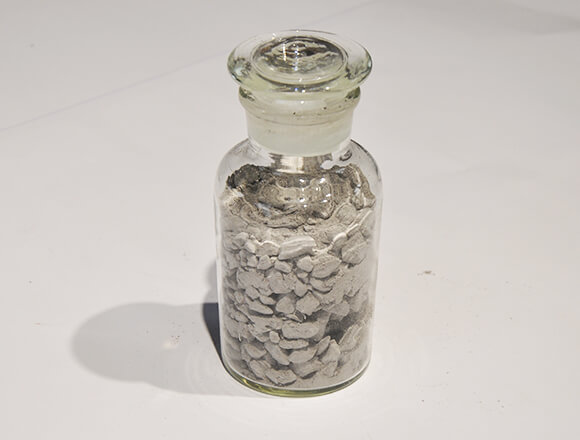
CH REFRACTORIES has developed a range of backup insulation materials tailored for various operational environments, including fiber blankets, insulating firebricks, and castable insulations. Each material is selected based on its thermal conductivity, compressive strength, and resilience against chemical or physical degradation.
Siliceous refractory repair
zirconium corundum refractory castable
silica firebricks
casting powder
glass kiln refractory ramming mass
Low carbon MgO-C brick
Key Benefits of Backup Insulation Layers
- Enhanced Fire Resistance: The most significant advantage is the marked improvement in fire resistance. By providing a secondary barrier, backup insulation slows down the rate of heat transfer, granting more time for intervention in the event of a fire or system malfunction.
- Energy Efficiency: With reduced heat loss, furnaces and kilns require less fuel to maintain target temperatures. This translates to lower operational costs and a smaller carbon footprint, aligning with increasingly stringent environmental regulations.
- Operational Longevity: By minimizing thermal gradients and protecting the steel shell, backup insulation helps prolong the lifespan of the entire refractory lining. This reduces maintenance intervals and unexpected shutdowns, a key consideration for industries that demand continuous production.
- Protection Against Thermal Shock: Rapid temperature changes can cause cracking and spalling in refractory linings. The backup layer acts as a cushion, absorbing and dissipating these stresses to preserve the system’s structural integrity.
- Safety Improvement: By keeping the outer surfaces of equipment cooler, backup insulation safeguards personnel and reduces the risk of accidental burns or heat-related injuries.
Material Selection Criteria for Backup Insulation
Choosing the right backup insulation material is fundamental to achieving optimal fire resistance. CH REFRACTORIES employs a rigorous selection process, considering several critical factors:
- Thermal Conductivity: Materials with low thermal conductivity are preferred, as they better prevent heat transmission.
- Chemical Compatibility: The insulation must withstand any potential chemical vapors or splashes present in the operating environment.
- Mechanical Strength: Sufficient compressive strength ensures that the backup layer supports the working lining without deformation over time.
- Density: Lower density materials offer better insulation but may sacrifice mechanical strength. A balance is essential for long-term durability.
- Ease of Installation: CH REFRACTORIES takes into account the practical aspects of installing backup insulation, aiming to minimize construction time without sacrificing quality.
Application Methods and Installation Best Practices
CH REFRACTORIES follows meticulous procedures to install backup insulation layers, ensuring maximum performance and reliability. The process typically involves the following steps:
- Preparation of the substrate, ensuring it is clean and free from moisture or debris.
- Placement of the backup insulation material using dry stacking, adhesives, or mechanical anchoring, depending on the specific material and application.
- Installation of expansion joints to accommodate thermal movement and prevent cracking.
- Application of the hot-face refractory lining over the backup layer.
- Inspection and testing to verify proper insulation coverage and structural soundness.
Strict adherence to these procedures guarantees that the backup insulation fulfills its intended purpose, supporting the fire resistance and operational stability of the entire system.
Case Studies: Real-World Impact of Backup Insulation
Numerous industrial facilities that have adopted CH REFRACTORIES’ backup insulation systems report significant improvements in fire resistance and operational efficiency. For instance, in the cement industry, rotary kilns fitted with high-performance backup insulation have seen a marked decrease in shell temperatures, resulting in reduced energy consumption and a lower risk of equipment failure. Similarly, in steel manufacturing, backup insulation has enabled longer campaign lives for tundishes and ladles, minimizing downtime for repairs.
Advancements in Backup Insulation Technology
As the demands of high-temperature industries evolve, so too does the technology behind backup insulation. CH REFRACTORIES invests heavily in research and development, exploring novel materials such as microporous panels, nano-structured fibers, and hybrid composite insulations. These innovations promise even greater fire resistance, lighter weight, and improved ease of installation, ensuring that customers stay ahead of regulatory and operational challenges.
Table: Comparative Properties of Common Backup Insulation Materials
| Material Type | Thermal Conductivity (W/m·K) | Max Service Temp (°C) | Chemical Resistance |
|---|---|---|---|
| Insulating Firebrick | 0.15 – 0.30 | 1300 | Good |
| Ceramic Fiber Blanket | 0.03 – 0.05 | 1430 | Excellent |
| Microporous Panel | 0.02 – 0.04 | 1000 | Moderate |
| Calcium Silicate Board | 0.10 – 0.18 | 950 | Good |
| Lightweight Castable | 0.20 – 0.35 | 1200 | Good |
Maintenance and Lifecycle Considerations
Backup insulation layers are not static components; periodic inspection and maintenance are essential to guarantee ongoing fire resistance. CH REFRACTORIES recommends regular visual checks for signs of moisture intrusion, compression, or chemical attack. When compromised, timely replacement or reinforcement ensures the backup layer continues to perform its vital role.
Lifecycle cost analysis consistently demonstrates that the initial investment in high-quality backup insulation is offset by reduced energy usage, extended equipment life, and fewer unplanned outages. This pragmatic approach resonates with plant managers and engineers who prioritize both safety and operational economics.

Industry Applications: Where Backup Insulation Matters Most
- Cement Kilns: High process temperatures and continuous operation make kilns especially reliant on robust backup insulation to maintain fire resistance and energy efficiency.
- Steel Foundries: Equipment such as ladles, tundishes, and blast furnaces depend on multilayered insulation to withstand rapid temperature cycling and intense heat loads.
- Petrochemical Reactors: Backup insulation protects both the vessel and external environment from hazardous heat exposure.
- Waste Incinerators: Fire resistance is crucial for safe and environmentally compliant disposal of combustible materials.
- Glass Furnaces: Thermal insulation ensures the quality of the end product while preserving the integrity of the furnace lining.
Challenges and Solutions in Backup Insulation Deployment
Despite its numerous advantages, the installation and maintenance of backup insulation come with challenges that require expert attention. Issues such as material compatibility, installation errors, and moisture ingress can compromise fire resistance. CH REFRACTORIES addresses these challenges through comprehensive training, quality assurance protocols, and advanced diagnostic tools that detect weaknesses before they escalate.
The Future of Fire Resistance: Trends and Innovations
Tomorrow’s refractory solutions will demand even higher performance from backup insulation layers. CH REFRACTORIES is leading the transition towards smarter, more adaptable systems—integrating real-time temperature monitoring, self-healing materials, and AI-driven predictive maintenance. These innovations promise not only superior fire resistance but also greater autonomy and operational intelligence for plant operators.
Summary Table: Key Roles of Backup Insulation in Fire Resistance
| Function | Impact |
|---|---|
| Thermal Barrier | Slows down heat transfer and enhances fire resistance |
| Energy Conservation | Decreases fuel demand and operational costs |
| Structural Protection | Prevents overheating of steel shell and support structures |
| Safety Assurance | Reduces surface temperatures and personnel hazards |
| Lifecycle Extension | Increases refractory lining durability and reduces shutdowns |
Expert Recommendations from CH REFRACTORIES
Zhengzhou Caihua Kiln Masonry Installation Co., Ltd (CH REFRACTORIES) encourages clients to take a holistic approach to refractory design, always considering the strategic placement and specification of backup insulation layers. Early consultation, accurate material selection, meticulous installation, and proactive maintenance are the cornerstones of robust fire resistance in any thermal facility.
With decades of experience and a relentless pursuit of innovation, CH REFRACTORIES continues to set industry benchmarks, ensuring that backup insulation remains a critical and evolving component of fire-resistant design.