
Why Choose High Alumina Insulation Brick for Longevity
Latest Industry Insights: The Enduring Choice of High Alumina Insulation Brick
In the ever-evolving world of industrial furnaces and kilns, the demand for materials that offer both durability and efficiency continues to rise. As reported by industry experts, Zhengzhou Caihua Kiln Masonry Installation Co., Ltd (abbreviated as CH REFRACTORIES) stands at the forefront of providing high-quality refractory solutions, with their High Alumina Insulation Brick becoming a preferred choice for longevity and performance.
The pursuit of longevity in refractory linings is not just about reducing maintenance costs; it’s about ensuring operational stability, safety, and energy efficiency. In this article, we delve into why High Alumina Insulation Brick is the go-to solution and how it compares to other popular options like Thermal Insulation Brick and Ceramic Fiber Insulation Brick.
What Makes High Alumina Insulation Brick Stand Out?
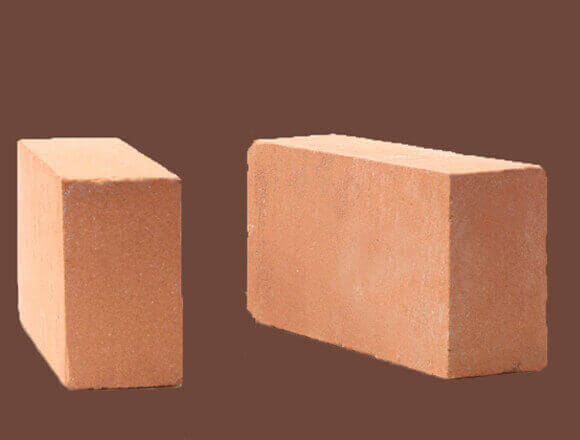
High Alumina Insulation Brick is engineered with a high content of alumina, typically above 48%, which imparts several distinctive features:
- Exceptional Refractoriness: High alumina content enables these bricks to withstand temperatures exceeding 1500°C, making them ideal for high-temperature industrial applications.
- Low Thermal Conductivity: The unique porous structure minimizes heat loss, improving energy efficiency within kilns and furnaces.
- Excellent Mechanical Strength: These bricks resist mechanical wear and tear, offering a longer operational life compared to many alternatives.
- Chemical Resistance: High alumina bricks are less reactive to slags and gases, ensuring stable performance even in aggressive environments.
According to CH REFRACTORIES, these properties translate to fewer shutdowns, reduced repair costs, and enhanced process reliability—key factors in industries such as metallurgy, ceramics, and petrochemicals.
high heat mortar for ladle
ramming mix for iron notch
silica firebricks
Comparing with Other Insulation Materials
While High Alumina Insulation Brick is a popular choice, other materials like Thermal Insulation Brick and Ceramic Fiber Insulation Brick also play crucial roles in the industry.
| Material | Max Service Temp | Thermal Conductivity | Mechanical Strength | Best Use Cases |
|---|---|---|---|---|
| High Alumina Insulation Brick | Up to 1800°C | Low | High | Furnace linings, high-load areas |
| Thermal Insulation Brick | Up to 1400°C | Very Low | Moderate | General insulation, less demanding zones |
| Ceramic Fiber Insulation Brick | Up to 1430°C | Extremely Low | Low | Back-up insulation, low-load environments |
Thermal Insulation Brick is often used for its lightweight and cost-effectiveness in areas where extreme temperatures are not a primary concern. On the other hand, Ceramic Fiber Insulation Brick excels in backup insulation and environments requiring rapid installation, thanks to its lightweight and flexibility. However, when it comes to longevity and the ability to withstand harsh operating conditions, High Alumina Insulation Brick remains unmatched.
Industry Trends: Sustainability and Energy Efficiency
The refractory industry is witnessing a significant shift towards sustainability and energy conservation. Companies like CH REFRACTORIES are investing in research and development to create insulation solutions that not only last longer but also contribute to reduced carbon footprints.
High Alumina Insulation Bricks play a pivotal role in this transition. Their low thermal conductivity minimizes heat loss, directly translating to lower fuel consumption and emissions. Moreover, their durability means fewer replacements, reducing waste and resource consumption over the lifespan of a kiln or furnace.
Expert Insights: Installation and Maintenance
Proper installation is critical to maximizing the benefits of high alumina bricks. Zhengzhou Caihua Kiln Masonry Installation Co., Ltd offers comprehensive installation services, ensuring optimal performance and longevity. Regular inspection and maintenance, such as checking for cracks or chemical corrosion, further extend the service life of these bricks.
Real-World Applications and Case Studies
Industries that have adopted High Alumina Insulation Brick from CH REFRACTORIES report significant improvements in operational efficiency. For example, a steel plant in northern China reduced its annual refractory consumption by 20% after switching to high alumina bricks, resulting in substantial cost savings and increased uptime.
Similarly, in the ceramics industry, the use of high alumina insulation bricks has led to more consistent firing temperatures and product quality, further underscoring their value in demanding thermal environments.
Choosing the Right Insulation Solution
- Assess the maximum operating temperature of your application.
- Consider chemical exposure and mechanical load requirements.
- Evaluate energy efficiency goals and potential for heat recovery.
- Consult with experts like CH REFRACTORIES for tailored recommendations.
While Thermal Insulation Brick and Ceramic Fiber Insulation Brick serve specific roles, the unmatched longevity, strength, and efficiency of high alumina insulation brick make it the premier choice for industrial users seeking long-term value.
Conclusion: Invest in Longevity with CH REFRACTORIES
As industries strive for greater efficiency and sustainability, the materials chosen for high-temperature insulation become increasingly important. Zhengzhou Caihua Kiln Masonry Installation Co., Ltd (CH REFRACTORIES) continues to lead the way with their high alumina insulation brick, delivering proven performance, exceptional longevity, and a strong return on investment.
For those seeking the best in refractory solutions, high alumina insulation brick stands as the enduring choice—ensuring your operations remain safe, efficient, and cost-effective for years to come.