-
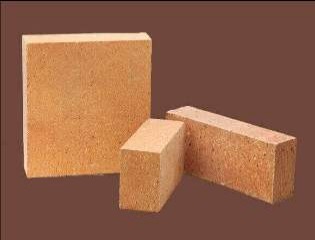
High Alumina Insulation Brick Properties for Advanced Construction
Latest News from Zhengzhou Caihua Kiln Masonry Installation Co., Ltd (CH REFRACTORIES) High alumina insulation bricks are rapidly becoming the preferred choice for advanced construction projects, offering superior thermal performance and durability. Zhengzhou Caihua Kiln Masonry Installation Co., Ltd, known in the industry as CH REFRACTORIES, is at the forefront of providing high-quality refractory solutions tailored for modern building demands. Understanding High Alumina Insulation Brick High alumina insulation bricks are a specialized category of refractory materials, distinguished by their high alumina content—typically above 48%. This composition imparts exceptional thermal resistance, mechanical strength, and low thermal conductivity. As a result, these bricks are widely used in high-temperature industrial applications, including kilns, furnaces, and reactors. The primary function of high alumina insulation bricks is to minimize heat loss while maintaining structural integrity in harsh environments. Their low bulk density and porous structure further enhance their insulation properties, making them an ideal solution for energy-efficient construction. alkali resistant refractory castable magnesia mortar glass kiln refractory ramming mass alkali-resistant firebricks Key Properties of High Alumina Insulation Bricks High Thermal Stability: Withstand temperatures up to 1500°C. Low Thermal Conductivity: Reduces heat transfer, improving energy efficiency. Excellent Mechanical Strength: Maintains integrity under mechanical and thermal stress....
06-05Learn More
-
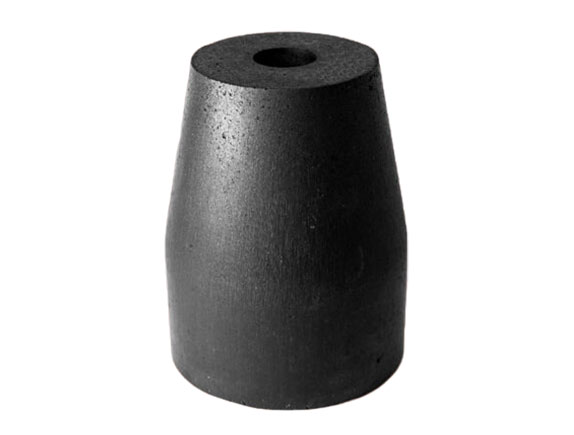
Why Is Ladle Lower Nozzle Material Selection Crucial for Performance
The material selection for ladle lower nozzles is a fundamental determinant of steelmaking efficiency, safety, and quality. Zhengzhou Caihua Kiln Masonry Installation Co., Ltd (CH REFRACTORIES) underscores the importance of choosing refractory materials with optimal thermal, chemical, and mechanical properties to withstand the harsh operating environment of steel ladles. Key factors include resistance to thermal shock, corrosion from slags, abrasion from molten steel flow, and compatibility with slide gate systems. Common materials such as alumina-graphite, zirconia, magnesia-carbon, and spinel-based composites offer unique advantages, with each suited to specific operational demands. Material innovation and rigorous quality assurance protocols at CH REFRACTORIES ensure high performance and extended nozzle life, minimizing costly downtime and steel contamination. Safety and environmental sustainability are prioritized through advanced product design and testing. As steelmaking evolves, CH REFRACTORIES continues to develop new materials and smart technologies for ladle nozzle applications, providing customized solutions and technical support. Strategic material selection not only enhances productivity and cost-effectiveness but also secures safe, reliable steelmaking operations. Understanding Ladle Lower Nozzles Key Challenges Facing Ladle Lower Nozzles Exploring Material Options: CH REFRACTORIES’ Approach Alumina-Graphite Nozzles Zirconia Nozzles Magnesia-Carbon Nozzles The Impact of Material Choice on Performance and Productivity Factors Influencing Material Selection Case...
30-04Learn More
-
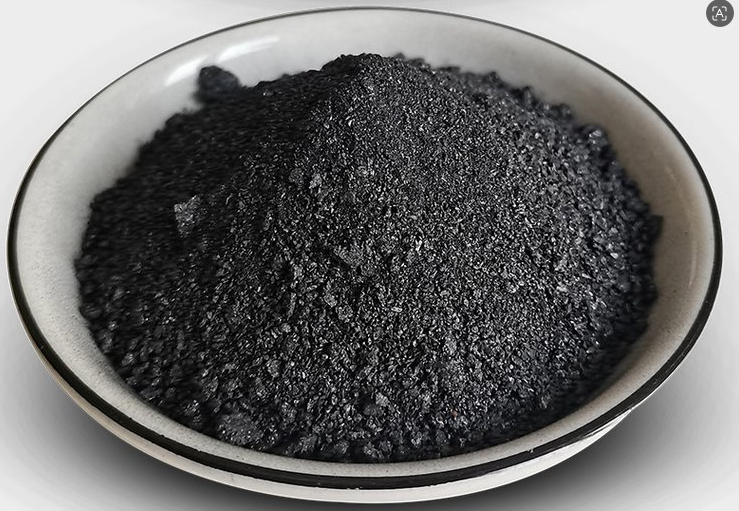
Let’s talk about “refractory materials and natural flake graphite”
Recently, there has been a lot of buzz online about the story of natural flake graphite. Those seeking to increase their online traffic are flocking to it, and we also see many “fabricated and fabricated” short videos. The author has experienced the horror and severity of “internet bullying”. Since this matter is related to refractory materials, it is necessary for me to guide and introduce. Let’s learn about natural flake graphite and its application in the refractory materials industry, and also have a correct understanding of Putei Company. The refractory materials industry in China is very important. Before talking about natural flake graphite, I would like to proudly say that the refractory materials industry is very important! Refractory materials are indispensable basic materials for the development of high-temperature industries such as steel, building materials, non-ferrous metals, machinery, chemicals, and power. It is also a basic supporting material across multiple industries and fields. We can say that without refractory materials, there would be no modern manufacturing industry. Moreover, China’s refractory materials industry holds a prominent position in the global industrial chain. Over the years, China has been the world’s largest producer and consumer of refractory materials, accounting for more than 65%...
29-04Learn More
-
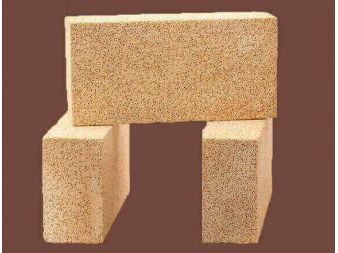
Top High Alumina Brick Supplier Solutions for Industrial Refractory Applications
Welcome to the latest news update from Zhengzhou Caihua Kiln Masonry Installation Co., Ltd (also known as CH REFRACTORIES), a leading name in the field of high alumina brick supplier solutions. As industries worldwide continue to demand advanced refractory materials, CH REFRACTORIES stands out by delivering innovative, durable, and efficient refractory solutions tailored for a wide array of industrial applications. High Alumina Bricks: The Backbone of Modern Industry High alumina bricks are a cornerstone in the refractory industry, offering exceptional resistance to heat, corrosion, and mechanical wear. These bricks, composed primarily of alumina (Al2O3), are widely used in furnaces, kilns, incinerators, and reactors across industries such as steel, cement, glass, and petrochemicals. CH REFRACTORIES, as a trusted high alumina brick supplier, ensures that each product meets the rigorous standards required for high-temperature environments. The superior performance of high alumina bricks is attributed to their high melting point, excellent thermal stability, and impressive load-bearing capacity at elevated temperatures. This makes them an ideal choice for lining critical zones where both chemical and physical stress are prevalent. Why Choose CH REFRACTORIES as Your High Alumina Brick Supplier? CH REFRACTORIES has built a reputation for quality and reliability in the refractory market. With...
29-04Learn More
-
How Does Alumina Enhance Non-ferrous Metal Refractories Performance
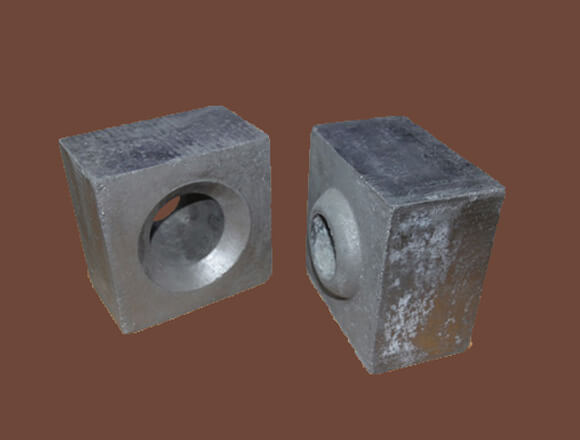
Latest News from Zhengzhou Caihua Kiln Masonry Installation Co., Ltd (CH REFRACTORIES) Introduction: The Role of Alumina in Non-ferrous Metal Refractories As global industries continue to innovate, the demand for advanced refractory materials is at an all-time high—especially in non-ferrous metal processing. Zhengzhou Caihua Kiln Masonry Installation Co., Ltd, known as CH REFRACTORIES, is at the forefront of developing high-performance refractory solutions. In this article, we explore how alumina, a critical component in refractory engineering, significantly enhances the performance of non-ferrous metal refractories. magnesia mortar alumina castable refractory Fired slide gate plates Fire-Brick 1 Why Alumina? Alumina (Al2O3) is renowned for its exceptional thermal stability, mechanical strength, and corrosion resistance. These properties make it an ideal choice for the harsh environments encountered in non-ferrous metal production, such as aluminum, copper, and zinc smelting. At CH REFRACTORIES, our R&D team continuously improves alumina-based solutions to meet evolving industry needs. High melting point (>2000°C) Excellent resistance to chemical attack Outstanding thermal shock resistance Superior mechanical strength These characteristics are crucial for ensuring the longevity and reliability of refractory linings in non-ferrous metal furnaces, where thermal and chemical loads are both intense and variable. The Science Behind Alumina’s Performance Alumina’s crystalline structure provides...
28-04Learn More
-
Hot Repair Mix Solutions for Superior Road Durability
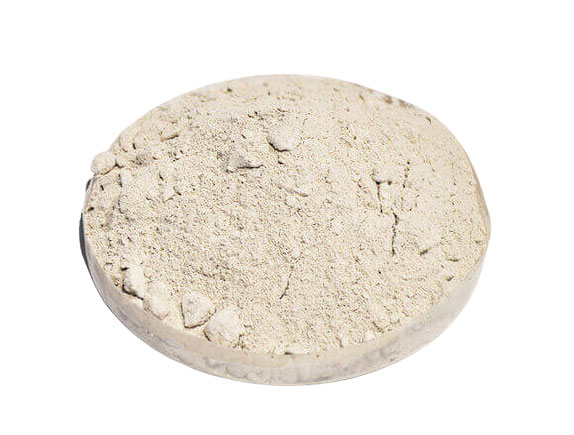
Latest News: Advancing Road Longevity with Hot Repair Mix Technologies In the ever-evolving infrastructure sector, the demand for durable and cost-effective road repair solutions continues to rise. Zhengzhou Caihua Kiln Masonry Installation Co., Ltd, also known as CH REFRACTORIES, is at the forefront of this movement, pioneering hot repair mix solutions that significantly enhance road durability and performance. This article explores the latest innovations, industry trends, and the crucial role of hot repair mixes in modern road maintenance. What Are Hot Repair Mix Solutions? Hot repair mix solutions are specialized materials designed for the rapid repair of damaged road surfaces. Unlike traditional cold patch methods, hot repair mixes are applied at elevated temperatures, allowing for superior bonding with existing pavement and increased resistance to wear and tear. CH REFRACTORIES leverages advanced refractory technology to ensure their hot repair mixes meet the highest industry standards. Key Benefits of Hot Repair Mixes Faster Application: Hot repair mixes set quickly, minimizing traffic disruptions. Enhanced Durability: The thermal bonding process creates a seamless repair, reducing the risk of future cracks and potholes. Weather Resistance: These mixes perform well in a range of climates, from freezing winters to scorching summers. Cost Efficiency: Longer-lasting repairs mean...
27-04Learn More
-
Mullite Insulation Firebrick Performance in Harsh Environments
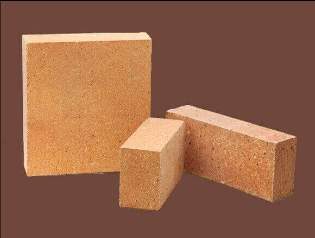
In today’s fast-evolving industrial landscape, the demand for high-performance refractory materials is at an all-time high. As industries push the boundaries of temperature and chemical resistance, choosing the right insulation firebrick becomes crucial. Zhengzhou Caihua Kiln Masonry Installation Co., Ltd, widely known as CH REFRACTORIES, stands at the forefront of refractory innovation, particularly in the development and application of Mullite Insulation Firebrick for harsh environments. Understanding Mullite Insulation Firebrick Mullite Insulation Firebricks are renowned for their exceptional thermal stability, low thermal conductivity, and resistance to chemical attack. Derived from high-purity raw materials, these bricks are engineered to withstand rigorous thermal cycling and aggressive atmospheres found in industries such as steel, ceramics, glass, and petrochemicals. The unique crystalline structure of mullite (3Al2O3·2SiO2) imparts high mechanical strength and outstanding insulating properties. As a result, Mullite Insulation Firebricks play a pivotal role in reducing heat loss and improving energy efficiency in kilns, furnaces, and reactors. Performance in Harsh Environments When it comes to harsh environments—characterized by extreme temperatures, thermal shocks, and corrosive gases—Mullite Insulation Firebricks from CH REFRACTORIES have proven their mettle. Their low iron content ensures minimal contamination, while their lightweight structure offers ease of installation and maintenance. Thermal Shock Resistance: Mullite’s...
24-04Learn More
-
How Does Calcium Aluminate Cement Enhance Refractory Performance
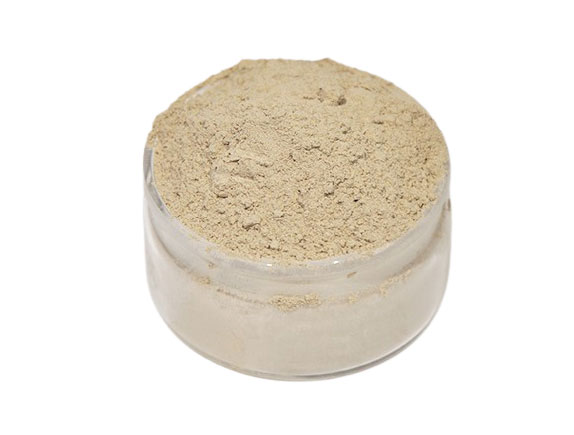
Calcium Aluminate Cement (CAC) has fundamentally transformed the performance and durability of refractory materials used in high-temperature industrial settings. Zhengzhou Caihua Kiln Masonry Installation Co., Ltd (CH REFRACTORIES) leverages CAC’s rapid strength development, superior chemical and thermal resistance, and excellent workability to provide robust refractory linings for industries such as steel, cement, glass, and waste incineration. CAC’s dense microstructure and stable hydration products enhance longevity, reduce porosity, and defend against corrosive slags, abrasion, and thermal shock. CH REFRACTORIES specializes in custom-engineered CAC solutions—ranging from castables and gunning mixes to monolithic linings—tailored to meet specific operational demands. With a focus on quality, adaptability, and innovation, CAC-based refractories from CH REFRACTORIES minimize downtime, lower maintenance costs, and extend service life. This positions CAC as a critical ingredient for ensuring the reliability and efficiency of modern high-temperature industrial operations. Understanding Calcium Aluminate Cement (CAC) Core Properties That Benefit Refractory Applications 1. Rapid Strength Development 2. Superior Chemical Resistance 3. Enhanced Thermal Stability The Role of Calcium Aluminate Cement in Refractory Production Formulation and Versatility Table: CAC-Enhanced Refractory Formulations by CH REFRACTORIES Mechanisms of Performance Enhancement Optimized Hydration Reactions Microstructural Advantages Thermal Shock Resistance Performance in Corrosive and Abrasive Environments Outstanding Slag Resistance Abrasion...
23-04Learn More
-
Why Choose a Durable Nozzle Block for Your Machinery
Latest News from Zhengzhou Caihua Kiln Masonry Installation Co., Ltd (CH REFRACTORIES) In today’s rapidly evolving metallurgical industry, the selection of high-quality components is essential for ensuring the optimal performance and longevity of your machinery. Zhengzhou Caihua Kiln Masonry Installation Co., Ltd, widely recognized as CH REFRACTORIES, continues to lead the way in providing innovative refractory solutions. Among these, the durable nozzle block stands out as a critical component for steel plants and foundries worldwide. Recent advancements in refractory technology have placed increased emphasis on the durability and reliability of nozzle blocks, particularly in applications involving high-temperature and corrosive environments. This article explores the importance of choosing a durable nozzle block, the role of Well Block and Ladle Nozzle products, and industry trends that are shaping the future of refractory solutions. Understanding the Nozzle Block: A Crucial Component Nozzle blocks are integral to the smooth operation of machinery used in steelmaking and other high-temperature processes. These blocks serve as the interface between molten metal and casting equipment, ensuring controlled flow and minimizing contamination. The durability of the nozzle block directly impacts the efficiency, safety, and maintenance intervals of the entire system. CH REFRACTORIES has developed a range of nozzle blocks...
21-04Learn More
-
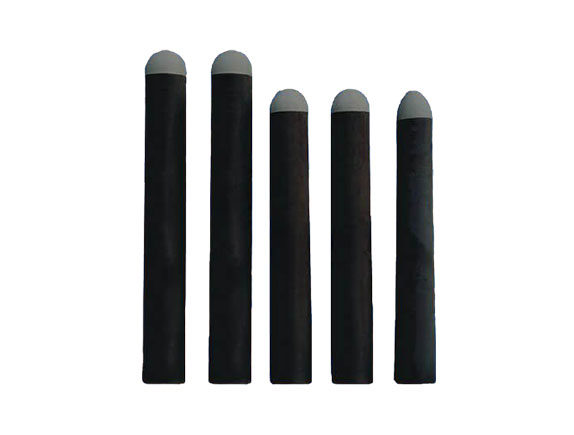
Exploring the Future of Stopper Rod Design for Precision Control
The article explores the next generation of stopper rod design for precision control in the steel and metallurgical industries, with a focus on Zhengzhou Caihua Kiln Masonry Installation Co., Ltd (CH REFRACTORIES). Stopper rods play a vital role in continuous casting, serving as primary valves for controlling molten steel flow, which directly affects product quality and safety. CH REFRACTORIES leads the industry through innovations in materials—using alumina graphite, magnesia carbon, and zirconia composites for enhanced durability—and custom engineering, including finite element analysis for optimal design. Emerging trends include smart sensor integration for real-time data monitoring, advanced coatings for improved lifespan, and increasing automation in rod handling and diagnostics. Precision control is achieved by optimizing rod geometry, incorporating multi-layered structures for thermal management, and enabling digital closed-loop systems. The company addresses challenges such as high-temperature corrosion, mechanical wear, and thermal shock through advanced materials, process engineering, and training. Sustainability efforts focus on eco-friendly sourcing, lifecycle management, and recycling, aligning with global environmental goals. Collaborative innovation with industry stakeholders drives continuous improvement, as demonstrated by real-world case studies showcasing reduced downtime and improved steel quality. The future of stopper rod design is set to be marked by further advances in digitalization, automation,...
20-04Learn More
-
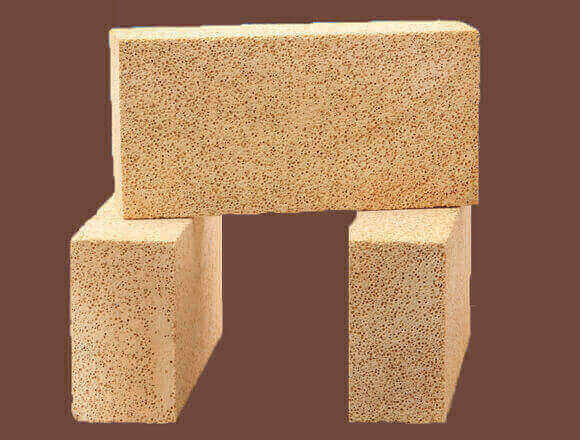
Mullite Insulation Firebrick Benefits for Steel Production
Mullite insulation firebrick, offered by Zhengzhou Caihua Kiln Masonry Installation Co., Ltd (CH REFRACTORIES), presents significant advantages for steel production. Characterized by superior thermal insulation, excellent thermal shock resistance, enhanced mechanical strength, and high chemical stability, these bricks enable steel plants to achieve greater energy efficiency and reduced operational costs. Their lightweight nature allows for easier installation and handling, while their durability ensures longer service life and less frequent maintenance. CH REFRACTORIES provides tailored solutions, quality assurance, and comprehensive support services, establishing itself as a trusted partner for steel manufacturers worldwide. By adopting mullite insulation firebricks, steel producers can maintain high furnace temperatures, reduce fuel consumption, and support environmental and safety goals, all while benefiting from the company’s expertise and commitment to innovation in refractory technology. Understanding Mullite Insulation Firebrick Key Benefits of Mullite Insulation Firebrick in Steel Production 1. Superior Thermal Insulation 2. Excellent Thermal Shock Resistance 3. Enhanced Mechanical Strength 4. Chemical Resistance 5. Lightweight Construction Applications of Mullite Insulation Firebrick in Steel Plants Energy Efficiency and Cost Savings Customization and Quality Assurance at CH REFRACTORIES Installation and Maintenance Services Environmental and Safety Considerations Comparison with Other Refractory Materials Long-Term Performance and Value Why Choose CH REFRACTORIES for...
18-04Learn More
-
How to solve the problem of high alumina mortar drying too quickly at the construction site?
When high-alumina refractory mortar dries too quickly at the construction site, it makes it impossible to form adhesion between the refractory bricks, affecting the construction progress. There are several solutions.
17-04Learn More