-
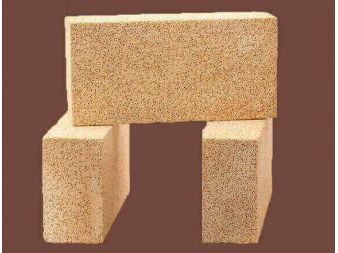
How Does Lightweight Low Thermal Conductivity Insulation Brick Improve Energy Efficiency
Lightweight low thermal conductivity insulation bricks, such as those produced by Zhengzhou Caihua Kiln Masonry Installation Co., Ltd (CH REFRACTORIES), are revolutionizing energy management in high-temperature industrial operations. These bricks are engineered to minimize heat loss through a combination of low density, high porosity, and advanced manufacturing processes, resulting in significantly reduced thermal conductivity. By retaining more heat within furnaces and kilns, industries see tangible reduction in fuel consumption and operational costs. The lightweight nature of these bricks reduces structural load and simplifies installation, while their chemical stability and mechanical strength ensure durability in harsh environments. The adoption of CH REFRACTORIES insulation bricks directly supports sustainability goals by lowering emissions and resource consumption. Industries such as metallurgy, ceramics, glass manufacturing, petrochemicals, and power generation benefit from tailored solutions that improve process control and product quality. CH REFRACTORIES leads with continuous innovation, ensuring its bricks meet international standards and deliver consistent results. With comprehensive installation and maintenance services, the company supports clients from initial design through long-term operation. As energy prices rise and environmental regulations tighten, lightweight low thermal conductivity insulation bricks represent a strategic, cost-effective investment for any industry seeking to enhance energy efficiency and sustainability. Introduction to Lightweight Low...
15-06Learn More
-
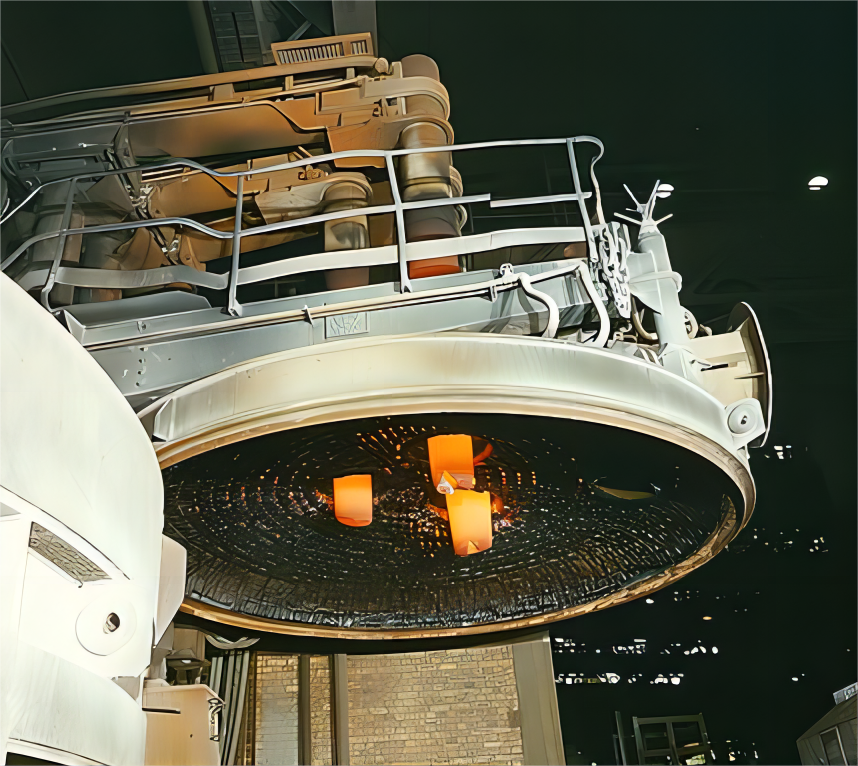
How Does Alumina Enhance Refractory Concrete Performance
Alumina (Al2O3) plays a pivotal role in enhancing the performance of refractory concrete by imparting exceptional refractoriness, mechanical strength, and chemical stability. Zhengzhou Caihua Kiln Masonry Installation Co., Ltd (CH REFRACTORIES) has pioneered the development and application of high-alumina refractory concrete for various industrial sectors, including steel, cement, incineration, and non-ferrous metallurgy. Alumina’s high melting point allows refractory concrete to operate at temperatures above 1500°C, while its inertness ensures resistance to aggressive slags and corrosive chemicals. Mechanical properties such as compressive strength and abrasion resistance are significantly improved, extending the operational life of linings and reducing maintenance costs. Through advanced processing, tailored compositions, and the integration of innovative additives, CH REFRACTORIES delivers solutions that offer superior thermal shock resistance and minimal heat loss. Stringent quality control, expert installation, and after-sales support further ensure the reliability of alumina-enriched refractory linings. As industries demand ever-greater performance and sustainability, CH REFRACTORIES continues to innovate, reinforcing alumina’s status as a cornerstone of modern refractory concrete technology. Understanding Refractory Concrete The Role of Alumina in Refractory Concrete What Is Alumina? Key Properties of Alumina That Enhance Refractory Concrete CH REFRACTORIES’ Approach to Alumina-Enriched Refractory Concrete Material Selection and Sourcing Customized Mix Designs Advanced Processing Techniques...
08-06Learn More
-
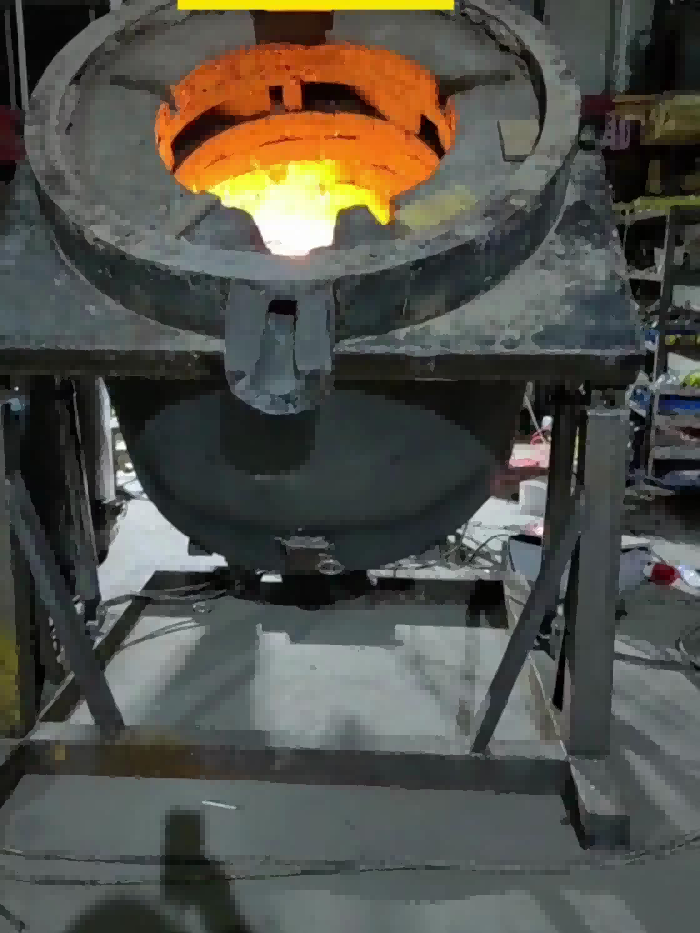
Why does the refractory castable used for the furnace nozzle of a tilting furnace fall off?
A tilting furnace is a movable furnace body with a refractory lining that can operate continuously. The furnace cover and furnace nozzle of this type of furnace are generally made of refractory castable, while other parts are lined with refractory bricks. The refractory castable lining on the furnace cover is 80 mm thick, with V-shaped anchors. After pouring, the castable needs to be baked before it can be put into operation. However, many manufacturers apply the refractory castable directly onto the furnace nozzle without baking and put it into use immediately. This method is widely adopted because it simplifies on-site construction. To be used properly, the refractory castable for the furnace nozzle must meet certain technical requirements. Specifically, its maximum particle size should not exceed 6 mm. The castable for the furnace cover, by contrast, has a maximum particle size of 8 mm. If the furnace-cover castable is applied directly to the nozzle without baking, it is very likely to fall off. So how can this problem be prevented? First, the furnace nozzle must be cleaned thoroughly before applying the castable. If the surface is not properly cleaned, the castable will likely fall off within a few days...
05-06Learn More
-
How Does Low Cement Castable Enhance Refractory Performance
Low cement castable (LCC), as formulated and supplied by Zhengzhou Caihua Kiln Masonry Installation Co., Ltd (CH REFRACTORIES), represents a major advancement in refractory technology. Unlike traditional castables, LCC contains a much lower amount of calcium oxide, resulting in a denser, less porous, and more robust microstructure. This design delivers numerous benefits: enhanced mechanical strength, excellent thermal shock resistance, reduced permeability, improved slag resistance, and superior insulation properties. Such advantages translate into longer service life, lower maintenance, and increased energy efficiency for high-temperature industries like steel, cement, non-ferrous metals, and petrochemicals. CH REFRACTORIES’ commitment to innovation is reflected in its advanced manufacturing processes, strict quality assurance, and customized technical support. These ensure consistent, high-performance products tailored for diverse industrial needs. Comprehensive installation and after-sales services further guarantee that customers realize the full benefits of LCC solutions. As industries face rising demands for efficiency and sustainability, CH REFRACTORIES’ low cement castables stand out as a reliable choice for enhancing refractory performance, operational stability, and cost-effectiveness. Introduction to Low Cement Castable The Composition and Microstructure of Low Cement Castable Key Advantages of Low Cement Castable 1. Enhanced Mechanical Strength 2. Superior Thermal Shock Resistance 3. Reduced Permeability and Slag Resistance 4....
01-06Learn More
-
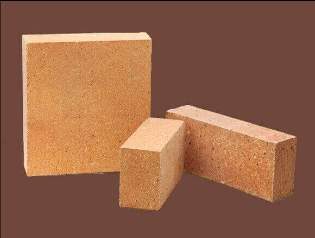
High Temperature Fire Brick Durability for Long-Lasting Industrial Solutions
In the ever-evolving landscape of industrial manufacturing, the demand for reliable, long-lasting materials is paramount. Zhengzhou Caihua Kiln Masonry Installation Co., Ltd, widely recognized as CH REFRACTORIES, stands at the forefront of providing high temperature fire bricks that deliver outstanding durability and efficiency for a variety of industrial applications. This article delves into the critical aspects of fire brick durability, the latest innovations in the field, and their impact on the industrial sector. Unmatched Durability of High Temperature Fire Bricks High temperature fire bricks are engineered to withstand extreme thermal environments, making them indispensable in industries such as metallurgy, glass production, cement manufacturing, and power generation. The primary function of these bricks is to provide thermal insulation and structural integrity in kilns, furnaces, incinerators, and reactors. At CH REFRACTORIES, the focus is on producing fire bricks that not only resist high temperatures but also maintain their mechanical strength and chemical stability over prolonged periods. The durability of these bricks is a direct result of advanced raw material selection, precise manufacturing processes, and rigorous quality control standards. mag carbon brick silica firebricks products108 phosphate refractory brick Key Features of CH REFRACTORIES’ Fire Bricks Exceptional resistance to thermal shock and cycling High...
25-05Learn More
-
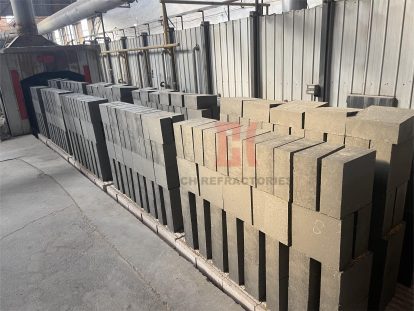
Which is more suitable for the lining of lime rotary kilns, silicon-magnesia bricks or special phosphate bricks?
For the lining bricks of lime rotary kilns, when it comes to silicon-magnesia bricks and special phosphate bricks, special phosphate bricks are more suitable. Because the high-temperature zone of the lime kiln lining is an oxidizing atmosphere, and the lining atmosphere is alkaline. One reason is that silicon-magnesia bricks are fired in a reducing atmosphere and are not very suitable for use in an oxidizing atmosphere. The second one is the silicon carbide added in the process ratio of silicon-magnesia bricks. Silicon carbide has high strength and wear resistance, but its drawback is that it is somewhat brittle. When used in the inner lining of lime rotary kilns, it may cause head explosion (that is, bricks fall off the working surface). In addition, due to its high thermal conductivity, the outer cylinder of the lime kiln is hot to the touch. Generally, manufacturers that use silicon-magnesia bricks usually adopt silicon-magnesia composite bricks. Silicon-magnesia composite bricks are heavy on the working surface and light on the large surface. During the firing process, if different materials are fired at the same temperature, dimensional deviations may occur. Under the same temperature, different materials At low temperatures, the heavy part of silicon carbide does...
20-05Learn More
-
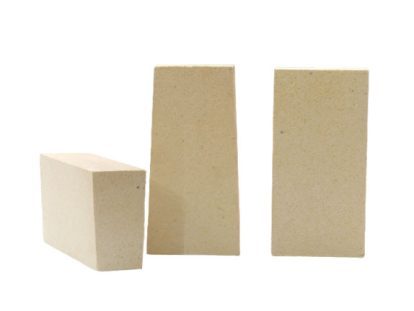
Refractory Anchor Brick Maintenance Tips for Longevity
Refractory anchor bricks are vital for the structural stability and efficiency of high-temperature furnaces. Zhengzhou Caihua Kiln Masonry Installation Co., Ltd (CH REFRACTORIES) emphasizes that proper maintenance is key to maximizing anchor brick longevity. The main causes of anchor brick failure include thermal shock, chemical attack, mechanical stress, and wear, which can be mitigated through a combination of routine inspections, correct installation, and the use of compatible materials. Gradual heating and cooling, addressing hotspots, and timely repair or replacement further ensure system integrity. Advanced maintenance measures such as predictive monitoring, protective coatings, and custom design optimization provide an extra line of defense against premature failure. Staff training, rigorous documentation, and consideration of environmental factors are also crucial. By following these proven maintenance practices and leveraging the expertise of CH REFRACTORIES, industrial operators can minimize downtime, reduce costs, and extend the service life of their refractory anchor bricks. Understanding Refractory Anchor Bricks Common Causes of Anchor Brick Failure Best Practices for Refractory Anchor Brick Maintenance 1. Regular Inspection and Monitoring 2. Proper Installation Techniques 3. Use of Compatible Materials 4. Temperature Control and Gradual Heating/Cooling 5. Addressing Hotspots and Localized Overheating 6. Timely Repairs and Replacement 7. Cleaning and Preventing...
18-05Learn More
-
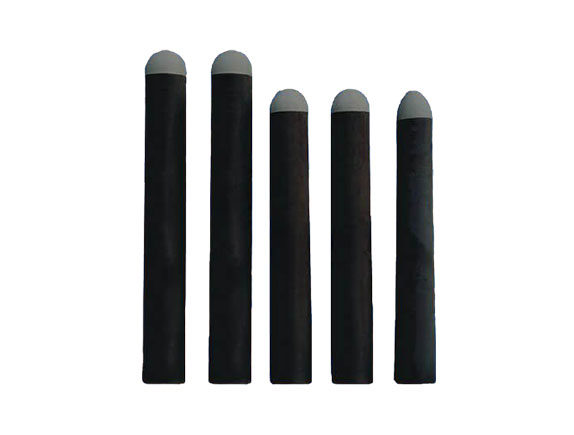
How Can Insulation Enhance Refractory Functional Components Performance
Insulation is a game-changer in the world of refractory functional components, pivotal for industries reliant on high-temperature operations. Zhengzhou Caihua Kiln Masonry Installation Co., Ltd (CH REFRACTORIES) specializes in leveraging insulation technologies to maximize the performance, durability, and efficiency of refractory systems. By integrating advanced insulation materials—such as ceramic fibers, insulating bricks, and microporous panels—CH REFRACTORIES helps clients minimize heat loss, extend component lifespan, enhance process control, and boost workplace safety. The article examines insulation’s impact on key components like furnace linings, burner blocks, and ladle linings, showing how tailored solutions address thermal, chemical, and mechanical challenges. With a focus on engineering design, material compatibility, and rigorous testing, CH REFRACTORIES ensures insulation works synergistically with refractory systems. The company’s commitment extends beyond technical excellence to sustainability, offering eco-friendly products that lower energy consumption and carbon emissions. By combining technical innovation, global experience, and collaborative client partnerships, CH REFRACTORIES stands as an industry leader in refractory insulation, driving performance and reliability in steel, cement, glass, petrochemical, and power sectors worldwide. The Fundamental Role of Insulation in Refractory Systems Key Functional Components Impacted by Insulation Insulation Technologies and Materials: Innovations from CH REFRACTORIES Design Considerations: Integrating Insulation for Performance Enhancement Thermal Modeling...
18-05Learn More
-
Is Eco-Friendly Insulation Brick Suitable for Modern Buildings
Latest News from Zhengzhou Caihua Kiln Masonry Installation Co., Ltd (CH REFRACTORIES) The construction industry is rapidly evolving, emphasizing sustainability and energy efficiency more than ever before. As architects and builders seek innovative solutions for modern buildings, eco-friendly insulation brick has emerged as a promising material. Zhengzhou Caihua Kiln Masonry Installation Co., Ltd, commonly known as CH REFRACTORIES, is at the forefront of this development, offering advanced insulation solutions tailored for contemporary architectural needs. What Are Eco-Friendly Insulation Bricks? Eco-friendly insulation bricks are engineered to provide superior thermal performance while minimizing environmental impact. These bricks are manufactured using sustainable raw materials, often incorporating recycled content and low-energy production processes. The result is a product that not only insulates buildings effectively but also reduces the carbon footprint associated with construction. One of the primary advantages of eco-friendly insulation brick is its ability to maintain indoor temperatures, reducing the reliance on heating and cooling systems. This leads to significant energy savings and a reduction in greenhouse gas emissions, aligning with global efforts to combat climate change. CH REFRACTORIES: Leading the Way in Sustainable Building Materials CH REFRACTORIES has invested heavily in research and development to create insulation bricks that meet the demands...
14-05Learn More
-
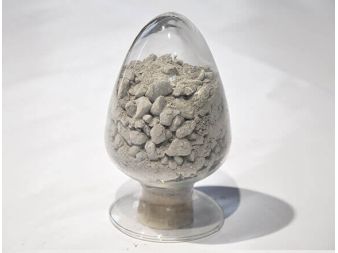
How Can an Unshaped Refractory Manufacturer Improve Your Gunning Mix Performance
In today’s rapidly evolving industrial landscape, the performance of refractory materials is more critical than ever. Zhengzhou Caihua Kiln Masonry Installation Co., Ltd (hereafter referred to as CH REFRACTORIES) stands at the forefront of innovation, offering unshaped refractory solutions that significantly enhance gunning mix performance. This article explores how a dedicated unshaped refractory manufacturer like CH REFRACTORIES can optimize your operations and what industry trends are shaping the future of gunning mixes. Understanding Gunning Mixes and Their Importance Gunning mixes are a type of unshaped refractory material applied pneumatically to repair or construct high-temperature industrial linings. Their unique application method allows for rapid installation and repair, minimizing downtime in industries such as steel, cement, and power generation. The performance of these mixes directly affects the longevity and efficiency of kilns, furnaces, and other thermal equipment. Key Benefits of High-Performance Gunning Mixes Quick and efficient installation Reduced downtime and maintenance costs Improved thermal insulation and energy efficiency Enhanced adherence to existing linings However, not all gunning mixes are created equal. The choice of manufacturer and the quality of the mix can make a significant difference in operational results. How CH REFRACTORIES Enhances Gunning Mix Performance As a leading unshaped refractory manufacturer,...
11-05Learn More
-
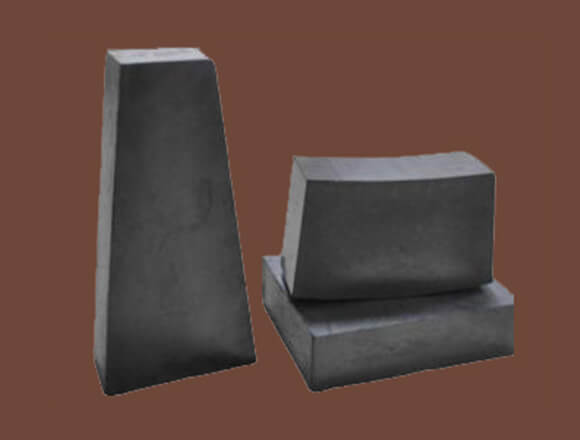
What kind of refractory material is suitable for the lining of the rich manganese slag molten iron ladle?
The rich manganese slag molten iron ladle forms in an acidic environment, and the slag as a whole is subject to weak acid and neutral erosion, while manganese is alkaline and will accelerate chemical penetration erosion. The composition of the rich manganese slag molten iron ladle is basically a ratio of 2:1 of rich manganese slag and molten iron. Under this complex erosion atmosphere, choosing the material for the ladle lining is extremely crucial. Generally, refractory bricks are used as the lining more frequently. When using refractory bricks as the lining, it is necessary to consider the erosion atmosphere. Clay bricks and high alumina bricks have weak anti-erosion capabilities and are not recommended. The slag line area has a high ratio of slag to iron, and the slag volume accounts for a large proportion. The slag line area is a severely damaged area. If using refractory bricks as the lining, it is best to choose aluminum-carbon silicon carbon bricks. The characteristics of aluminum-carbon silicon carbon bricks are stability and suitability for frequent thermal cycling use. The best lining material for the ladle is clay bricks or grade three high alumina bricks as the permanent layer, water glass combined...
09-05Learn More
-
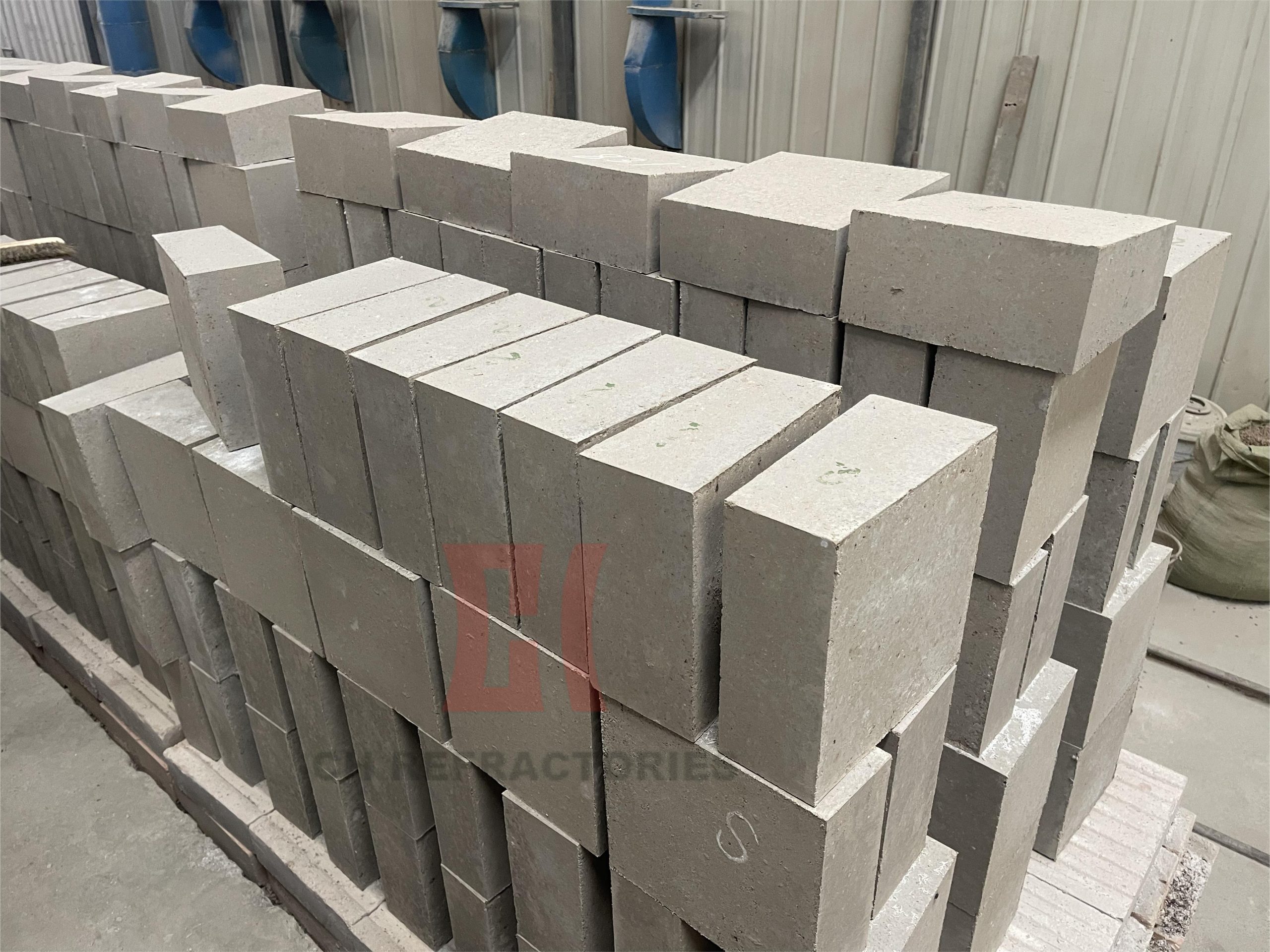
What Makes Corundum Brick Ideal for Glass Melting Furnaces
Corundum bricks from Zhengzhou Caihua Kiln Masonry Installation Co., Ltd (CH REFRACTORIES) are highly valued in glass melting furnace applications due to their exceptional thermal stability, chemical resistance, and mechanical strength. Manufactured with ultra-high purity alumina, these bricks resist corrosion from aggressive glass melts and fluxes, ensuring minimal risk of glass contamination and maintaining superior glass quality. Their dense structure gives them outstanding resistance to thermal shock and mechanical wear, extending furnace lining life and reducing maintenance costs. Compared to traditional silica or AZS bricks, CH REFRACTORIES’ corundum bricks offer enhanced durability, higher service temperatures, and lower long-term operational costs. The company provides customized engineering solutions and technical support, optimizing brick performance for specific furnace conditions. By improving energy efficiency and extending campaign lengths, corundum bricks also contribute to more sustainable glass production. Real-world case studies demonstrate quantifiable improvements in furnace durability, product quality, and energy consumption, reinforcing corundum brick’s status as the ideal choice for demanding glass-melting environments. Introduction to Corundum Brick and Glass Melting Furnaces Composition and Properties of Corundum Brick High-Purity Alumina Content Manufacturing Process Key Advantages of Corundum Brick in Glass Furnaces Exceptional Thermal Stability Chemical Resistance Low Pollution and Glass Quality Assurance Mechanical...
07-05Learn More