-
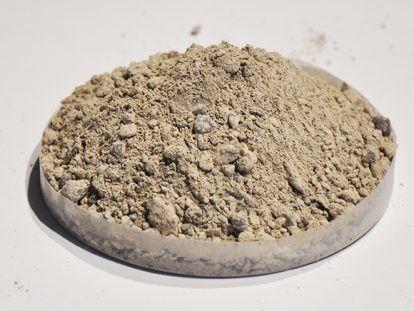
What kind of castable is used to resist erosion and slag
What kind of castable is used to resist erosion and slag
14-10Learn More
-
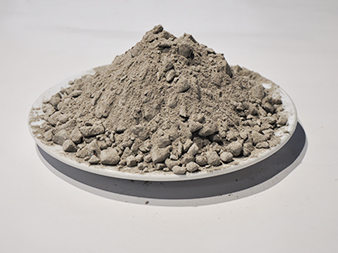
Effect of sodium oxide(Na2O) on properties of refractory castables
In the traditional production of refractory castable, many people pay little attention to the content of sodium oxide in alumina powder, but the content of sodium oxide in alumina has a great influence on the performance of refractory castable. The final performance of the product is for the site construction effect and use effect. Because the high content of sodium oxide will increase the amount of low melt, it will have a great influence on the dispersion of mud, and on the construction performance and setting time of refractory castable. Because the dissolution of sodium oxide into the solution will shorten the hydration time of pure aluminum calcium cement and alumina slurry, the higher the content of sodium oxide in alumina, the greater the influence of powder surface area. At the same time, the formation of hydrate, the setting time and the properties and microstructure of castable body after solidification are affected to a certain extent. The activity, integrity and surface characteristics of alumina powder will have a certain influence on the construction performance of castable, cause the construction of condensation too fast or not. The particle size distribution of alumina powder also has great influence on the...
30-05Learn More
-
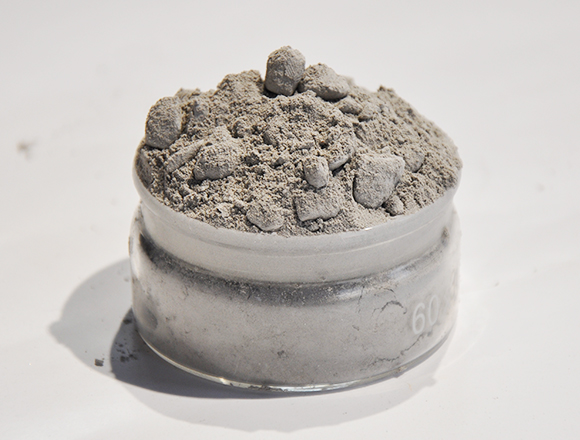
Types and use of dry ramming materials
Types and use of dry ramming materials
17-06Learn More
-
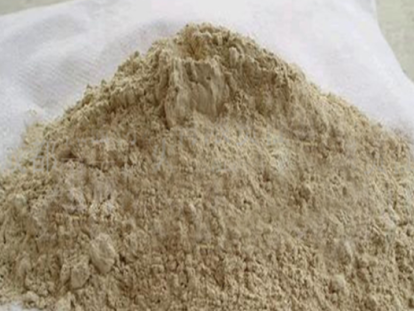
How to judge the quality of refractory mortar
How to judge the quality of refractory mortar
09-05Learn More
-
The difference between silicon brick and semi-silicon brick
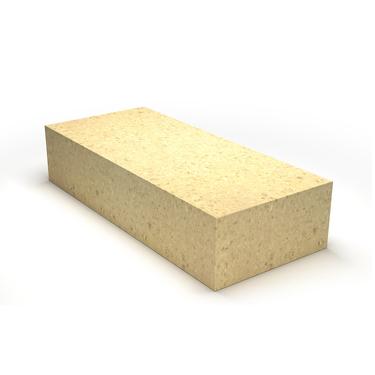
Silica brick is refractory product with SiO2 content above 92%. The higher the content of SiO2 in silica raw materials, the higher the refractoriness of products, the ability of acid erosion resistance is very strong. Semi-silica brick is made of pyrophyllite as the main raw material, and its refractoriness is more than 1700℃. Good thermal shock resistance, can withstand the impact of steel slag and metal, and has a strong creep resistance. Silica brick belongs to a variety of acid refractory materials, has a strong resistance to acid slag or acid melt erosion ability, alkali erosion resistance is very poor, and the expansion coefficient of silica brick is very large. The volume of silica brick is stable between 300℃ and melting point. When heated to 1450℃, volume expansion of 1.5% ~ 2.2% will occur. The biggest disadvantage of silicon brick is poor thermal shock resistance and low refractoriness (generally 1690 ~ 1730℃), so its application scope is limited. A semi-silica brick made of waxy stone. There will be micro expansibility. Because of the mineral composition of wax stone, the lattice size of pyrophyllite in its crystal structure changes little when heated, so it shrinks when roasted, and sometimes expands slightly....
15-04Learn More
-
What kind of castable is used for gasifier
What kind of castable is used for gasifier
08-04Learn More
-
Advantages of Alumina Hollow Ball Brick
Advantages of Alumina Hollow Ball Brick
01-03Learn More
-
Cautions of using electrofused zirconium corundum brick(AZS Bricks)
Cautions of using electrofused zirconium corundum brick(AZS Bricks)
26-02Learn More
-
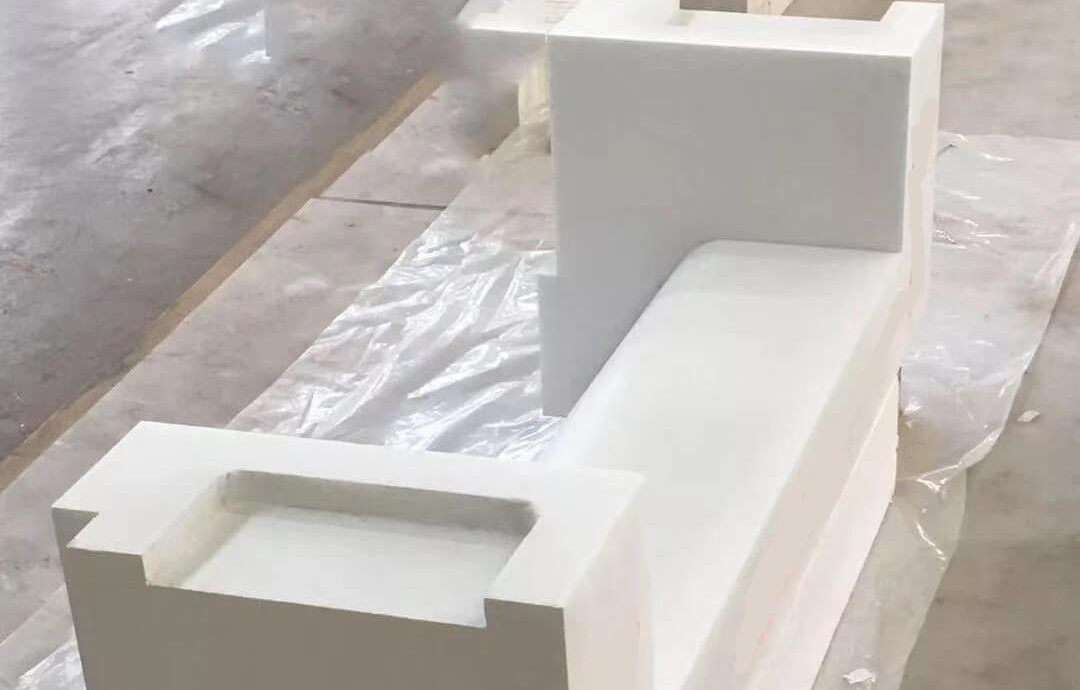
Know about Electrofused zirconium corundum brick
Know about Electrofused zirconium corundum brick
17-01Learn More
-
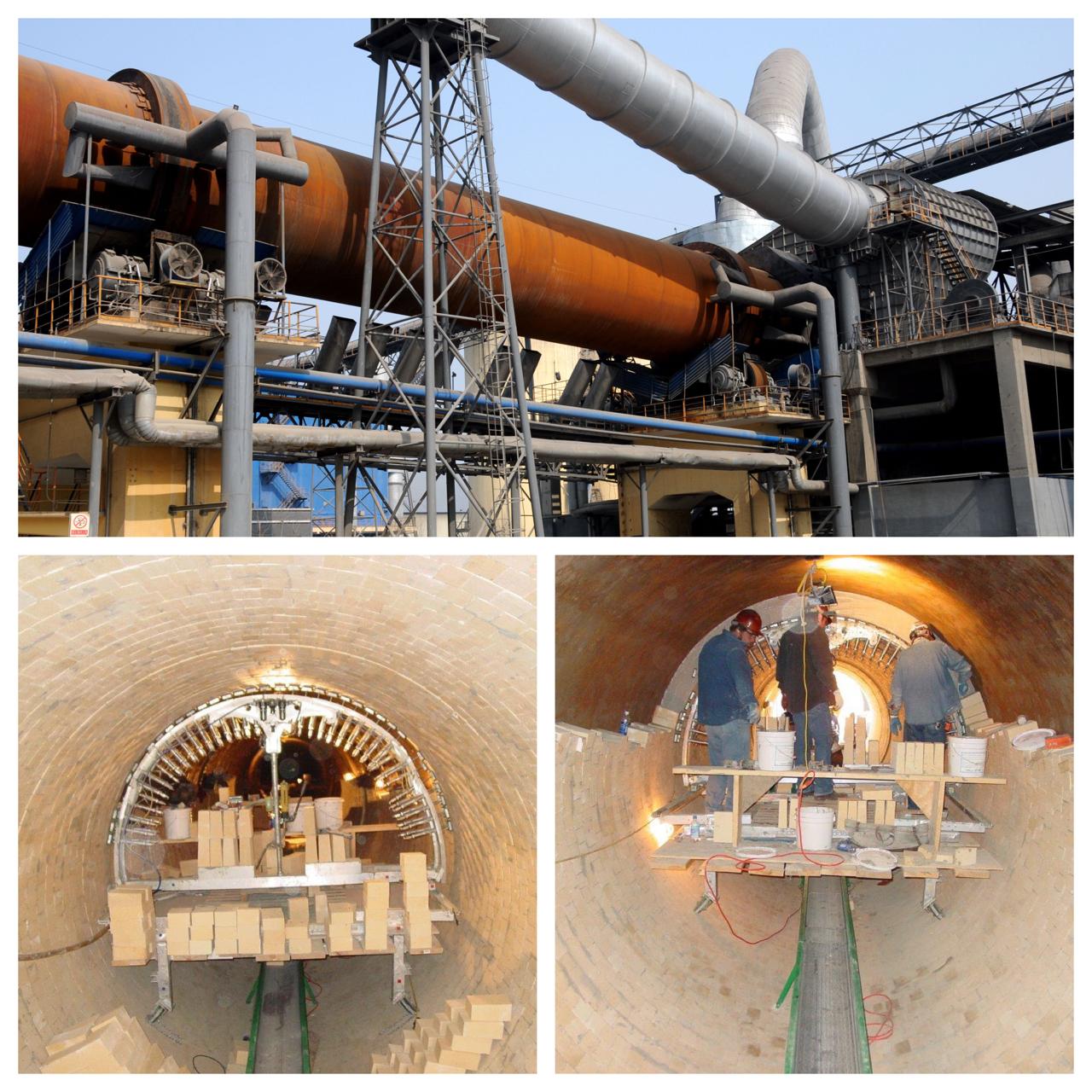
Selection of refractory materials for cement rotary kiln lining
At the back of the cement rotary kiln, the length of the kiln mouth is about 1 meter, wear-resistant castable can be selected, but it must have a certain degree of alkaline resistance. The castable area from 10D to the rear kiln entrance can use anti-spalling high-alumina bricks; The 7D-10D section of the rotary kiln can use silmo brick or Silmo red brick; Section 5D-7D is a transitional zone, which can use magnesia-aluminum spinel brick; The 6D-7D section can also use Silmo brick or Silmo red brick;
19-12Learn More
-
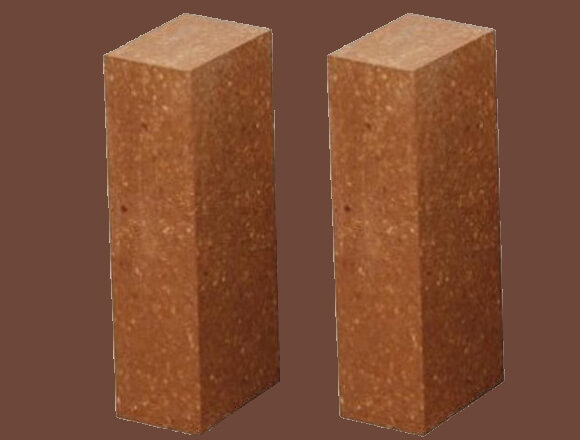
What Makes High Alumina Brick China Ideal for Industrial Furnaces
High alumina brick China, particularly from Zhengzhou Caihua Kiln Masonry Installation Co., Ltd (CH REFRACTORIES), stands out as the preferred choice for industrial furnace linings across various industries. These bricks are formulated with high-purity alumina, offering superior refractoriness (up to 1790°C), excellent mechanical strength, and outstanding resistance to chemical corrosion and thermal shock. The precise manufacturing processes at CH REFRACTORIES ensure each brick delivers consistent performance, minimal heat loss, and long service life, making them cost-effective and energy-efficient solutions. Industries such as metallurgy, cement, glass, ceramics, petrochemicals, and power generation benefit from these bricks’ ability to withstand harsh conditions, reduce maintenance, and enhance furnace efficiency. CH REFRACTORIES further distinguishes itself by providing expert customization, installation, and maintenance support. The company’s focus on quality assurance and environmental sustainability ensures that clients receive products that support both operational excellence and regulatory compliance. In summary, the combination of premium materials, innovative manufacturing, and comprehensive service makes high alumina brick China from CH REFRACTORIES a wise and reliable investment for any industrial furnace application. The Composition and Structure of High Alumina Brick China Key Features of High Alumina Bricks from CH REFRACTORIES Advantages of High Alumina Bricks for Industrial Furnaces Enhanced Furnace Efficiency Long...
14-09Learn More
-
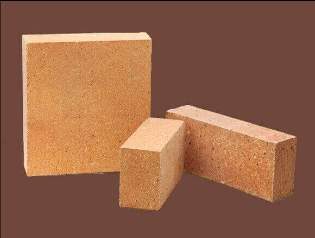
Lightweight Insulation Brick Fire Resistance Benefits Explained
Lightweight insulation bricks, as developed and supplied by Zhengzhou Caihua Kiln Masonry Installation Co., Ltd (CH REFRACTORIES), are essential materials for high-temperature industrial applications due to their outstanding fire resistance and insulation properties. These bricks are manufactured using high-purity raw materials, resulting in a porous and lightweight structure that offers superior thermal stability, energy efficiency, and safety. Their fire resistance allows them to maintain structural integrity and insulation performance even at temperatures exceeding 1,200°C, making them ideal for kilns, furnaces, and reactors across various industries. CH REFRACTORIES ensures product quality through rigorous testing and adherence to international standards. The bricks’ ease of installation and long service life further enhance their appeal, while ongoing innovation at CH REFRACTORIES continually improves their performance. Compared to traditional dense firebricks, lightweight insulation bricks are more energy-efficient and cost-effective, providing a versatile solution for demanding fire-resistant construction needs. Introduction to Lightweight Insulation Bricks Understanding Lightweight Insulation Bricks The Science of Fire Resistance in Insulation Bricks Key Benefits of Fire Resistance in Lightweight Insulation Bricks Applications of Lightweight Insulation Bricks in Fire-Resistant Construction Case Studies: CH REFRACTORIES Lightweight Insulation Bricks in Action Construction and Installation Advantages Fire Resistance Testing and Quality Assurance Material Composition and Fire...
07-09Learn More